
 by
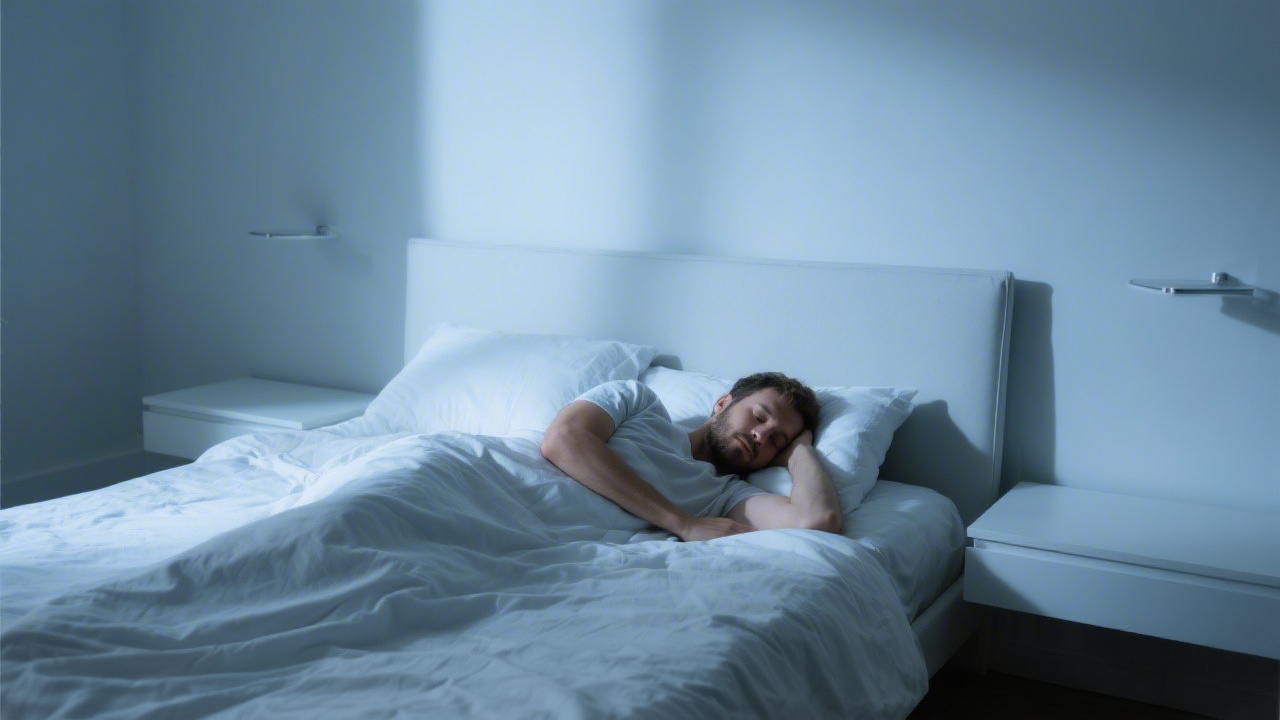
by Men and women have meaningfully different sleep profiles. Men have higher rates of the most serious sleep disorders, are less likely to recognize sleep problems, and are less likely to seek treatment. The consequences compound over decades.
Recommended Mattress
Saatva Classic Mattress
Award-winning luxury innerspring with free white-glove delivery. 365-night home trial.
The Gender Sleep Gap
Women self-report more insomnia symptoms, but objective sleep measurements tell a different story. Polysomnography studies — where sleep is measured by brain activity rather than subjective report — consistently show that men get less deep sleep (slow-wave sleep) than women from the third decade of life onward. Men's sleep efficiency, the percentage of time in bed actually spent asleep, is lower on average. Men's total sleep time is shorter on average across most age groups above 30.
The paradox: women report more sleep problems, but men measurably sleep worse. This gap likely reflects lower symptom awareness and reporting in men rather than subjective exaggeration in women.
Sleep Apnea: The Most Underdiagnosed Male Health Problem
Obstructive sleep apnea affects approximately 25% of adult men compared to 10% of women in equivalent age ranges. Male anatomy — larger neck circumference, different fat distribution patterns in the upper airway, and different airway geometry — creates higher structural risk. Testosterone promotes the centralized fat deposition that exacerbates airway obstruction.
Despite higher prevalence, men are less likely to be diagnosed because they are less likely to report fatigue to a physician, and their partners may habituate to snoring rather than noting it as a medical concern. Untreated OSA is associated with significantly elevated cardiovascular risk, impaired glucose metabolism, erectile dysfunction, and cognitive decline.
Men who snore loudly, are observed to stop breathing during sleep, wake with headaches, or experience unexplained daytime exhaustion should seek a sleep study regardless of whether they feel they sleep badly.
Testosterone, Cortisol, and Sleep Architecture
Approximately 70% of daily testosterone production occurs during sleep, specifically during REM sleep and slow-wave sleep. Sleep deprivation significantly reduces testosterone levels. A University of Chicago study found that one week of sleeping five hours per night reduced testosterone levels by 10 to 15% — equivalent to aging 10 to 15 years hormonally.
This relationship is bidirectional: low testosterone further reduces sleep quality, creating a deteriorating cycle. Men experiencing testosterone decline in their forties and fifties often experience parallel worsening of sleep quality as both a symptom and a driver of the hormonal change.
Cortisol follows a regular 24-hour rhythm that is disrupted by poor sleep. Elevated evening cortisol both delays sleep onset and reduces slow-wave sleep depth, which is why work-related stress has a disproportionate impact on sleep architecture even when the total hours in bed are preserved.
Work Stress and Male Sleep Patterns
Men in high-pressure careers show a characteristic pre-sleep arousal pattern: lying awake ruminating on work problems, feeling physically tired but mentally activated. This is a learned behavioral pattern as much as a physiological one — the bedroom becomes associated with work-related anxiety rather than with rest.
Research from the American Institute of Stress indicates that work-related sleep problems peak for men during ages 35 to 50, coinciding with peak career pressure and family obligation. This is also the window where untreated sleep problems create the most significant long-term health consequences.
Behavioral Patterns That Affect Male Sleep
Evening alcohol is significantly more common in men and disrupts sleep architecture in ways many people do not understand. Alcohol accelerates sleep onset but suppresses REM sleep in the first half of the night. As alcohol metabolizes in the second half of the night, there is a REM rebound and significant sleep fragmentation. The net effect is shorter, lighter sleep even when total hours are preserved.
Screen exposure before sleep is more prevalent in men, particularly gaming and sports content, which combines blue-light exposure with cognitive arousal.
Recommended Mattress
Saatva Classic Mattress
Award-winning luxury innerspring with free white-glove delivery. 365-night home trial.
Evidence-Based Solutions for Men
Sleep apnea screening: If you snore regularly or wake feeling unrefreshed, request a sleep study. Home sleep tests are now covered by most insurance and provide accurate diagnosis for OSA. CPAP therapy, the standard treatment, typically produces significant improvement in energy, mood, and cardiovascular markers within two to four weeks.
Alcohol timing: Avoid alcohol within three hours of sleep. The disruption to sleep architecture persists for six to eight hours after consumption.
Pre-sleep cognitive wind-down: Writing tomorrow's task list before bed reduces pre-sleep cognitive arousal significantly in controlled trials — the act of externalizing pending tasks reduces the brain's need to rehearse them.
Testosterone and sleep interaction: Men experiencing both declining sleep quality and low energy after 40 should discuss both issues with a physician; treating one often improves the other.
Frequently Asked Questions
Disclosure: This article contains affiliate links. If you purchase through our links, we may earn a commission at no additional cost to you.