

 by
by Quick answer: The Mlily Power-Cool is a cooling-focused hybrid that makes sense for shoppers who specifically want ventilated foam, a phase-change cover, and zoned coils in one build. Its weaker spot is value. Per Mlily’s product information, the mattress has a 30-night trial and a 10-year warranty, which leaves less room to assess long-term fit than many online alternatives.
If heat buildup is your main complaint and you can try this model locally before buying, the Power-Cool has a coherent construction story. If you need a longer adjustment period, stronger edge confidence, or a simpler value proposition, I’d compare it carefully before committing.
- Best for: hot sleepers who prefer a responsive hybrid feel.
- Skip if: you want a lengthy home trial or a traditional innerspring surface.
- Construction takeaway: airflow comes from the coil core and ventilated foams, while the cover supplies the initial cool-touch effect.
The Power-Cool is sold as a mattress built around temperature control, not simply a memory-foam bed with a cooling label attached. That distinction matters. The ventilated foam, charcoal-infused memory foam, and pocketed coil unit each play a separate role in managing heat and pressure.
For shoppers comparing the wider lineup, my Mlily mattress reviews explain where the Power-Cool sits among the brand’s other designs.
What is the Mlily Power-Cool?
The Mlily Power-Cool Medium Sleep System is a hybrid mattress designed around a cooling-first brief. The cover is intended to feel cool at first contact, the comfort layers use airflow channels and charcoal-infused foam, and the support unit uses individually wrapped coils rather than a solid foam core.
That hybrid layout is the important part. A coil unit creates open space through the mattress, allowing heat to disperse more readily than it can in a dense all-foam block. The upper foams still provide contouring, but they do not have to carry the entire support load.
According to Mlily’s material information, the foam layers carry CertiPUR-US certification. That certification addresses foam-content standards, including certain chemicals and emissions, but it is not a direct measure of comfort, cooling, or projected lifespan.
The Nut’s construction read: this is a real hybrid cooling design. The question is not whether it has cooling components, it is whether the shorter policy coverage makes sense for your purchase situation.
The Power-Cool is also designed for adjustable-base use, according to Mlily. That is useful for shoppers who already own an adjustable base or are considering the brand’s fan-equipped base, but the mattress should still be judged primarily on its own materials and support system.
Its listed medium feel is intended to land between deep memory-foam sink and a firmer, flatter coil surface. That can suit many side and back sleepers, although comfort always depends on body shape, sleep position, and how much pressure relief someone needs around the shoulders and hips.
Construction: what is inside
The most useful way to read the Power-Cool is from cover to coils. Each layer contributes something different, and the coil core does the structural work that the soft comfort materials cannot do alone.
- Power-Cool fabric cover: Mlily describes a phase-change material treatment intended to absorb heat when you first lie down.
- Ventilated comfort foam: air channels are designed to give trapped warmth a route away from the sleeper.
- Bamboo-charcoal memory foam: this layer provides contouring and is marketed for freshness and odor control.
- Firm transition foam: the buffer between the softer comfort foams and the coil unit, helping prevent an abrupt drop into the support core.
- Pocketed coil base: Mlily lists a 7-zone coil layout with approximately 2,000 individually wrapped springs, including lumbar and edge-focused zones.
Per Mlily’s listed specifications, the mattress height falls between 11 and 12 inches. That is a practical profile for a hybrid. It gives the comfort layers room to work without asking them to replace the deeper support supplied by the coils.
The zoning deserves more attention than the charcoal foam. A 7-zone coil system, as listed by Mlily, is meant to allow more give at the shoulders and more resistance under the lumbar area and hips. This is the sensible architecture for a medium hybrid because shoulders usually need pressure relief while the pelvis benefits from steadier support.
| Component | What it is meant to do | My take |
|---|---|---|
| Phase-change cover | Create an initially cool surface feel. | Useful at bedtime, but not the whole cooling strategy. |
| Ventilated foam | Move heat through channels in the comfort layers. | More credible than a generic cooling-foam claim. |
| Charcoal memory foam | Add contouring above the support core. | Expect a slower response than a conventional innerspring. |
| Pocketed coils | Provide support, airflow, and some bounce. | The key durability and airflow component in this build. |
I would not treat the spring count by itself as proof of quality. Coil gauge, coil height, perimeter construction, foam density, and the way layers work together all matter. Still, a pocketed coil core is generally a more durable support architecture than relying exclusively on thick, soft comfort foam.
The transition foam is another quietly important layer. Without it, a soft memory foam surface can feel pleasant for a few minutes but become unstable as weight reaches the coils. A firmer transition layer helps keep the body from meeting the support core too abruptly.
Cooling performance: where it helps and where it stops
Phase-change material is designed to absorb some body heat during its phase transition. In plain English, it can make the surface feel notably cooler as you settle in. It is not a permanent air-conditioning system inside the mattress.
The original product information describes that more active phase-change sensation as lasting roughly the first 1 to 3 hours, after which it stabilizes as the material reaches thermal equilibrium. That is a reasonable way to think about PCM: helpful for the initial heat spike, then dependent on the rest of the mattress for ongoing temperature management.
The coil unit is what gives the Power-Cool its better argument for sustained airflow. Open space around pocketed coils allows more air movement than a solid foam core. The ventilated foam above it should also help, because surface heat has a path to move instead of sitting in an uninterrupted slab of memory foam.
- Initial cooling: the phase-change cover is designed to handle this job.
- Overnight airflow: the coil core and ventilation channels matter more here.
- Feel tradeoff: memory foam still contours, so this will not feel as airy or springy as a bare innerspring.
For a hot sleeper, the construction is more convincing than an all-foam mattress relying on gel alone. But bedding, room temperature, pajamas, and a waterproof protector can all blunt the effect of a cooling cover. A thick protector in particular can put a heat-trapping layer between the sleeper and the phase-change fabric.
The Power-Cool is therefore best understood as a hybrid that tries to reduce heat buildup from several directions. That is better than expecting one top fabric to solve every temperature problem, but it also means the cooling experience will vary from person to person.
For broader context, the existing best cooling mattresses guide compares the different ways coil airflow, cover materials, and comfort layers can affect a hot sleeper’s setup.
Firmness and comfort
Mlily positions the Power-Cool Medium around a 5 out of 10 firmness level, according to the original product listing. That places it in the middle range, with enough surface give for contouring but more pushback than a very plush memory-foam mattress.
The bamboo-charcoal memory foam should be responsible for most of the body-hugging sensation. The coils underneath make the response quicker than a full foam bed, so changing position should feel easier than it does on a deeply conforming, slow-recovery design.
For side sleepers, the central question is shoulder pressure. The medium comfort layers and zoned coils may work well for sleepers who need some cushioning without a deep cradle. For back sleepers, the more important question is whether the lumbar area stays supported as the foam settles around the hips.
A medium label is only a starting point. On this build, the support should come from the coil unit while the memory foam determines how closely the mattress follows your body.
The original article identified side and back sleepers in the 130 to 230 lb range as likely candidates for the medium feel. Treat that as a general fit guideline, not a promise. People outside that range may still like the mattress, but stomach sleepers often need more resistance beneath the pelvis, and heavier bodies can compress comfort layers more deeply.
If you sleep mainly on your stomach, I would pay close attention to lower-back alignment. A medium hybrid can feel comfortable at first while still allowing the hips to settle too far overnight. If you sleep on your side, the better sign is pressure relief without a numb shoulder or an unstable feeling around the waist.
Who the Mlily Power-Cool is right for
The Power-Cool makes the most sense for shoppers whose priorities match its actual construction rather than just its cooling name.
- Hot sleepers: the cover, ventilated foam, and coil core all address heat management from different angles.
- Side and back sleepers: the listed medium feel and zoned coil layout are aimed at contouring with underlying support.
- Adjustable-base users: Mlily lists the mattress as compatible with adjustable bases.
- Retail shoppers: a showroom visit can be especially useful because the listed 30-night trial, per Mlily’s policy information, is relatively brief.
It can also suit someone who dislikes the deadened feel of a thick all-foam bed. Pocketed coils add spring and make the surface easier to move around on, although the foam above them keeps this from feeling like a traditional firm innerspring.
Families shopping within the brand may also want to separate adult hybrid needs from a child-focused mattress purchase. The existing Mlily kids mattress store page covers that different category.
Who should consider alternatives
The clearest reason to pause is policy coverage. Mlily lists a 30-night trial and a 10-year warranty for this mattress, and neither number is especially generous for a premium-priced hybrid.
- Shoppers who need more adjustment time: a short trial can make it hard to assess a mattress after the break-in period.
- Value-focused buyers: the original listing places a queen mattress around $2,699, according to the retailer pricing cited there, so construction and policy terms deserve close scrutiny.
- Motion-sensitive couples: pocketed coils can limit motion better than connected springs, but an all-foam design may dampen movement more completely.
- Traditional innerspring fans: the memory-foam comfort layers create more contouring and slower recovery than a classic quilted coil mattress.
For a different Mlily hybrid comparison, see the existing Mlily Fusion Luxe mattress reviews. The goal is not to assume one model wins on paper, but to identify whether its material mix better matches the feel and policy terms you want.
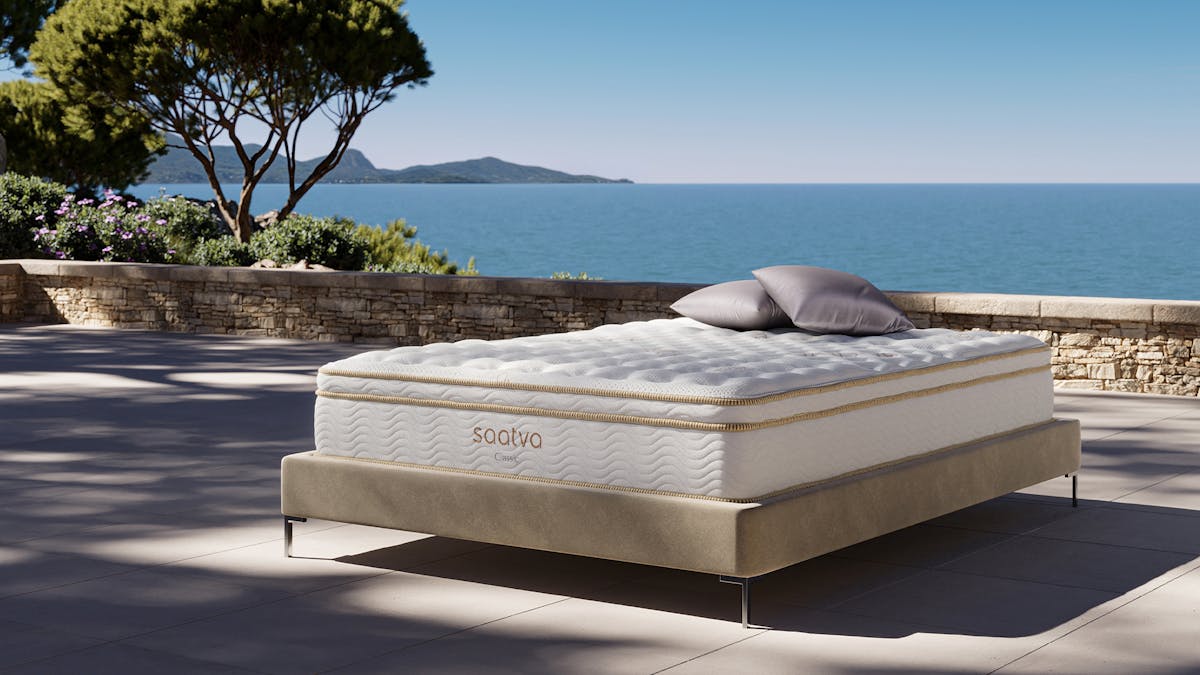
My preferred comparison outside this model is the Saatva Classic, mainly because it uses a more traditional luxury-innerspring approach and gives shoppers more time to decide. Per Saatva’s manufacturer terms, it includes a 365-night home trial and a lifetime warranty. That does not make it automatically right for every sleeper, but it is a meaningful policy contrast.
Compare the Saatva Classic’s current terms
Is the Mlily Power-Cool good for back pain?
The listed 7-zone coil layout, according to Mlily, is the right kind of structural feature to examine for back support because it is meant to provide firmer support through the lumbar and hip area. The memory foam above it can spread pressure around prominent contact points.
Still, a mattress cannot diagnose or treat back pain. The better question is whether the mattress keeps your spine in a neutral position for your sleep style. Side sleepers typically need shoulder cushioning, while back and stomach sleepers often need more resistance under the hips.
If pain is persistent, severe, or new, speak with a qualified healthcare professional. For shopping context, the existing guide to the best mattresses for back pain explains the construction features worth comparing.
Sagging and edge support
The Power-Cool’s pocketed coil base is a positive durability signal because coils carry support independently of the upper foams. The dedicated edge zones listed by Mlily should make the perimeter more usable than an all-foam mattress with no added edge structure.
That said, edge strength depends on the exact perimeter build, coil gauge, foam density, and how the mattress is used over time. I would not call any hybrid sag-proof. Rotating a one-sided mattress as directed by the manufacturer is the practical way to distribute wear.
Mlily’s listed 10-year warranty covers qualifying manufacturing defects and sagging beyond the brand’s stated threshold, per its warranty terms. Read those terms before purchase, especially the indentation requirement, foundation rules, and documentation expectations.
For long-term durability, the coil base is the stronger part of this design. The more uncertain variable is how the comfort foams hold their feel under your particular body weight and sleep pattern.
Trial, shipping, and warranty
The policy details matter here because they influence how much risk you take on after the mattress arrives.
- Trial: Mlily lists a 30-night return window, according to the original product information.
- Warranty: Mlily lists a 10-year warranty, per its published warranty terms.
- Shipping: the original listing describes nationwide boxed delivery at no extra shipping charge, subject to the retailer’s applicable terms.
- Care: this is a one-sided construction, so it should be rotated rather than flipped.
A short trial is not automatically a dealbreaker if you have spent time on the mattress in a showroom and understand the retailer’s return procedure. It is a bigger issue for an online-only shopper, because comfort can change after the foam relaxes and your body adjusts to a new support system.
Check Mlily’s product and policy details before ordering, since retailer configurations and terms can vary.
Price and value
| Size | Dimensions | Original listed price context |
|---|---|---|
| Twin XL | 38" x 80" | From $3,999 for the Sleep System, according to the original retailer listing. |
| Queen | 60" x 80" | About $2,699 for the mattress alone, according to the original retailer listing. |
| King | 76" x 80" | From $6,999 for the Sleep System, according to the original retailer listing. |
| Cal King | 72" x 84" | From $6,999 for the Sleep System, according to the original retailer listing. |
Those figures are configuration-specific and can vary by retailer, so check the final listing before purchasing. The full Sleep System includes the fan-enabled adjustable base and is priced differently from the mattress-only version, according to the original listing.
My value verdict is straightforward: the Power-Cool has legitimate cooling hardware and a sensible hybrid foundation, but the listed 30-night trial and 10-year warranty, per Mlily’s published terms, ask buyers to accept more policy limitation than I expect at this price level.
Frequently asked questions
Is the Mlily Power-Cool flippable?
No. It uses a one-sided construction, so the comfort layers are intended to stay on top. Rotate it periodically for more even wear, following Mlily’s care guidance.
Does the Mlily Power-Cool work with an adjustable base?
Yes. Mlily lists the Power-Cool as adjustable-base compatible. The brand also offers a fan-equipped base intended to circulate air through the mattress.
How long is the Mlily Power-Cool trial?
Mlily lists a 30-night trial, according to its product and policy information. Confirm the return process with the retailer you use because retailer terms can affect the purchase experience.
Is phase-change cooling effective all night?
Phase-change material can provide an initially cool sensation while it absorbs heat. The original product information describes the more active effect as roughly the first 1 to 3 hours, after which the coil core and ventilated layers become the more relevant parts of the cooling design.
Who makes Mlily mattresses?
Mlily is a mattress manufacturer with production facilities in China and the United States, according to the original article’s brand information. The U.S. Power-Cool models are described there as using CertiPUR-US certified foam.
My final verdict on the Mlily Power-Cool
The Mlily Power-Cool is not a gimmick mattress. Its phase-change cover, ventilated foam, charcoal memory foam, and pocketed coil structure form a plausible cooling system, and the coil base is the part I like most for airflow and support.
I’d buy it only if the medium hybrid feel fits you and the shorter policy terms do not bother you. Otherwise, compare it with the Saatva Classic, whose 365-night home trial and lifetime warranty are listed by Saatva, before spending premium-hybrid money.
See the Saatva Classic details
Read why our editor switched to Saatva
The Power-Cool’s strengths are real, but I would weigh the construction against the trial and warranty terms before making the final call.