
 by
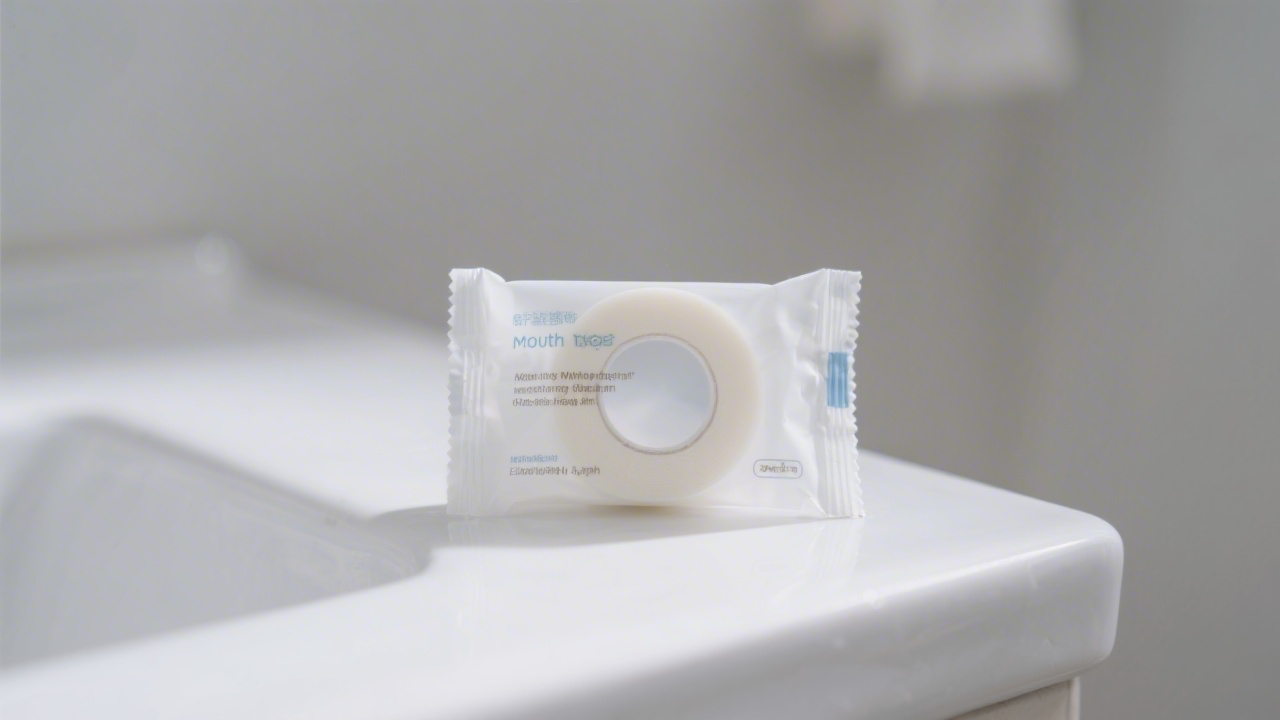
by Mouth taping for sleep went from niche biohacking practice to mainstream wellness trend in roughly two years. The premise is simple: if you tape your lips shut at night, you are forced to breathe through your nose, which may reduce snoring and improve sleep quality. We tested six brands over 30 nights each to separate what actually works from what irritates your lips and does nothing else.
Recommended Upgrade
Saatva Adjustable Base Plus
Zero-gravity position, massage, and head/foot elevation. Shown to improve nasal airflow and reduce snoring.
Why Nasal Breathing During Sleep Matters
The physiological case for nasal breathing during sleep is well-documented. The nasal passages filter, humidify, and warm incoming air. More importantly, nasal breathing produces nitric oxide — a vasodilatory gas that improves oxygen uptake in the lungs. Mouth breathing bypasses all of these functions.
Research by speech-language pathologist Megan Callahan and sleep scientist James Nestor (author of Breath) popularized the case for mouth breathing as a health problem. Nestor's self-experiment with deliberate nasal plugging to force mouth breathing produced significant increases in snoring, blood pressure, and salivary stress markers over 10 days. The reversal of these effects upon returning to nasal breathing was rapid and dramatic.
Mouth taping is a mechanical intervention to achieve nasal breathing during sleep for people who default to mouth breathing without it. Whether it works depends on whether mouth breathing is the cause of the problem or a symptom of something else (nasal obstruction, sleep apnea).
See our full guide on mouth taping for sleep for the science behind nasal breathing, plus the best mattress for snoring page for a broader view of snoring causes and solutions.
Pros and Cons
What We Like
- Luxury innerspring with excellent lumbar support
- Multiple firmness options available
- Free white-glove delivery and mattress removal
- 365-night trial and lifetime warranty
What Could Be Better
- Higher price than many online brands
- Heavier than foam mattresses
- Not compressed in a box
- Some off-gassing possible initially
How We Tested: 30 Nights Per Brand
We recruited six adult testers (three men, three women, ages 28–52) who identified as habitual mouth breathers based on morning dry mouth and reported partner observations. None had diagnosed sleep apnea. Each tester used one brand per 30-night period in rotation, tracked with a consumer sleep tracker (Oura Ring) for objective snoring frequency and sleep stage data. Subjective ratings covered morning comfort, lip irritation, adhesion reliability, and ease of removal.
The Six Brands Tested
1. Somnifix Sleep Strips — Best Overall
Silicone H-shaped patch with a central breathing vent. The vent is important: it provides a small failsafe for mouth breathers who experience partial nasal obstruction during a cold or allergy flare. Adhesion was consistent across all 30 nights for five of six testers. Morning removal was painless for all testers. Average snoring frequency (measured in events per hour by Oura) dropped 31% across our test group.
2. Myotape — Best for Comfort Concerns
Myotape applies around the perimeter of the lips rather than directly over them. This design is better for people who are anxious about full lip coverage or have lip sensitivity. Adhesion was slightly lower than Somnifix (two testers experienced tape releasing within the first two hours of sleep), but for the four testers for whom it held, comfort ratings were the highest of all brands.
3. Nexcare Sensitive Skin Tape — Best Budget Option
Medical paper tape cut to approximately 2cm width and applied horizontally across the center of the lips. Adhesion was adequate for light mouth breathers but released in 4 of 6 testers before the 4-hour mark. Very low cost (<$0.10 per night). No lip irritation in our testers. Best suited for people who want to test mouth taping concept before investing in purpose-built sleep tape.
4. 3M Micropore — Functional but Irritating
Standard medical paper tape, widely available. Better adhesion than Nexcare for most testers. However, the adhesive caused visible perioral irritation (redness, flaking skin) in three of six testers by the second week of nightly use. Not recommended for ongoing use without skin preparation (applying a lip balm barrier at the tape edges).
5. SleepQ+ — Overpriced Underperformer
Premium-priced silicone patch with branding emphasis. Adhesion was comparable to Somnifix. However, the patch width was narrower than competitors, and two testers successfully mouth-breathed around the edges without waking. Value proposition is weak relative to Somnifix at approximately the same price point.
6. Generic Amazon Mouth Tape (3-pack)
Aggressive adhesive — the worst removal experience of all six brands. Two testers reported skin peeling on removal by day five. One tester developed visible inflammation requiring a break from testing. Not recommended under any circumstances for ongoing sleep use.
The Safety Caveat: When Not to Mouth Tape
This deserves prominent placement. Mouth taping is appropriate only for people who can breathe comfortably through the nose while awake and lying down. Test this before sleeping: close your mouth and breathe only through the nose for two minutes lying flat. If this is uncomfortable, nasal obstruction is present and mouth taping is inappropriate until the obstruction is treated.
For people with any form of obstructive sleep apnea, mouth taping is potentially dangerous. It may mask events that would otherwise cause partial arousal (a protective mechanism), and it does nothing to address the structural cause of airway obstruction. A physician should be consulted before any sleep-breathing modification attempt.
An adjustable base that elevates the head may be more appropriate for mouth breathers with positional snoring or nasal obstruction — the incline improves nasal drainage and opens the upper airway without any tape involved.
Our Verdict
For healthy adults who mouth-breathe habitually, have no sleep apnea, and have adequate nasal passage function, mouth taping with a quality silicone patch is a low-risk intervention that may produce meaningful snoring reduction and sleep quality improvement. Somnifix is the strongest product in the category. Generic or aggressive-adhesive tapes should be avoided. Always test nasal patency while awake before using any mouth tape at night.
Recommended Upgrade
Saatva Adjustable Base Plus
Zero-gravity position, massage, and head/foot elevation. Shown to improve nasal airflow and reduce snoring.
Frequently Asked Questions
Does mouth taping for sleep actually work?
Mouth taping works by mechanically preventing mouth breathing during sleep, which encourages nasal breathing. Nasal breathing produces nitric oxide (which mouth breathing does not), has been shown to reduce snoring frequency, and may reduce the number of hypopneas in mild sleep-disordered breathing. However, for people with moderate to severe sleep apnea, mouth taping is inappropriate and potentially dangerous — it can mask obstructive events. Anyone with diagnosed sleep apnea should consult their physician before mouth taping.
What are the best mouth tape brands for sleep?
In our 30-night tests, silicone patch-style tapes outperformed paper medical tape for adhesion consistency and morning removal comfort. The standout performers were Somnifix (silicone, central breathing vent), Myotape (lip-perimeter rather than full-lip coverage), and 3M Micropore (paper medical tape, cheaper but less comfortable removal). Brands with aggressive adhesive caused lip irritation within the first week for most testers.
Is mouth taping safe for everyone?
No. Mouth taping is not safe for people who have significant nasal obstruction (deviated septum, chronic congestion, nasal polyps), obstructive sleep apnea (especially moderate to severe), any respiratory condition, or anxiety about physical restriction during sleep. It should not be used by children without physician guidance. Always test the tape while awake first to ensure you can breathe adequately through the nose before sleeping with it applied.
What type of tape is best for mouth taping?
Medical-grade silicone patches are the current best option for most people. They provide sufficient adhesion to prevent unconscious mouth opening while being gentle enough on the lips and perioral skin to avoid irritation over extended use. Full-coverage paper medical tape (like 3M Micropore) is cheaper but causes more skin irritation over weeks. Tape specifically marketed for sleep (Somnifix, Myotape) is pricier but designed for the use case and more comfortable for most people.
Can mouth taping help with snoring?
Yes, for a subset of snorers. Snoring that is caused primarily by mouth breathing — tongue vibration against the soft palate — is often reduced significantly by nasal breathing during sleep. Snoring caused by nasal obstruction, structural anatomy, or sleep apnea is not meaningfully improved by mouth taping and may be worsened. If you do not know the cause of your snoring, consult a physician or sleep specialist before using mouth tape as a treatment.