
 by
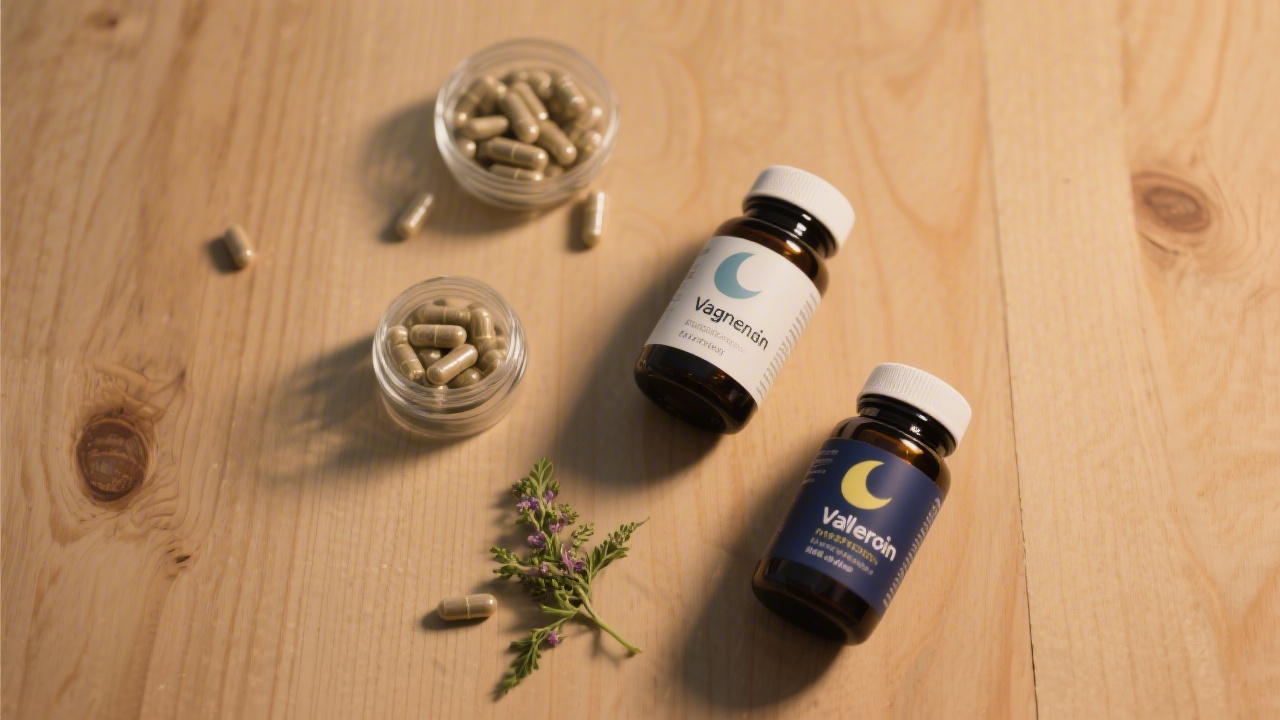
by The natural sleep supplement market generates billions of dollars annually. The marketing consistently overstates the evidence and understates the limitations. This is a frank review of what the research actually shows for the most commonly used natural sleep aids — without the promotional framing.
Our Recommendation
Saatva Classic Mattress — a proven foundation that addresses what you can control at home while you pursue clinical support.
Framework: How to Evaluate Sleep Supplement Evidence
Sleep supplements are not regulated with the same rigor as pharmaceutical drugs. Manufacturers do not need to demonstrate efficacy or safety to a regulatory standard before selling. This means the burden falls on consumers to evaluate evidence quality. When assessing any supplement claim, consider: Was the trial randomized and placebo-controlled? What was the sample size? Was the effect size clinically meaningful (not just statistically significant)? Has it been replicated by independent researchers?
Melatonin — Strong Evidence for Circadian Disorders, Weak for General Insomnia
Evidence grade: B+ for circadian; C for general insomnia
Melatonin is the most evidence-supported natural sleep aid, but the evidence is specific to circadian rhythm problems — jet lag, delayed sleep phase disorder, shift work adaptation. A 2022 Cochrane review found melatonin reduces jet lag symptoms with meaningful effect sizes. For general insomnia (chronic difficulty falling or staying asleep with a normal circadian rhythm), meta-analyses show average reductions in sleep onset of 7 to 12 minutes — modest at best.
Dose: Most OTC products contain 5 to 10 mg. Physiological doses are 0.3 to 1 mg. Higher doses are not more effective and may cause morning grogginess. If melatonin works for you, try reducing to the lowest effective dose.
Timing: For sleep onset issues, take 30 to 60 minutes before target bedtime. For jet lag and circadian shifting, timing depends on the direction of travel — consult the jet lag protocol for your situation.
Magnesium — Best Supported for Deficiency-Related Sleep Problems
Evidence grade: B for those with deficiency; C for general population
Magnesium is involved in hundreds of enzymatic processes including GABA-A receptor activation and NMDA receptor regulation — both relevant to the sleep-wake transition. A 2012 RCT in older adults with insomnia found magnesium supplementation improved subjective sleep quality, sleep efficiency, and morning serum cortisol levels versus placebo. More recent trials in healthy adults show smaller effects.
The key variable is baseline magnesium status. An estimated 48 percent of Americans consume below the recommended dietary allowance (RDA). Supplementation in deficient individuals produces more meaningful improvements. The RDA is 310 to 420 mg/day from all sources (food + supplement).
Best forms: Magnesium glycinate (well-absorbed, gentle on GI) and magnesium threonate (crosses blood-brain barrier; early data suggests cognitive and sleep benefits). Magnesium oxide is poorly absorbed despite being the most widely sold form. Avoid at very high doses (risk of osmotic diarrhea).
Valerian Root — Mixed Evidence, Reasonable Safety
Evidence grade: C — inconsistent results across trials
Valerian (Valeriana officinalis) is one of the oldest herbal sleep remedies. Proposed mechanisms include GABA-A receptor modulation, adenosine binding, and antioxidant effects. However, active constituent variation across preparations makes standardization difficult. A 2021 systematic review of 60 randomized trials found inconsistent results — roughly half showed benefit, half did not, with significant heterogeneity in preparations, doses, and populations studied.
Valerian appears safe for short-term use. It is not associated with significant dependence or morning hangover effects at typical doses. If you try it, stick to standardized root extracts at 300 to 600 mg, 30 to 60 minutes before bed. Do not expect pharmaceutical-grade outcomes.
L-Theanine — Relaxation Without Sedation
Evidence grade: C — limited sleep-specific trials
L-theanine, an amino acid in tea, promotes relaxation by increasing alpha-wave brain activity and modulating neurotransmitter systems without causing sedation. It may be useful for pre-sleep anxiety — the racing mind that prevents falling asleep — rather than as a direct sleep inducer. Small trials in healthy adults and children with ADHD suggest modest improvements in sleep quality and reduced nighttime waking at 200 mg doses. Evidence base is limited. Generally considered safe.
CBD — Uncertain Mechanism, Promising but Early Data
Evidence grade: C — insufficient RCT data at appropriate doses
Cannabidiol (CBD) has been widely marketed for sleep but the evidence remains preliminary. Early trials show promise at doses above 150 mg/night — far higher than most OTC products contain. CBD likely works through anxiolytic and pain-modulating mechanisms rather than direct sleep induction. Regulatory status, product quality control (contamination with THC or heavy metals in unregulated products), and drug interactions (particularly with blood thinners and anticonvulsants) warrant caution and medical consultation.
Glycine — Emerging Evidence, Worth Noting
Evidence grade: B- — small but consistent studies
Glycine is an inhibitory amino acid neurotransmitter. Two small Japanese RCTs found 3 g glycine taken before bed reduced subjective fatigue, improved daytime alertness, and reduced time to slow-wave sleep versus placebo. Mechanism likely involves glycine-induced core body temperature reduction via peripheral vasodilation — which mimics the natural body temperature decline that initiates sleep. Evidence base is small but mechanistically coherent. Very safe profile. Underrated relative to the more heavily marketed options.
What Doesn't Work
Chamomile tea: Chamomile contains apigenin, a flavonoid with mild GABA-A affinity. At typical tea consumption doses, effects are negligible. The ritual of a warm drink before bed likely contributes more to sleep onset than the chamomile itself.
Lavender (oral): Silexan, a standardized oral lavender oil preparation, has some RCT evidence for generalized anxiety disorder, which may have downstream sleep benefits. Topical or aromatherapy lavender has no meaningful evidence for sleep beyond expectation effects.
Passionflower: Very limited human data. One small trial showed modest improvements in sleep quality. Insufficient evidence to recommend.
The Mattress Variable
No supplement addresses the structural reason for poor sleep. If your mattress creates back pain, hip pressure, or motion transfer that causes frequent arousals, supplements will work around rather than resolve the issue. A properly supportive mattress that keeps the spine neutrally aligned and reduces pressure points eliminates a physiological arousal trigger before you consider any supplement.
Start With What You Control
Clinical support takes time. A properly supportive mattress delivers results from night one.
Affiliate link. We earn a commission at no extra cost to you.
Frequently Asked Questions
What is the most effective natural sleep aid?
By evidence strength, melatonin for circadian-driven sleep issues (jet lag, delayed sleep phase) and magnesium glycinate or threonate for adults with deficiency are the best-supported options. CBT-I — while not a supplement — is the most effective non-pharmacological intervention for chronic insomnia. Valerian has mixed evidence but reasonable short-term safety. No natural supplement produces outcomes comparable to addressing underlying sleep disorders clinically.
Is magnesium good for sleep?
Magnesium plays a role in GABA activation and NMDA receptor regulation, both relevant to sleep. Supplementation appears most beneficial in people with deficiency, which is common — estimated 45 to 60 percent of adults in Western countries consume less than the recommended dietary allowance. Forms matter: magnesium glycinate and magnesium threonate are better absorbed and tolerated than magnesium oxide (the common cheap form). Typical effective doses are 200 to 400 mg taken 1 to 2 hours before bed.
Does valerian root actually work for sleep?
Evidence is mixed. Some trials show modest improvements in sleep quality and latency; others find no effect beyond placebo. A 2021 systematic review of 60 studies found inconsistent results, partly due to variation in valerian preparations and doses. It is generally considered safe for short-term use (up to 28 days in most studies). If you notice a subjective benefit, it is unlikely to be harmful. Expecting significant pharmacological effect comparable to prescription medication would be unrealistic.
Can L-theanine help with sleep?
L-theanine, an amino acid found in green tea, promotes relaxation without sedation by increasing alpha wave brain activity and modulating GABA and serotonin. Evidence for sleep specifically is limited — most trials are small. It appears more useful for reducing pre-sleep anxiety than for directly inducing or maintaining sleep. Effective doses in trials are typically 200 to 400 mg. It is generally considered safe with no significant dependence concerns.
Are natural sleep supplements safe to take long-term?
Long-term safety data is limited for most supplements because regulatory requirements for supplements are far less stringent than for pharmaceuticals. Melatonin has reasonable short-term evidence; very long-term data is lacking. Valerian is typically studied only up to 28 days. Magnesium is generally safe long-term at recommended doses with the primary risk being loose stools at high doses. Anyone taking prescription medications should consult a physician before starting supplements due to potential interactions.