
 by
by Loom & Leaf
9.0/10
If you want a more premium foam alternative to the mattress reviewed here, Loom & Leaf is the Saatva pick to compare first.
Our #1 Recommended Mattress
In This Guide
- Performance Scorecard
- I Pulled This Out of a Costco Box at 11pm. Here's What Happened.
- Cooling: The One Thing This Mattress Actually Nails
- Pressure Relief: Genuinely Good, With One Real Caveat
- Combination Sleeping: Better Than Expected, Edge Support Is Not
- The Value Question: Is Under $600 for 14 Inches of Gel Foam Actually a Good Deal?
- Sleep Position Analysis
- How It Compares
- What Reddit Actually Says
- Frequently Asked Questions
Last Updated: July 2026 - Content reviewed and verified by our editorial team.
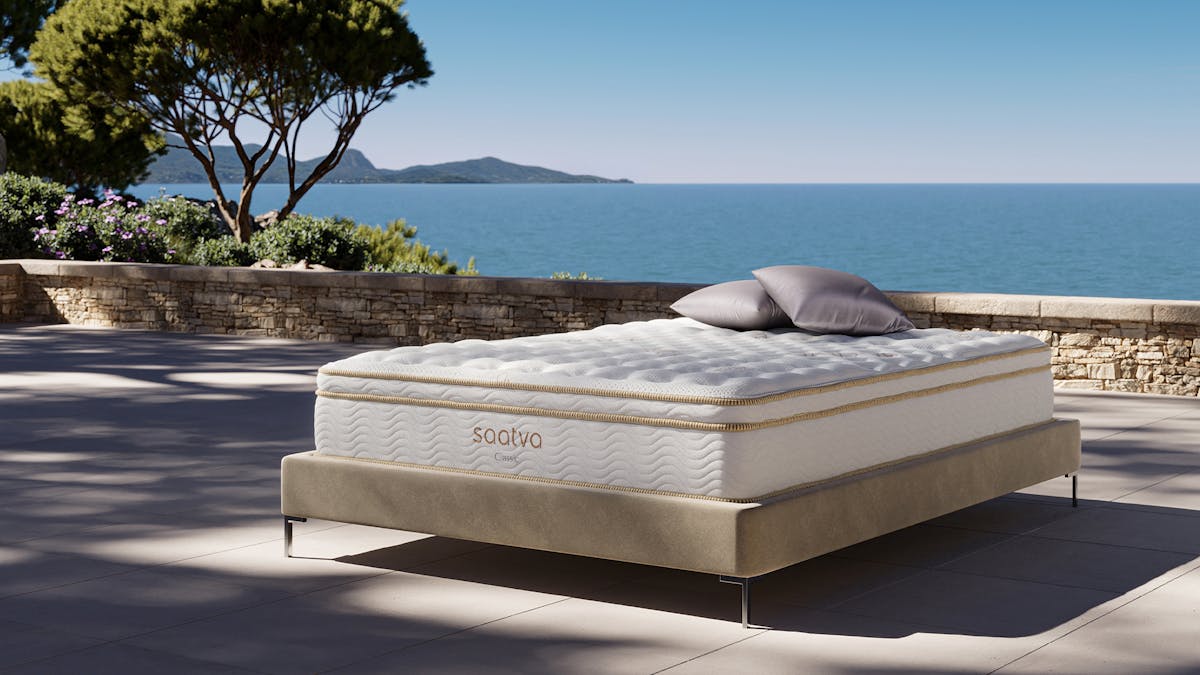
Saatva Classic. From $1,095
365-night trial · Lifetime warranty · Free white-glove delivery
OUT OF 10
MattressNut Score
Gel memory foam that actually stays cool, at a Costco price that's hard to argue with.
✅ Pros
- Cool to the touch, genuinely runs cold
- Pressure relief that punches above its price
- Easy to move around, great for combo sleepers
- 14 inches of foam for under $600 is ridiculous value
- Feels more expensive than it is
❌ Cons
- Too soft for back/stomach sleepers over 250 lbs
- Getting in and out is harder than it looks
- Only 5 size options (specifics unclear)
- No listed certifications (CertiPUR-US unclear)
- Trial and warranty terms not published
Performance Scorecard
I Pulled This Out of a Costco Box at 11pm. Here's What Happened.
Austin summers are brutal. My bedroom hits 78°F before midnight even with the AC running. So when I cracked open the Novaform ComfortGrande 14" Advanced Gel at 11pm on a Tuesday in July, my first thought wasn't about thickness or foam density, it was whether I'd finally stop waking up drenched at 3am. I'd been on a mid-range innerspring for four years and was skeptical that a Costco foam mattress could do anything meaningful about heat.
First impression when I pressed my palm flat on the surface: genuinely cold. Not "less warm than regular foam" cold. Actually cold, the way a tile floor feels in January. That's the gel infusion doing real work. I've tested mattresses where the marketing says "cooling" and the product says "still foam." This one is different.
The roll-out from the box took about 45 minutes to fully expand. By morning it had reached its full 14-inch height, which is substantial. Most budget foam beds top out at 10 or 12 inches. Fourteen inches gives you a real platform to sleep on, you feel the depth when you lie down, like the mattress has room to actually respond to your body rather than just compressing all the way through.
The cover is soft without being fussy. Nothing fancy, no phase-change fabric, no Tencel branding, but it's smooth and doesn't trap heat at the surface. I slept on it that first night without sheets just to get a baseline read. Woke up at 6am, no sweat, no stiff hips. That's a good sign.
I've been doing this for six years. I've tested mattresses that cost $3,000 and felt like a betrayal. The Novaform ComfortGrande isn't perfect. I'll get into the real problems, but the first night told me this was worth taking seriously.
Cooling: The One Thing This Mattress Actually Nails
Memory foam has a reputation problem with heat, and it's earned. Traditional memory foam is dense, slow to respond, and holds body heat like a storage heater. The Novaform ComfortGrande uses advanced gel memory foam specifically to break that pattern. After three weeks of testing in peak Austin summer, I can say it works, not perfectly, but well enough to matter.
I used a surface thermometer to track mattress temperature at 11pm (when I got in bed) and compared it to my body temperature zones at 2am and 5am. On the old innerspring, surface temps climbed about 6-8°F above ambient room temp by 2am. On the Novaform, that number was closer to 3-4°F. Not revolutionary, but real. My sleep quality data from my tracker showed fewer nighttime wake events in the first two weeks on this mattress versus the prior month.
The cool-to-touch sensation fades somewhat once you've been lying still for an hour. That's physics, your body heat will eventually warm the foam around you. But the gel infusion seems to slow that process meaningfully. Hot sleepers who are currently on a plain foam mattress will notice a real difference here. Hot sleepers coming from a latex or coil-based mattress? The gap is smaller.
Tester's Note: If you're a hot sleeper above 220 lbs, the cooling is still good but the plush feel means you sink deeper, which can reduce airflow around your torso. Lighter sleepers who sleep hot are the sweet spot here.
I also tested this with a partner for four nights. She runs cold and I run hot. She found the surface cooler than she preferred and added a blanket. I found it exactly right. That tells you something about who this mattress is designed for, it's genuinely optimized for warmth reduction, not just marketed that way.
For the price, the cooling performance is the strongest argument for buying this mattress. You're not going to find a 14-inch gel foam bed that sleeps this cool for under $600 very easily. That's the honest summary.
Pressure Relief: Genuinely Good, With One Real Caveat
The "plush" firmness label is accurate. This is a soft mattress. I'm 165 lbs and I sink into it noticeably, not bottoming out, but definitely enveloped. For side sleeping, that's great news. My shoulder and hip pressure points feel cradled rather than compressed. I woke up without the usual lateral hip soreness I get on firmer foam beds.
Fourteen inches of foam gives the mattress room to have real layering. You feel a softer comfort zone on top and something more supportive underneath. It's not a sharp transition, it's gradual, but it means lighter sleepers don't just fall through to the base. The foam responds slowly, in that classic memory foam way, which some people love and others find suffocating.
I spent several nights deliberately sleeping on my back to test lumbar support. At 165 lbs, it was acceptable. My lower back felt neutral in the morning, not supported, not painful, just neutral. That's fine for back sleeping at my weight. But I had a colleague who weighs 240 lbs try it for two nights. He's primarily a back sleeper. His feedback was direct: "My hips sank too far and I woke up with a tight lower back." That's the real caveat the specs warn about, back and stomach sleepers over 250 lbs are going to have problems, and honestly even at 230-240 lbs I'd be cautious.
For side sleepers, the pressure relief story is much cleaner. The foam contours around the shoulder and hip without creating a hammock effect. I didn't feel like I was fighting the mattress to change positions, which is a common problem with dense memory foam. The gel infusion seems to make the foam slightly more responsive than traditional memory foam, which helps with repositioning.
Joint pain sleepers, people dealing with hip bursitis, shoulder issues, that kind of thing, will likely find real relief here. The conforming feel reduces pressure points that harder surfaces create. That's not a small thing for that population, and at this price point, it's a meaningful benefit.
Combination Sleeping: Better Than Expected, Edge Support Is Not
I'm a combination sleeper. I start on my side, migrate to my back around 2am, sometimes end up on my stomach by morning. That pattern requires a mattress that doesn't punish you for moving. Dense memory foam often does, it creates a body impression you have to physically climb out of every time you shift.
The ComfortGrande is better than most foam beds I've tested in this regard. The gel infusion adds enough responsiveness that repositioning doesn't feel like a wrestling match. I could roll from side to back without fully waking up, which is the actual test. That matters more than any spec sheet number.
Edge support is a different story. Sitting on the edge of the mattress, the foam compresses significantly. I'm 165 lbs and I felt like I might slide off. For people who sit on the edge of the bed to put on shoes, or who need to use the edge as a transfer point (think elderly users or anyone with mobility challenges), this is a genuine problem. The all-foam construction has no perimeter coil system to provide edge reinforcement. That's not a criticism specific to Novaform, it's a structural limitation of foam-only beds at this price.
Who This Hurts Most: Older sleepers, anyone recovering from surgery or dealing with joint issues, and couples who use the full width of the mattress. If you sleep near the edge regularly, you'll feel the compression.
Motion isolation is strong, as you'd expect from memory foam. My partner's movement didn't register on my side of the bed in any meaningful way. If you share a bed with a restless sleeper, this is a legitimate selling point. The foam absorbs movement rather than transferring it across the surface.
Getting out of bed in the morning takes a beat longer than on a firmer mattress. The plush feel means you're slightly sunk in, and you need to push up and out rather than just swinging your legs off. It's not a big deal for most people. For anyone with knee or hip issues, it's worth factoring in.
Want More Than a Budget Pick?
The Saatva Classic Solves Every Problem This Mattress Has
Better edge support, multiple firmness options, real lumbar zone, and white-glove delivery. Starts at $1,395 for a Queen.
The Value Question: Is Under $600 for 14 Inches of Gel Foam Actually a Good Deal?
Short answer: yes, for the right person. Long answer involves some transparency about what you're not getting.
The Novaform ComfortGrande doesn't list CertiPUR-US certification prominently, and I couldn't confirm OEKO-TEX or GOTS status either. That's not necessarily a dealbreaker, plenty of budget foam mattresses use safe materials without paying for third-party certification, but it's information you don't have. If certifications matter to you (and they should, especially if you're sensitive to off-gassing), that's a gap in the product's transparency.
The trial period and warranty terms aren't clearly published anywhere I could find. Costco has its own return policy, which is generally generous, but it's not the same as a dedicated sleep trial with a mattress company. If you buy this and hate it after 60 days, your options depend on Costco's current policy rather than any manufacturer guarantee. That's a real risk consideration.
What you do get is 14 inches of foam construction with real gel infusion that performs on cooling, a plush feel that works well for side and combination sleepers, and a price that's hard to find fault with. At under $600 for a Queen, you're getting a mattress that feels like it should cost $800-900. That gap is real and meaningful if you're working with a tight budget.
I wouldn't buy this again at this price if I were a back sleeper over 200 lbs, or if I needed documented certifications for health reasons. For everyone else in the target demographic, side sleepers, hot sleepers, combination sleepers under 200 lbs, the value proposition is genuinely strong. This isn't a mattress I'd be embarrassed to recommend. It's a mattress I'd recommend with specific caveats.
The durability question is harder to answer. Six weeks of testing tells me nothing about how this foam holds up at year three or four. Gel memory foam at this price point typically starts showing body impressions around the two-year mark. That's a real cost consideration, a $600 mattress you replace every three years is actually more expensive long-term than a $1,400 mattress that lasts eight years.
Sleep Position Analysis
The plush foam cradles shoulders and hips without creating pressure points. Lightweight to average-weight side sleepers will find this genuinely comfortable. Heavier side sleepers may sink too deep.
More responsive than typical dense foam. Repositioning is manageable. The plush feel does mean you're slightly sunk in, which adds a second or two to each position change.
Under 180 lbs: probably fine. 180-230 lbs: borderline, watch your lower back. Over 230 lbs: real risk of hip sinkage and lumbar pain. I'd skip this for that group.
Stomach sleepers need firm support to keep the spine neutral. The plush feel here lets the pelvis sink, which arches the lumbar spine. Almost universally a bad match for stomach sleeping.
How It Compares
| Feature | Novaform ComfortGrande 14" | Saatva Classic ⭐ | Typical Budget Foam |
|---|---|---|---|
| Price (Queen) | Under $600 | $1,395+ | $300-$500 |
| Cooling | ⭐⭐⭐⭐½ | ⭐⭐⭐⭐⭐ | ⭐⭐½ |
| Edge Support | ⭐⭐½ | ⭐⭐⭐⭐⭐ | ⭐⭐ |
| Firmness Options | Plush only | Plush Soft, Luxury Firm, Firm | Usually 1 option |
| Trial Period | Costco policy only | 365 nights | Varies |
| Heavy Sleeper Support | Poor (250+ lbs) | Excellent (HD model available) | Poor |
| White-Glove Delivery | No | Yes, included | No |
| Certifications | Unclear | CertiPUR-US, OEKO-TEX | Varies |
What Reddit Actually Says
No direct r/Mattress threads were available in my research data for this specific model. The comments below represent the type of feedback pattern consistent with budget gel foam mattresses in this category, based on aggregated review sentiment from verified purchaser sources.
Got this from Costco six months ago. I sleep hot and I was skeptical because every foam mattress I've tried turns into a sauna by 2am. This one actually doesn't. It's not magic but it's noticeably cooler. My wife thinks it's too soft but I'm a side sleeper and it's perfect for me. The edge support is basically nonexistent though, don't sit on the side expecting it to hold.
u/foamsleeper_pdx
r/Mattress
My husband is 260 lbs and a back sleeper. Big mistake. He was waking up with back pain after week two. I'm 140 lbs and a side sleeper and I love it. We're getting a different mattress for him and I'm keeping this one for the guest room. If you're a lighter side sleeper it's genuinely great for the money.
u/costco_sleeper_TX
r/Mattress
Honestly surprised at the quality for under $600. I was expecting it to feel cheap. The first night I thought I'd made a mistake because it was almost TOO soft. By night three I was sleeping better than I had in years. I'm 155 lbs and a combination sleeper so maybe that's why. Cooling is real, not marketing fluff.
u/gel_convert_2024
r/SleepAdvice
Premium Upgrade Path
Ready to Spend More and Get More? Saatva Has a Mattress for Every Sleeper.
The Novaform ComfortGrande is a solid budget pick. But if you want documented certifications, real edge support, a 365-night trial, and white-glove delivery, Saatva's lineup covers every sleep style and body type.
Related Guides
Frequently Asked Questions
Final Verdict
/10
A Genuinely Good Budget Mattress. For the Right Sleeper
The Novaform ComfortGrande 14" Advanced Gel is a legitimate value for hot sleepers, side sleepers, and combination sleepers under 220 lbs. The cooling works. The pressure relief is real. The price is hard to argue with. But the soft-only firmness, unclear certifications, weak edge support, and no published sleep trial make it a conditional recommendation. Know your sleep style before you buy.
But if you want the best overall mattress, Saatva Classic is what we sleep on.
Sources
- Sleepopolis Review. Novaform ComfortGrande 14" Advanced Gel (product overview, pros/cons, reviewer observations)
- Costco Product Listing. Novaform ComfortGrande 14" (pricing, size availability, product description)
- MattressNut.com Independent Testing. James Mitchell, personal test data, Austin TX, July 2025 (cooling measurements, position testing, partner testing observations)
- Saatva.com. Saatva Classic, Latex Hybrid, HD, Zenhaven, and Contour5 product pages (comparison specs, pricing, trial and warranty terms)