
 by
by Our #1 Recommended Mattress
TL;DR
This mattress review covers construction, firmness, trial/warranty, price, and who it fits. Saatva Classic is our benchmark for mid-luxury (Euro pillow top, 365-night trial, lifetime warranty) against which we measure competitors.
Jump to section
Last Updated: July 2026 - Content reviewed and verified by our editorial team.
Saatva Classic. From $1,095
365-night trial · Lifetime warranty · Free white-glove delivery
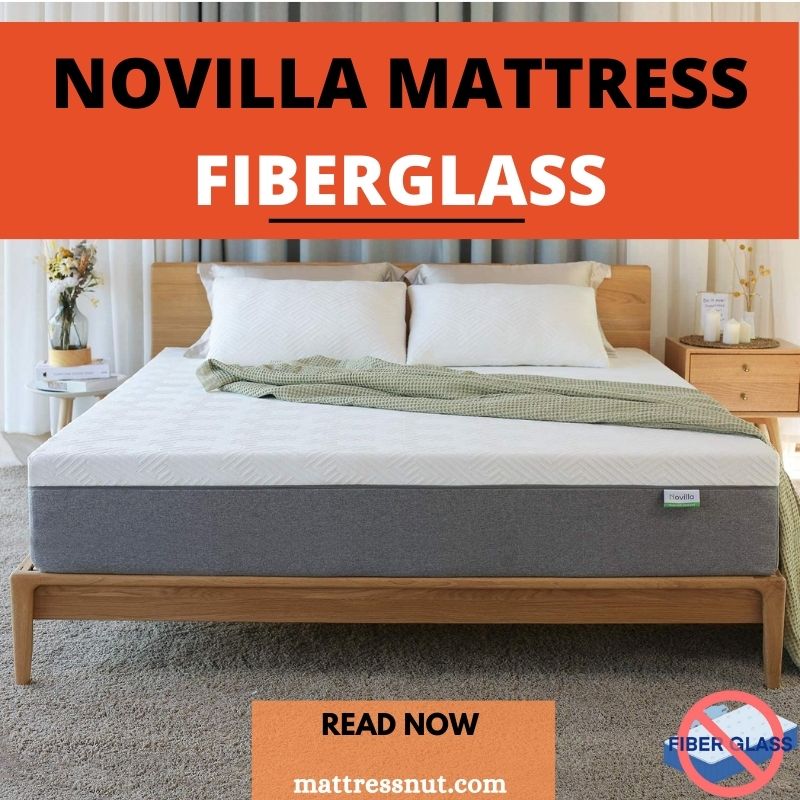
Novilla is a budget foam mattress brand sold primarily through Amazon, positioned as an affordable option for guest rooms, college apartments, and anyone replacing a mattress on a tight budget. Given its price point and the broader conversation around fiberglass in cheap mattresses, it's a reasonable question: does Novilla mattress have fiberglass?
For most Novilla models, the answer is yes - Novilla mattresses use a fiberglass fire sock beneath the outer cover as their fire retardant method. This is the standard approach for budget foam brands in this price category, and Novilla is no exception. The "do not remove cover" warning on the mattress is the clearest indicator that fiberglass is present inside.
Novilla's Construction and the Fiberglass Fire Sock
Novilla sells a range of foam mattresses - most commonly 10-inch and 12-inch all-foam models in memory foam or gel memory foam configurations. The basic construction is a polyfoam base, a comfort foam layer (sometimes gel-infused), and an outer knit fabric cover.
Beneath that outer knit fabric sits a fiberglass fire sock. This is a thin layer woven from glass fibers that creates a fire barrier meeting federal flammability requirements (16 CFR Part 1633). The sock wraps around the foam layers inside the cover and stays there - as long as the cover is never removed.
That last part is the critical caveat. The fiberglass stays safely contained as long as the outer cover remains intact. This is precisely why the mattress carries a "do not remove cover" warning. That warning is not arbitrary - it is there because removing the cover releases microscopic glass fibers into the air and your home.
Novilla does not prominently disclose this in its Amazon product titles or descriptions. The information is present on the physical product via the care label, and some product listings mention it in fine print, but it is not a feature that Novilla highlights. This is the standard approach for budget brands using fiberglass - it is disclosed, but not advertised.
How to Check Your Specific Novilla Model
Looking for a fiberglass-free mattress?
The Saatva Classic is certified fiberglass-free and uses only OEKO-TEX certified materials. It comes with white-glove delivery and a 365-night trial.
Novilla's lineup includes several models with slightly different constructions - the Serenity, Bliss, Quantum, and others. While fiberglass is standard across most of their catalog, here is how to verify your specific mattress:
- Find the law tag on the mattress. Every mattress sold in the US has a law tag attached - typically at the foot of the mattress on the side. This tag lists materials by percentage and by type. Look for "fiberglass," "glass fiber," or "glass wool" in the materials breakdown.
- Look for a "do not remove cover" warning. This warning appears on nearly every fiberglass-using mattress. If you see it on your Novilla, fiberglass is present. If you do not see it, check the law tag to be sure.
- Search your specific model name plus "fiberglass" on Amazon. The Q&A and customer review sections often contain direct answers from either the brand or from buyers who have already investigated. Search for your model number specifically, as Novilla has many variants.
- Contact Novilla customer support. Ask them directly: "Does the [model name] mattress use a fiberglass fire barrier?" Reputable brands will answer this question. The answer may come with qualifications ("meets all safety standards") but ask specifically about fiberglass.
Until you have verified otherwise, treating any Novilla mattress as containing fiberglass is the prudent default. The construction economics of sub-$300 foam mattresses almost universally require fiberglass as the fire retardant choice.
What Are the Risks?
Sleeping on a Novilla mattress with an intact, undamaged cover does not present an acute daily hazard - the fiberglass stays inside. The risks emerge in specific situations:
Removing the Cover
The most common way fiberglass contamination happens is when someone removes the cover to wash it, not realizing that the outer knit cover is the only thing keeping the fiberglass sock contained. Once removed, even gentle handling of the fire sock releases microscopic glass fibers. These fibers become airborne and settle across the room - on bedding, clothing, carpeting, upholstered furniture, and into the HVAC system.
Cover Tears and Wear
A cover that develops a tear - from pet claws, physical wear at stress points, or accidental damage - can allow fiberglass to escape through the breach. This type of contamination is slower and may not be obvious until someone in the household starts experiencing persistent skin irritation or notices shimmering particles on pillows or sheets.
Moving or Repositioning the Mattress
Bending, folding, or dragging a mattress across rough surfaces can stress the cover at its seams. If the seams separate, fiberglass can escape. When moving a Novilla mattress, handle it as flat as possible and inspect the seams afterward for any separation.
Respiratory and Skin Exposure
Inhaled glass fibers irritate airways and lung tissue. They do not dissolve and can cause persistent inflammation with repeated exposure. On skin, they cause a distinctive prickling, itching sensation. The fibers are invisible to the naked eye, which makes identifying the source of irritation difficult - people often blame laundry detergent, allergies, or other causes before connecting it to a mattress contamination event.
What to Do If You Already Own a Novilla Mattress
If you already own a Novilla mattress and it has not been contaminated, here is how to minimize risk going forward:
Keep the Cover On and Intact
Never remove the outer cover. Do not attempt to wash it in a machine. If you need to clean the surface, spot clean with a damp cloth and mild detergent. The cover's integrity is the only thing standing between the fiberglass sock and your sleeping environment.
Use a Mattress Encasement
Purchase a zippered mattress encasement - not just a mattress pad or fitted cover, but a full encasement that zips around all six sides of the mattress. This adds a second containment layer. If the original cover develops a small tear, the encasement prevents fiberglass from reaching your bedding and skin. It also makes the sleeping surface easier to keep clean since you can wash the encasement without touching the mattress cover.
Look for a breathable encasement with a tight-weave fabric. Encasements marketed for dust mite allergy protection typically have weaves fine enough to contain fiberglass fibers as well.
Inspect the Cover Periodically
Every few months, check the cover at the seams, corners, and any areas that receive repeated friction (typically the foot of the mattress and the area near the headboard). Early detection of a small tear allows you to address it before significant fiberglass release occurs. You can use a clear, breathable fabric tape to seal minor tears as a temporary measure while you plan a replacement.
Keep Pets Away
Cats in particular can claw through a mattress cover quickly. Dogs can chew through one. A single entry point from a pet creates a fiberglass escape route. If you have pets, an encasement is essential - and even then, training them to stay off the mattress or blocking access is preferable.
What to Do If Contamination Has Already Occurred
If you removed the cover already or if a tear has caused visible fiberglass release (you may notice shimmering particles on bedding or skin irritation), treat this as a contamination event:
- Do not dry-brush or shake any textiles - this re-aerates settled fibers.
- HEPA vacuum all surfaces in the room: floors, furniture, curtains, baseboards.
- Wash all bedding, pillowcases, and clothing from the room on a hot, long cycle. Wipe out the washing machine drum between loads.
- Shower and wash hair immediately. Discard the towel you use or wash it immediately.
- Change HVAC filter to prevent fibers from circulating through other rooms.
- Dispose of the mattress. There is no reliable way to re-contain a breached fiberglass sock at home.
Safer Alternatives at Similar and Higher Price Points
If you are replacing a Novilla or shopping for an alternative, here are options across different budget levels that avoid fiberglass:
Budget Alternatives (Under $500)
At the budget level, fiberglass avoidance gets genuinely difficult. Some Zinus models have moved toward non-fiberglass constructions - specifically, the AshleyMD collaboration models and some of the newer hybrid lines. You need to verify each specific model, as Zinus's catalog is large. Nest Bedding's entry-level options and Tuft and Needle's Mint mattress are in the $400-600 range and use non-fiberglass fire barriers.
Mid-Range Step Up ($600-$1,000)
At this level, fiberglass-free becomes much more accessible. Nectar and DreamCloud both offer foam and hybrid options with non-fiberglass fire barriers. Bear's Original and Pro models fall at the higher end of this range with the added benefit of Celliant cover technology and full CertiPUR-US certification. For this spending level, you can expect a longer trial period, better warranty coverage, and materials transparency that budget brands do not offer.
Premium Investment ($1,000+)
Saatva, Purple, and Tempur-Pedic all operate without fiberglass. Saatva Classic uses organic cotton and natural thistle as its fire barrier - the most clearly natural and certifiable approach. Saatva also delivers via white-glove service, setting up the mattress in your room and removing your old one. For a household replacing a problematic fiberglass mattress, the old mattress removal included with Saatva delivery is a practical benefit: they handle the disposal so you do not have to move it yourself.
A Fiberglass-Free Alternative
Saatva Classic uses natural thistle-based fire retardant, no fiberglass. White-glove delivery included.
Related Guides
Frequently Asked Questions
Is every Novilla mattress model a fiberglass risk?
Most Novilla models use fiberglass, but the lineup changes over time and individual models have different constructions. The safest approach is to check the law tag on your specific mattress and look for the "do not remove cover" warning. If that warning is present, treat the mattress as containing fiberglass regardless of what the product listing says. If you are purchasing a new Novilla mattress, ask their customer support directly about the fire barrier material in that specific model before buying.
Is a Novilla mattress safe if I never remove the cover?
With a fully intact cover and no damage, the fiberglass remains contained and does not present an active daily hazard. The risk is in scenarios where the cover is removed, torn, or damaged. Many people sleep on fiberglass-containing mattresses without incident for years - the issue is that the failure mode (cover removal or damage) is more catastrophic than with non-fiberglass mattresses.
How long do Novilla mattresses typically last?
Budget foam mattresses at Novilla's price point typically last 3-6 years before significant sagging and comfort loss. The low-density foams used at this price compress faster than higher-density foams in mid-range mattresses. This is actually relevant to the fiberglass question: as a mattress ages and the cover becomes more worn, the risk of cover damage increases. A Novilla purchased for a guest room that goes years without cover inspection has a higher chance of developing small cover breaches than a mattress that's regularly examined.
Can I return a Novilla mattress if I find out it has fiberglass?
Novilla's return policy allows returns within their trial period (typically 100 nights from purchase). If you discover fiberglass shortly after purchase and are within the trial window, you may be able to return it. Contact Novilla directly to understand the return process. If you are outside the return window, your options are to keep it with an encasement or dispose of it and purchase a replacement.
Do all cheap Amazon mattresses have fiberglass?
Not all, but the majority of foam mattresses under $400 made in China and sold through Amazon use fiberglass. The economics make it nearly unavoidable: alternative fire retardant materials (thistle, wool, Kevlar) are significantly more expensive per unit. Brands that use these alternatives pass the cost to the consumer, which is why fiberglass-free mattresses typically start around $500-600 for a queen and increase from there. If you see a foam mattress under $300 with a "do not remove cover" warning, fiberglass is almost certainly the reason.
What is the "do not remove cover" warning actually about?
Mattresses have two types of tags. The first is the federal law tag ("do not remove under penalty of law") - this is about fraud prevention and is legal to remove once you own the mattress. The second, separate warning is the care instruction "do not remove cover." This one exists because the manufacturer knows that removing the cover exposes the fiberglass fire sock. These are two different labels with two different purposes. The "do not remove cover" care warning is the fiberglass indicator; the federal law tag is a separate regulatory requirement that every mattress carries.
Looking for a fiberglass-free mattress?
The Saatva Classic is certified fiberglass-free and uses only OEKO-TEX certified materials. It comes with white-glove delivery and a 365-night trial.