
 by
by Top Pick
Saatva Loom & Leaf
Premium memory foam mattress with open-cell foam construction for cooler sleep.
Starting at $1,699 • Free white-glove delivery • 365-night trial
Open-Cell Foam: The Basic Mechanism
All foam starts as a polymer matrix — polyurethane or a modified formulation for memory foam — that expands with gas bubbles during production. The difference between open-cell and closed-cell foam is whether those bubbles stay sealed or burst.
In closed-cell foam, each gas bubble remains a discrete sealed unit. The result is a dense, firm foam that resists compression and is nearly impermeable to airflow. Closed-cell polyfoam is the structural foam used in furniture cushions and lower-tier mattress support cores.
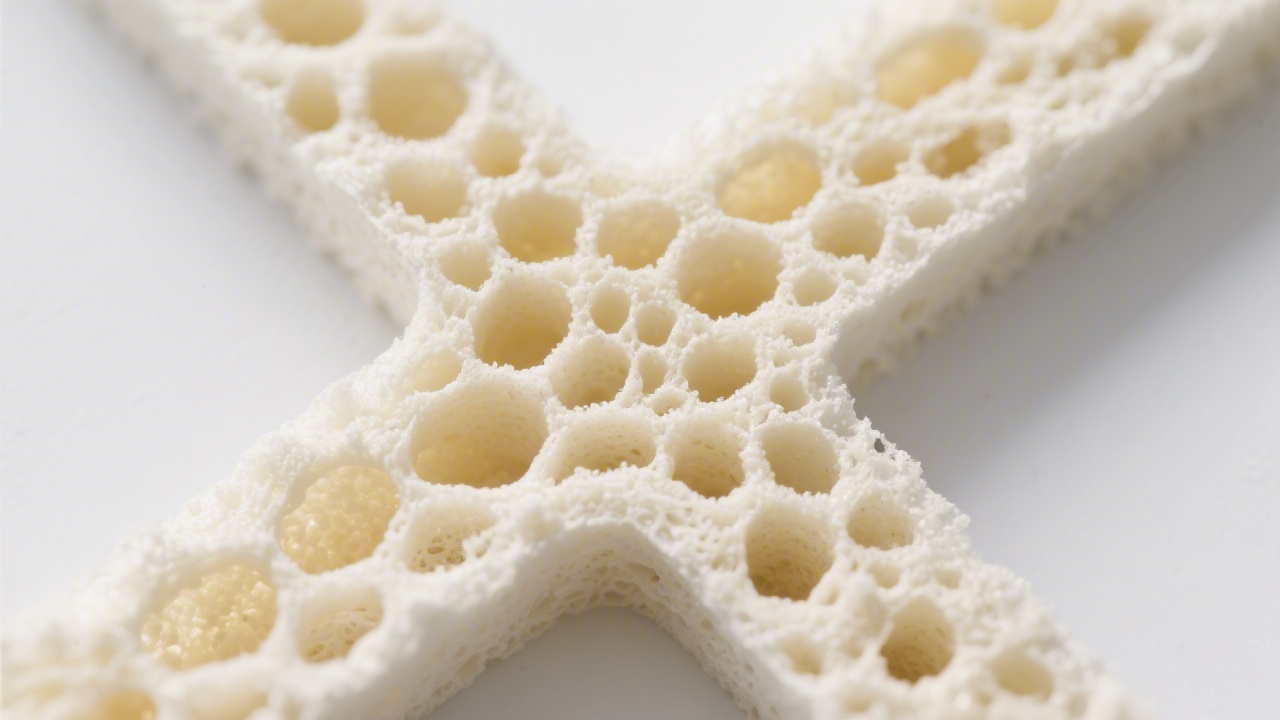
In open-cell foam, the cell walls rupture during manufacturing — intentionally, through formulation adjustments or mechanical processing — leaving an interconnected network of voids. Air can flow through this network as you move on the mattress, which is the basis of every "breathable foam" claim you will see in mattress marketing.
Does It Actually Cool Better?
The honest answer: open-cell foam sleeps cooler than traditional closed-cell memory foam, but it is not the same as sleeping on a coil mattress or latex.
The mechanism works: the porous structure allows some convective airflow rather than trapping a stagnant air pocket against your body. Studies on foam thermal properties confirm that open-cell foam dissipates heat more efficiently than closed-cell foam under the same conditions.
However, foam is still a polymer material that conducts heat. At body temperature over several hours, any foam mattress will warm at the surface — the question is how much. The improvements from open-cell construction are real but incremental, typically measured in fractions of a degree in thermal resistance testing. For sleepers who run very warm, open-cell foam alone is rarely enough; they generally require gel infusions, graphite channels, phase-change material covers, or a coil-based construction to achieve meaningful temperature neutrality.
Open-Cell vs. Gel-Infused Foam
Many premium foam mattresses combine open-cell structure with gel beads, gel swirls, or graphite infusions. These are additive technologies — the gel or graphite is added to an already open-cell base foam. The distinction matters when evaluating marketing claims:
- "Open-cell memory foam" — baseline improvement over traditional foam
- "Gel memory foam" — phase-change material adds initial cooling (absorbs heat on first contact) but does not actively remove heat
- "Graphite-infused open-cell foam" — graphite's thermal conductivity disperses heat laterally across the mattress surface rather than concentrating it under your body
The most effective foam cooling combines open-cell structure with graphite or copper infusion and a phase-change cover. The Saatva Loom & Leaf, for example, uses a multi-layer system with open-cell Spinal Zone gel foam specifically positioned in the lumbar region.
Open-Cell Foam and Mattress Density
Open-cell foam is typically lower-density than closed-cell foam because the ruptured cell walls remove material. Density is measured in pounds per cubic foot (PCF). Memory foam quality ranges roughly as:
- Below 3 PCF — low density, poor durability, common in budget mattresses
- 3-4 PCF — standard memory foam, adequate for most applications
- 4-5 PCF — high density, durable, firmer feel, used in premium comfort layers
- 5+ PCF — very high density, slower response, excellent durability
Open-cell foams are often in the 3-4 PCF range. The lower density that comes with the open-cell process can reduce durability. Premium brands compensate by increasing the base polymer quality, adding support layers beneath, or using higher-density open-cell formulations. Verify foam density in the spec sheet — a brand that does not publish it is often using budget foam.
Who Benefits from Open-Cell Foam Mattresses
Open-cell foam construction is most beneficial for:
- Sleepers who prefer the pressure-conforming feel of memory foam but find traditional memory foam too warm
- Side sleepers who need deep shoulder and hip contouring that coil-only surfaces don't provide
- Buyers who want a quiet mattress — coils produce some sound, foam is silent
If you sleep very hot and are willing to trade the foam body-hug for cooler sleep, a latex mattress or dual-coil hybrid will outperform any foam construction on temperature. Open-cell foam is the best foam option for temperature, not the best overall option.
Further Reading
For a full comparison of foam vs. coil comfort layers, see our best hybrid mattress guide. For memory foam options specifically, our best memory foam mattress guide covers density, ILD, and formulation differences across major brands. For hot sleepers, the best cooling mattress guide compares all construction types by thermal performance.
Frequently Asked Questions
What is open-cell foam in a mattress?
Open-cell foam is polyurethane or memory foam where the internal cell walls have been intentionally ruptured during manufacturing, creating an interconnected porous structure. Air can move through this structure, unlike closed-cell foam where each cell is sealed. The result is a foam that breathes and compresses more softly.
Does open-cell foam sleep cooler than regular memory foam?
It sleeps cooler than traditional closed-cell memory foam, but not as cool as latex or micro-coil alternatives. Open-cell foam dissipates heat better than sealed foam, but foam itself is still a heat-conducting material. Gel infusions, copper infusions, or graphite channels in open-cell foam add marginal additional cooling.
What is the difference between open-cell foam and latex foam?
Both are porous, but the materials behave very differently. Latex is naturally breathable and temperature-neutral — it doesn't warm up with body heat the way foam does. Open-cell foam is still a polymer foam; it conducts and retains more heat than latex. Latex also responds more quickly to pressure than open-cell memory foam.
How is open-cell foam made?
During the foam manufacturing process, a blowing agent creates gas bubbles within the polymer matrix. In closed-cell foam, these bubbles remain sealed. Open-cell foam is produced by adjusting the formulation or mechanically processing the foam so that cell walls rupture, connecting the interior spaces. The result is a lower-density foam with higher airflow.
Which mattresses use open-cell foam?
The Saatva Loom & Leaf uses a multi-layer memory foam construction that incorporates open-cell foam for improved airflow. Tempur-Pedic's BREEZE line also uses open-cell foam with phase-change material covers. Most premium memory foam mattresses now default to open-cell construction rather than traditional closed-cell foam.
Our Recommendation
Saatva Loom & Leaf
Premium memory foam mattress with open-cell foam construction for cooler sleep.
Starting at $1,699 • Free white-glove delivery • 365-night trial