
 by
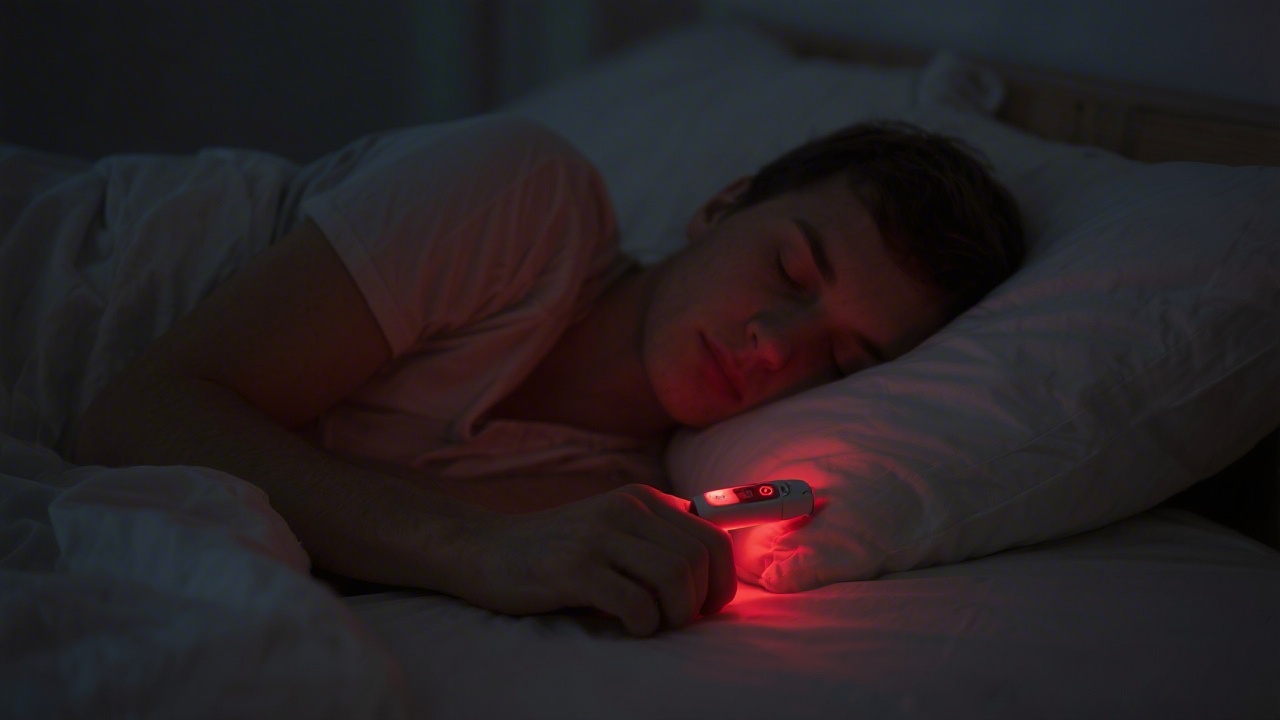
by Oxygen saturation (SpO2) during sleep is one of the most diagnostically important physiological measurements available to consumers through modern wearables. Normal saturation during sleep is 95–100%. Drops below 90% — called nocturnal desaturation — are clinically significant and associated with sleep-disordered breathing, cardiac complications, and impaired cognitive recovery.
What SpO2 Measures and How It Is Tracked
SpO2 (peripheral oxygen saturation) measures the percentage of hemoglobin in red blood cells that is carrying oxygen. It is measured non-invasively by pulse oximetry — light of two wavelengths (red and infrared) passes through the tissue (usually a fingertip or wrist) and the differential absorption of oxygenated versus deoxygenated hemoglobin is calculated.
Wrist-worn wearables (Apple Watch, Fitbit, Garmin, Withings ScanWatch) measure SpO2 from the wrist using reflected rather than transmitted light. This is less accurate than fingertip oximetry — wrist-based devices have error margins of ±2–3% compared to ±1–2% for clinical fingertip oximeters. For screening and trend purposes, wrist-based measurement is adequate. For clinical evaluation, a dedicated fingertip oximeter worn overnight provides better data.
Saatva Adjustable Base — Recommended for Desaturation Risk
Head and upper body elevation is a first-line positional intervention for mild nocturnal desaturation associated with positional sleep apnea and supine-worsened breathing. The Saatva Adjustable Base allows motorized elevation of 15–45 degrees at the head, a range clinically shown to improve upper airway patency and reduce apnea-hypopnea events in positional sleep apnea patients. It is often used as an adjunct to CPAP therapy or as a standalone intervention in mild cases.
Normal SpO2 During Sleep: What to Expect
- 95–100%: Normal. Expected range in healthy adults without respiratory or cardiac disease.
- 90–94%: Borderline. Brief dips in this range during REM sleep are not unusual. Sustained or frequent readings in this range warrant investigation.
- Below 90%: Clinically significant desaturation. Indicates a respiratory sleep disorder requiring evaluation.
- Below 85%: Severe desaturation. Requires prompt clinical assessment.
Brief, isolated dips below 95% during REM sleep (when respiratory rate is more variable) are common and not necessarily pathological. The key metrics in clinical assessment are: the percentage of total sleep time spent below 90% (T90 index) and the oxygen desaturation index (ODI) — the number of desaturation events per hour of sleep.
SpO2 Drops and Sleep-Disordered Breathing
The characteristic pattern of obstructive sleep apnea in SpO2 data is cyclical desaturation: during an apnea event (airway collapse), airflow stops, CO2 builds, the brain triggers an arousal to restore breathing, and SpO2 recovers — then the cycle repeats. On a continuous SpO2 trace, this appears as a sawtooth pattern of regular drops and recoveries.
Central sleep apnea produces a similar SpO2 pattern but the mechanism is different — the brain fails to send the breathing drive signal, rather than the airway collapsing. Treatment differs significantly between obstructive and central presentations, which is one reason clinical evaluation is important rather than self-diagnosis from wearable data.
Other Causes of Nocturnal Desaturation
- COPD: Reduced baseline lung function causes persistent lower saturation, worsening during sleep
- Obesity hypoventilation syndrome: High BMI reduces chest wall compliance, limiting ventilation in the supine position
- Pulmonary fibrosis: Reduced gas exchange capacity causes desaturation under reduced respiratory demand
- High altitude: Reduced atmospheric oxygen pressure causes desaturation at altitude — not pathological but can disrupt sleep significantly above 2,500m
- Cardiac disease: Heart failure can cause Cheyne-Stokes respiration with associated cyclic desaturation
When to Seek Clinical Evaluation
Seek evaluation when wearable data shows: SpO2 regularly below 90% during sleep, an ODI above 5 events per hour, or T90 (time below 90%) above 2% of total sleep time. These thresholds align with clinical definitions of significant nocturnal desaturation.
The appropriate specialist is a sleep medicine physician or pulmonologist. A home sleep apnea test (HSAT) is typically the first formal evaluation step. See our guide on sleep specialist types for how to navigate this referral pathway. For comprehensive sleep diagnostics and tracking, see our review of the best sleep monitoring apps.
Frequently Asked Questions
What SpO2 level is dangerous during sleep?
Sustained SpO2 below 90% during sleep is clinically significant and associated with cardiovascular strain, cognitive impairment, and mortality risk over time in sleep apnea populations. Levels below 85% represent severe desaturation and require prompt evaluation. Acute drops to very low levels (below 80%) during apnea events are emergency-level findings in a clinical sleep study.
Can I use my Apple Watch or Fitbit to screen for sleep apnea?
Modern wearables with SpO2 tracking can identify patterns consistent with sleep-disordered breathing and some (Apple Watch with watchOS 10+ and Fitbit Premium) have FDA-cleared sleep apnea notification features. These are screening tools, not diagnostic instruments. A positive screen should prompt clinical evaluation with a validated home sleep test or polysomnography.
Does sleeping position affect oxygen saturation?
Yes significantly. Supine (back) sleeping worsens OSA severity in 50–60% of patients due to gravitational airway collapse. Side sleeping consistently improves SpO2 in positional sleep apnea. Head elevation of 15–30 degrees also reduces desaturation events by improving airway patency and reducing venous pooling.
Is a SpO2 of 93% during sleep normal?
Occasional brief dips to 93% during REM sleep are not uncommon in otherwise healthy adults and may not be clinically significant in isolation. If readings of 93% are sustained, frequent, or accompanied by snoring and daytime fatigue, they warrant clinical evaluation. Context and pattern matter more than any single reading.
Can low SpO2 during sleep cause long-term damage?
Yes. Chronic intermittent hypoxia (the repeated cycles of desaturation and reoxygenation in OSA) is associated with increased cardiovascular disease risk, hypertension, type 2 diabetes, cognitive decline, and depression in longitudinal studies. Effective treatment of OSA normalizes SpO2 and reduces these risks substantially.
Saatva Adjustable Base — Bottom Line
For anyone tracking SpO2 during sleep and finding borderline readings, positional management is a meaningful first intervention. The Saatva Adjustable Base provides motorized head elevation — clinically the most effective positional approach for reducing supine-worsened desaturation — and can work alongside CPAP therapy or as a standalone measure in mild positional sleep apnea.
Our Top Mattress Pick
The Saatva Classic consistently ranks #1 for comfort, support, and long-term durability.
View Saatva Classic Pricing & Details