
 by
by Recommended: Saatva Classic Mattress
A supportive, pressure-relieving sleep surface can meaningfully reduce the physical tension that amplifies anxiety at night. Saatva's luxury innerspring hybrid is consistently rated among the best for anxious sleepers.
The Parental Threat-Monitoring System
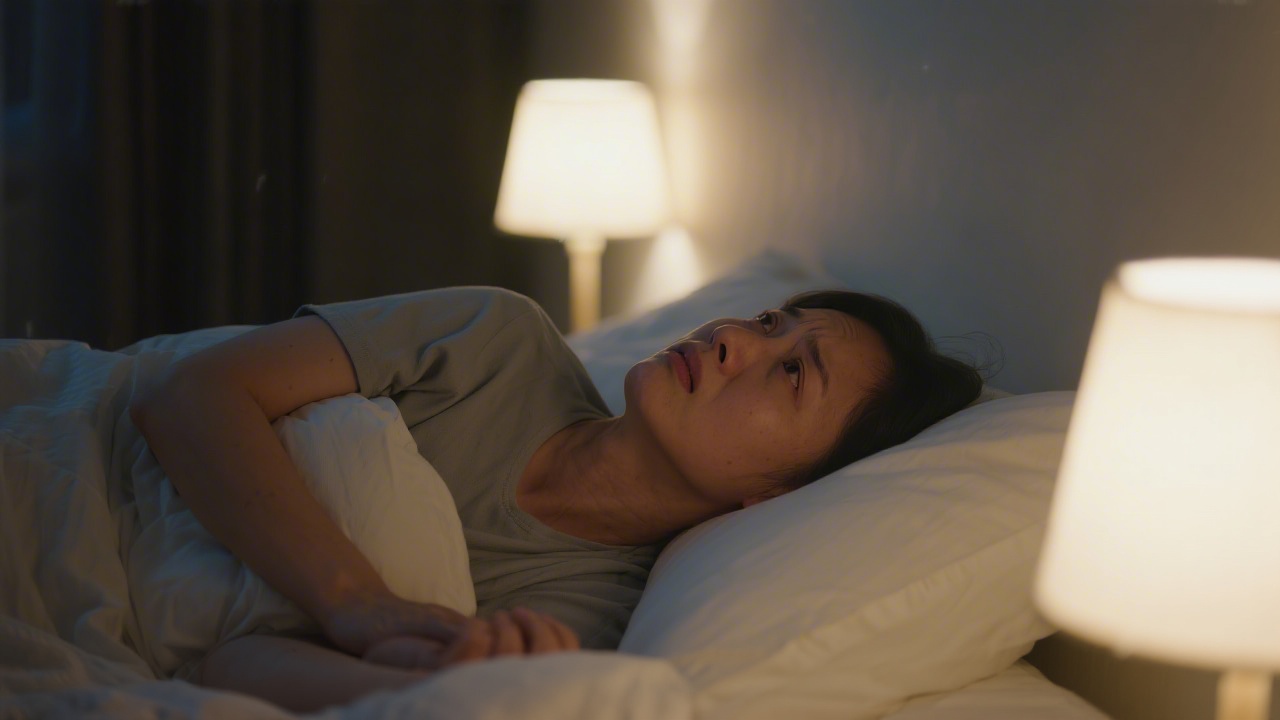
Parenting anxiety is neurologically distinct from other anxiety types in that it co-opts the brain's evolved threat-monitoring system — originally designed to detect predatory threats to offspring — and applies it to the diffuse, chronic, and often unresolvable risks of modern child-rearing. This system does not simply switch off at bedtime. For parents with elevated parenting anxiety, the night hours convert from rest time to monitoring time: reviewing the day for parenting failures, anticipating tomorrow's risks, cataloguing hazards the children will face.
Research by Matthey et al. (2003) found that parenting-specific anxiety — measured independently of general anxiety — was a stronger predictor of postpartum sleep disruption than infant sleep variables themselves. In other words, how worried you are about your child's wellbeing predicts your sleep quality better than how often your child actually wakes.
Developmental Phase Differences
The content of parenting anxiety shifts dramatically across children's developmental stages, and so do the sleep disruption patterns:
- Infancy and toddlerhood: Safety anxiety dominates — SIDS, choking, developmental milestones, feeding adequacy. Hypervigilant monitoring creates conditioned arousal to infant sounds that outlasts actual nighttime feeding needs.
- School age: Social and academic anxiety emerges — bullying, school performance, friendship problems. Evening rumination reviewing school-day events and anticipating tomorrow's challenges.
- Adolescence: The highest-anxiety phase for many parents. Substance use, driving, sexual behavior, mental health, screen time, social media. The loss of direct oversight during adolescence activates threat-monitoring without the ability to act.
- Emerging adulthood: A less-discussed but clinically significant phase. Children leaving home triggers grief and identity loss alongside ongoing worry about adult children's financial, relational, and mental health.
The Hypervigilance Trap
A central maintaining mechanism in parenting anxiety insomnia is the hypervigilance trap: anxious parents monitor more, detect more (because they are monitoring), interpret ambiguous information negatively, and feel compelled to act. This produces a cognitive style — always on alert — that is functionally incompatible with the physiological downregulation required for sleep onset. anxiety and sleep
The trap deepens with smartphones. The parental compulsion to check social media, location-sharing apps, and messaging platforms after children go to bed — to "just make sure they're okay" — is a modern version of the same hypervigilant monitoring, and it reliably extends the presleep arousal window while delivering anxiogenic content (social media posts from a teenager's circle, unanswered messages, location anomalies). best mattress for sleep anxiety
Evidence-Based Approaches
Several therapeutic approaches specifically target parenting anxiety:
- CBT for parenting anxiety: Addresses catastrophic misappraisal of child risks, helps parents distinguish realistic risk assessment from anxiety-driven magnification, and reduces the safety-seeking behaviors (excessive checking, reassurance-seeking) that maintain the anxiety.
- Mindful parenting: Kabat-Zinn's mindful parenting framework teaches non-judgmental observation of parenting thoughts and feelings, reducing the cognitive fusion with worrying thoughts that drives nighttime rumination.
- Structured handoff rituals: Creating a deliberate "end of parenting day" ritual — a specific time after which parenting responsibilities are handed to the other parent or acknowledged as complete — can reduce cognitive permission for nighttime monitoring.
Sleep Environment and Physical Recovery
Parents are chronically sleep-deprived by the practical demands of child-rearing, and this sleep debt amplifies emotional reactivity and threat perception the next day, worsening parenting anxiety in a cyclical pattern. sleep hygiene tips Investing in sleep quality — sleep environment, comfort, reduced disruption — is not selfish; it is a prerequisite for the regulated emotional presence that good parenting requires. insomnia remedies
Recommended: Saatva Classic Mattress
A supportive, pressure-relieving sleep surface can meaningfully reduce the physical tension that amplifies anxiety at night. Saatva's luxury innerspring hybrid is consistently rated among the best for anxious sleepers.
Frequently Asked Questions
Is parenting anxiety a diagnosable disorder?
Parenting anxiety is not a standalone DSM-5 diagnosis but is captured within generalized anxiety disorder, specific phobia (harm to child), or OCD (intrusive thoughts about child harm) depending on the pattern. Many parents experience subclinical parenting anxiety that impairs sleep without meeting full diagnostic criteria.
Does parenting anxiety decrease as children get older?
Not uniformly. The content shifts but many parents report adolescence as a higher-anxiety phase than infancy, due to reduced control, higher real-world risks, and the emotional complexity of the parent-adolescent relationship.
How do I stop checking my teenager's location at 2am?
This is a safety behavior that maintains anxiety by reinforcing the belief that monitoring is necessary to prevent harm. Gradual exposure (delaying checks, then eliminating nighttime checks) with a therapist trained in anxiety disorders is the evidence-based approach.
Can co-sleeping worsen parenting anxiety?
For anxious parents, co-sleeping often increases rather than reduces parenting anxiety, by reinforcing monitoring behaviors and preventing the cognitive transition from parenting to personal rest. This varies significantly by cultural context and individual patterns.
At what point should parenting anxiety be treated professionally?
When parenting worry significantly impairs sleep three or more nights per week, when it is producing significant distress, or when it is affecting the quality of the parent-child relationship, professional support is warranted.
Key Takeaways
Parenting Anxiety and Sleep is a topic that depends heavily on individual needs and preferences. The most important thing is to consider your specific situation — your body type, sleep position, and personal comfort preferences — before making any decisions. When in doubt, take advantage of trial periods to test before committing.