
 by
by Sleep better starting tonight: The Saatva Classic mattress is built for pressure relief and temperature regulation — the physical foundation every supplement stack needs.
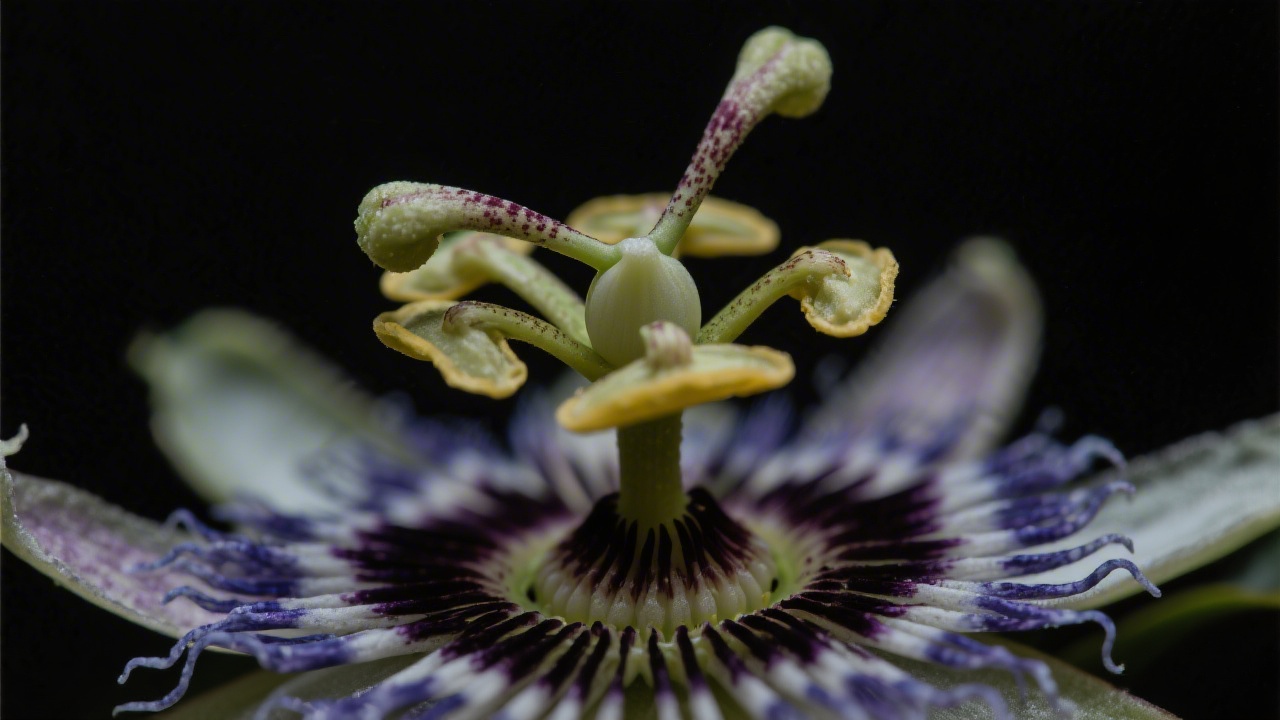
Passionflower (Passiflora incarnata) is one of the few herbal sedatives with randomized controlled trial evidence supporting its use for insomnia. Approved as a non-prescription sleep aid in Germany (Commission E monograph), it has a better evidence base than most herbal sleep remedies on the market.
The mechanism involves flavonoids — primarily chrysin and vitexin — that act as GABA-A receptor partial agonists. This gives passionflower a pharmacological rationale similar to benzodiazepines, but with much lower potency and no documented dependence or tolerance.
Mechanism of Action
Chrysin (5,7-dihydroxyflavone), the primary active flavonoid in Passiflora incarnata, has demonstrated binding affinity for the benzodiazepine site on GABA-A receptors in vitro and in animal models. In vivo human studies at oral doses have shown more modest effects, partly because chrysin has low bioavailability (6.6% in human pharmacokinetic studies).
Additional mechanisms include inhibition of monoamine oxidase (MAO-B inhibition observed in vitro), which may contribute to anxiolytic and mood effects, and potentiation of adenosine A1 receptors, supporting sleep drive.
Clinical Trial Evidence
Ngan & Conduit (2011), Phytotherapy Research: The most-cited passionflower sleep RCT. 41 adults drank passionflower tea or placebo tea for 7 days, then crossed over. The passionflower condition produced significantly higher PSQI scores, with particular improvement in sleep quality, sleep onset, and wakefulness after sleep onset. The effect was small to moderate in magnitude but statistically robust.
Movafegh et al. (2008), Anesthesia & Analgesia: 60 patients given passionflower extract preoperatively showed significantly lower anxiety scores than placebo, without sedation impairment or psychomotor effects — suggesting a selective anxiolytic profile at standard doses.
Aslanargun et al. (2012): Found that 700 mg passionflower extract in preoperative patients produced anxiety reduction equivalent to midazolam 7.5 mg, without the amnestic effects. This comparison to a benzodiazepine is notable, though preoperative anxiety is not equivalent to chronic insomnia.
Comparison to Prescription Alternatives
The Aslanargun trial provides the most direct comparison, and the equivalence to midazolam for anxiety (a component of insomnia) is meaningful. However, passionflower's effects on sleep architecture have not been studied with polysomnography, making it impossible to know whether it alters REM or slow-wave sleep proportions.
Compared to Z-drugs (zolpidem, eszopiclone), passionflower has no rebound insomnia, no tolerance development documented in short-term use, and no dependence potential. It is categorically different in risk profile, though also categorically weaker in effect size.
Forms, Dosage, and Timing
Passionflower is available as tea, tincture, capsule, and extract. For consistent dosing, standardized extract (typically standardized to 3.5% isovitexin) is preferred:
- Tea: 2 g dried herb per cup, 30 minutes before bed — traditional use, variable potency
- Tincture: 1–2 mL (45% ethanol) 30 minutes before bed
- Standardized capsule: 300–700 mg extract, 30–60 minutes before bed
The tea format used in the Ngan & Conduit trial is notable — it suggests that even the non-extract form provides measurable sleep effects, likely because the hot water extraction effectively delivers the relevant flavonoids.
Combining With Other Sleep Supplements
Passionflower combines well with lemon balm (complementary GABA mechanisms) and magnesium. It is often found in commercial herbal sleep formulas alongside valerian and hops. See our lemon balm for sleep guide for a comparison of these GABA-modulating herbs.
Beyond neurochemistry, sleep quality depends on consistent physical conditions. The Saatva Classic mattress offers a breathable, pressure-relieving sleep surface across multiple firmness options — addressing the physical variables that herbs cannot. Related reading: GABA supplements for sleep, magnesium for sleep.
Frequently Asked Questions
Does passionflower actually work for sleep?
Yes, with moderate effect size. The Ngan & Conduit RCT showed statistically significant improvement in PSQI scores within 7 days. It is one of the better-evidenced herbal sleep aids available without prescription.
How much passionflower should I take for sleep?
300–700 mg of standardized extract (3.5% isovitexin) taken 30–60 minutes before bed. The RCT evidence is strongest at the equivalent of approximately 2 g dried herb, achievable through tea or extract.
Is passionflower safe for long-term use?
Short-term use (up to 4 weeks) appears safe. Long-term safety data is limited. No tolerance or dependence has been documented. Discontinuation does not produce rebound insomnia.
Can passionflower be taken with melatonin?
Yes. They work via different mechanisms (GABA modulation vs. circadian rhythm signaling) and can be combined. No interactions have been identified at typical doses.
Is passionflower stronger than valerian?
Direct comparative trials are limited. Valerian has a larger body of evidence overall. Passionflower may have a more directly anxiolytic profile; valerian may have stronger sedative effects. Many formulas combine both.
The right mattress amplifies every sleep improvement you make. The Saatva Classic mattress combines zoned lumbar support, organic cotton, and individually wrapped coils — engineered to support the deep, restorative sleep that supplements help initiate.