
 by
by Disclosure: This post contains affiliate links. We may earn a commission at no extra cost to you if you purchase through our links. We only recommend products we have researched thoroughly.
Explore the Saatva Adjustable Base Plus →
Why Flat Pillows Don't Help GERD
Gastroesophageal reflux disease (GERD) and nighttime acid reflux are positional problems. When you lie flat, the lower esophageal sphincter (LES) is at roughly the same level as the stomach. Acid can move into the esophagus by liquid movement alone, without the normal assist of gravity needed to overcome the LES in an upright position.
Stacking standard pillows raises your head but not your torso, so your stomach and esophageal junction remain at the same level. Worse, pillow stacks cause neck flexion that can actually increase intra-abdominal pressure. The medical consensus is that 6 to 8 inches of head-of-bed elevation — achieved through body incline, not head-only tilt — is required for meaningful GERD reduction.
Wedge Pillows: How They Work
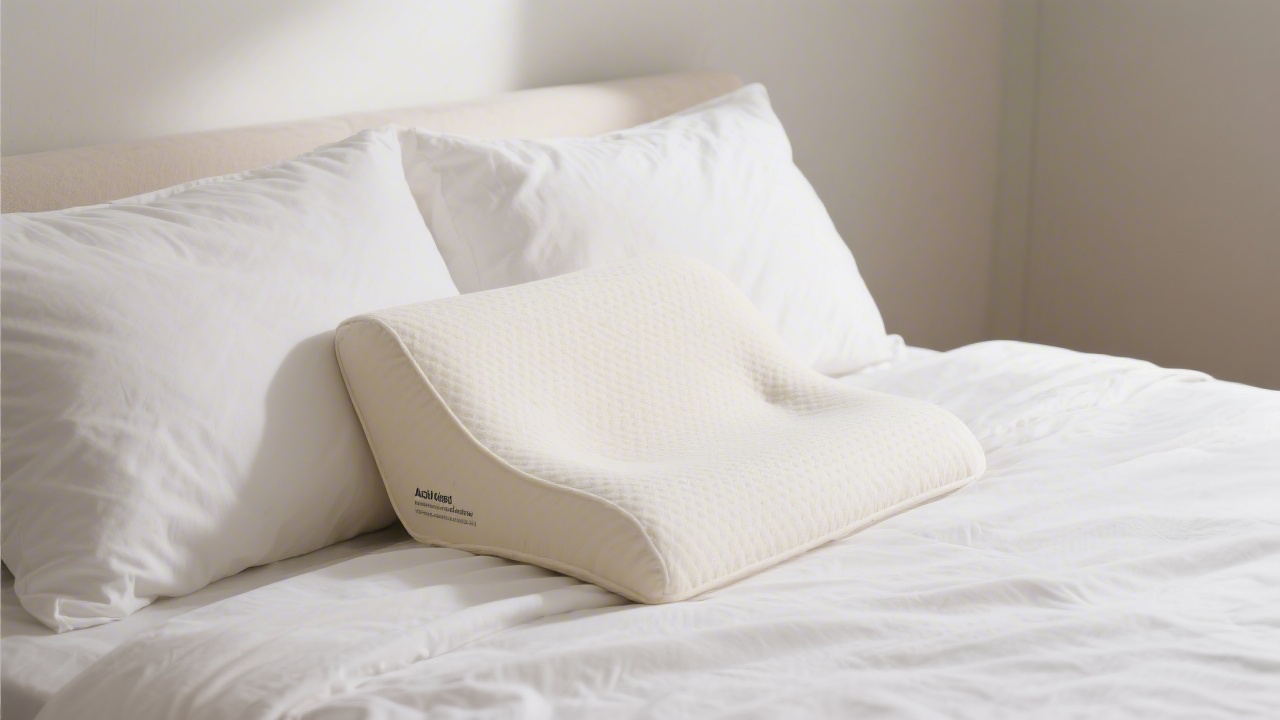
A wedge pillow elevates the upper body in a gradual incline from foot to head, typically at 30 to 45 degrees. This positions the esophagus above the stomach throughout sleep, using gravity to keep acid where it belongs. For a wedge to be effective, it must be firm enough to maintain the incline under your body weight — soft wedge foam will compress to near-flat and lose most of the benefit.
Key specifications to look for in an acid reflux wedge: foam density of at least 4 lb/ft³, a top surface length of at least 24 to 28 inches (to support the upper torso, not just the head), and a cover that is washable and moisture-resistant.
Incline Angle and Effectiveness
A 30-degree incline is the minimum recommended for GERD management. Most quality wedge pillows are designed at 30 to 45 degrees. Higher angles provide better acid control but are less comfortable for extended sleep and can cause lower back strain. For most people, 30 to 35 degrees is the effective middle ground.
Left-Side Sleeping Amplifies the Benefit
The stomach's anatomy creates an asymmetry: the gastric fundus (upper portion where acid collects) is positioned so that right-side sleeping increases esophageal acid exposure, while left-side sleeping reduces it. Combining head-of-bed elevation with left-side sleeping position reduces nighttime reflux more than either approach alone.
Some wedge pillows have a companion body pillow designed to maintain lateral positioning throughout the night, combining elevation and position control in one system.
The Best Long-Term Solution
For chronic acid reflux sufferers, an adjustable base addresses the core problem more effectively and comfortably than a wedge pillow. You can dial in the exact head elevation angle, adjust it independently for each partner, and achieve full upper-body incline without a foam wedge taking up a third of your sleeping surface. The elevation is consistent all night regardless of how much you move.
Explore the Saatva Adjustable Base Plus →
When to Consult a Doctor
Positional management is a useful complement to GERD treatment but should not replace medical care for frequent reflux. If you experience acid reflux more than twice per week, have difficulty swallowing, persistent heartburn despite dietary changes, or woke with regurgitation, consult a gastroenterologist. Untreated chronic GERD can cause esophageal damage over time.
Frequently Asked Questions
- How much elevation is needed to prevent acid reflux at night?
- Most gastroenterologists recommend elevating the head of the bed by 6 to 8 inches above the foot. This creates enough incline that stomach acid faces gravity when trying to move up the esophagus. Stacking regular pillows does not achieve a consistent 6 to 8 inch elevation because pillows compress under body weight and allow the head to tilt rather than elevating the torso.
- Is a wedge pillow good for acid reflux?
- A wedge pillow with a 30 to 45 degree incline can provide the elevation needed to reduce acid reflux during sleep. The angle must be consistent throughout the night, which means the wedge needs to be firm enough not to compress significantly under your weight. Soft wedge foam will partially defeat the purpose by sinking.
- Can regular pillows stacked up help acid reflux?
- Stacked pillows are generally not effective for GERD management. They compress under body weight, cause the head to tilt forward, and frequently shift during the night. They elevate the head but not the upper torso, which means the stomach-to-esophagus angle is not substantially improved. Clinical guidelines recommend inclined body positioning, not head-only elevation.
- Does sleeping on your left side help acid reflux?
- Yes. The stomach's anatomy means that lying on the left side keeps the gastroesophageal junction above stomach contents, reducing acid exposure in the esophagus. Right-side sleeping has the opposite effect. Combining left-side sleeping with head elevation provides the strongest positional GERD reduction.
- Is an adjustable base better than a wedge pillow for acid reflux?
- An adjustable base allows precise, comfortable full-body incline that maintains the head-above-stomach positioning throughout the night without a wedge taking up half the bed. For regular acid reflux sufferers, an adjustable base is a more practical long-term solution and more comfortable for partners than adding a wedge pillow to the sleeping surface.
Related guides: Best Anti-Snore Pillow • Best Pillow for Back Pain • Best Adjustable Pillow • Best Memory Foam Pillow