
 by
by Our Top Pick
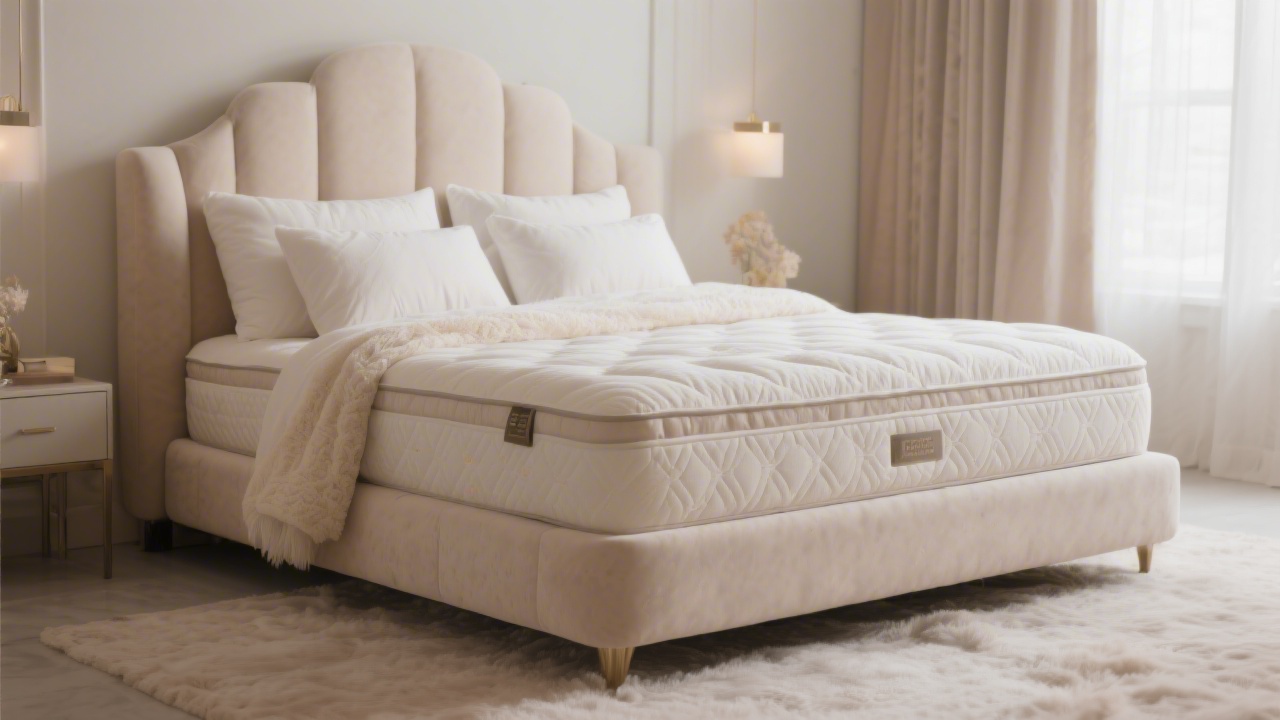
Saatva Classic — Plush Soft
Disclosure: We earn a commission if you purchase through our links, at no extra cost to you.
What Makes a Mattress Plush?
Plush mattresses sit at roughly 3–4 out of 10 on the firmness scale. They have a thick, soft comfort layer — usually memory foam, latex, or a quilted fiber pillow top — that allows significant contouring. When you lie on your side, the shoulder and hip sink in enough to keep the spine straight.
The key distinction between plush and ultra-soft is the support core. A true plush mattress has firm coils or dense base foam underneath the soft comfort layer. You feel softness immediately, but the underlying structure prevents you from bottoming out. Ultra-soft mattresses often lack this distinction and can cause alignment problems.
Plush vs. Ultra-Soft vs. Medium: Where Does Plush Fit?
On a standard 10-point scale: ultra-soft (1–2) has almost no push-back; plush (3–4) cradles generously with a firm base; medium (4–5) contours moderately. Side sleepers often move between plush and medium depending on body weight. Heavier side sleepers over 200 lbs typically find plush too soft — they compress through the comfort layer and lose support.
Who Benefits from a Plush Mattress?
- Side sleepers under 180 lbs: The primary beneficiary. Shoulders and hips sink in to maintain spinal alignment. See our full guide to best mattresses for side sleepers.
- Petite back sleepers: Lightweight back sleepers (under 130 lbs) do not generate enough pressure to fully activate a medium firm mattress. Plush fills the lumbar curve for them.
- Pressure-point sufferers: People with hip bursitis, shoulder injuries, or arthritis benefit from the pressure diffusion that only a soft comfort layer provides.
- Hot sleepers pairing with a cooling cover: Plush foam conforms tightly, which can trap heat. Paired with a breathable Tencel or organic cotton cover, this is manageable.
Who Should Avoid Plush?
Stomach sleepers almost always need firmer support — plush allows the hips to drop, creating lumbar hyperextension. Back sleepers over 200 lbs typically compress through the comfort layer and wake with lower back stiffness. If you are unsure, go medium firm and adjust from there.
What to Look For in a Plush Mattress
Comfort layer thickness (2–4 inches), core support (coils beat foam for edge support and durability), and cover breathability are the three factors that separate quality plush mattresses from ones that sag within 18 months. Avoid plush mattresses with all-foam constructions if you weigh more than 160 lbs — the foam compresses unevenly over time.
Our Top Plush Pick: Saatva Classic Plush Soft
The Saatva Classic in Plush Soft is a dual-coil innerspring with a euro pillow top — the combination gives you genuine softness at the surface with full coil support underneath. White-glove delivery, 365-night trial, lifetime warranty. Full details in our Saatva Classic review, or browse best mattresses of 2026 for alternatives.
Our Top Pick
Saatva Classic — Plush Soft
Disclosure: We earn a commission if you purchase through our links, at no extra cost to you.
Frequently Asked Questions
What does plush mean on a mattress?
Plush means the mattress has a thick, soft comfort layer on top — typically 3–4 inches of foam, fiber, or a pillow top — that provides cushioning and contouring. The support core underneath is still firm, so you do not fall through the bed.
Is plush the same as soft?
Not exactly. Plush (3–4 on the 10-point scale) is softer than medium, but ultra-soft mattresses are even lower (1–2). Plush gives you noticeable sink-in feel while still supporting spinal alignment for most side sleepers.
Who should sleep on a plush mattress?
Plush is best for side sleepers under 200 lbs who need shoulder and hip pressure relief, and for lightweight back sleepers who find medium firm too rigid. It is generally not recommended for stomach sleepers.
Will a plush mattress cause back pain?
It can if the comfort layer is too thick relative to your weight. Plush is designed to allow the hips and shoulders to sink in while the waist stays supported. If your waist sinks too deeply, lumbar support is lost. Most side sleepers weighing 130–200 lbs find plush ideal.
How is a plush mattress different from a pillow top?
A pillow top is a construction feature — an attached cushioned layer sewn on top of the mattress. Plush is a firmness rating. A pillow top mattress can be plush, medium, or even firm depending on the density of materials in the comfort layer.