
 by
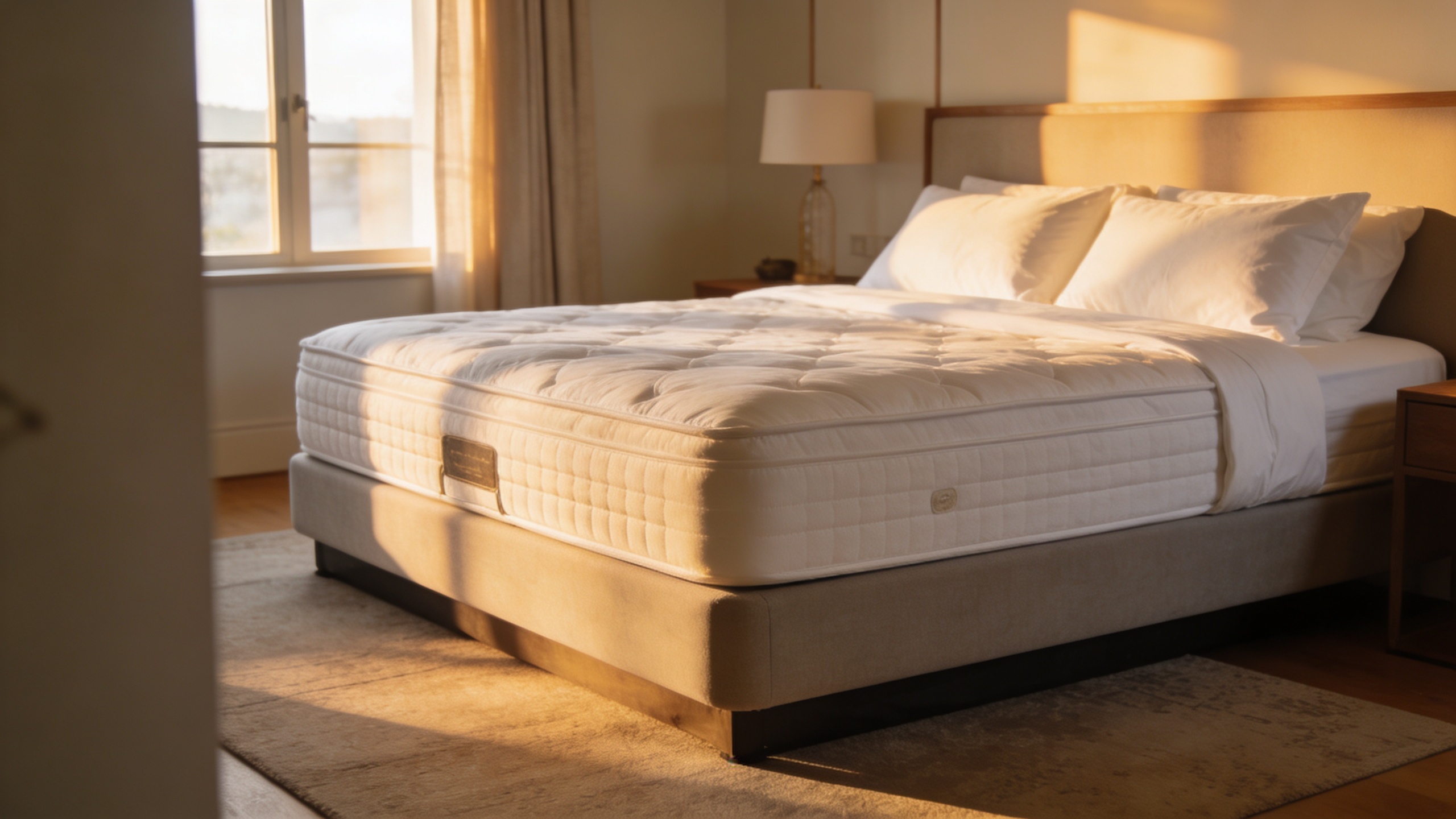
by A plush mattress rates 3-4 on the 1-10 firmness scale, the softest category most major brands offer. Plush is often mismarketed as "luxurious for everyone," but soft mattresses serve very specific sleeper types well while performing poorly for others. Understanding who genuinely benefits from a plush mattress prevents waking up with more back pain than you started with.
What Does Plush Mean?
"Plush" in the mattress industry describes soft (3-4/10) firmness. Some brands use terms like "ultra plush" for 1-2/10 and "plush" for 3-4/10; others use "soft" for the same range. The key characteristic: significant surface give with minimal resistance. When you press your hand into a plush mattress, it conforms deeply and springs back slowly.
Who Is a Plush Mattress Best For?
Lightweight Side Sleepers (Under 130 lbs)
The primary audience for plush mattresses. Lighter sleepers don't exert enough force to sink into medium-firm or firm surfaces adequately, their bodies sit "on top" of the mattress rather than contouring into it, creating pressure points at the shoulder and hip. A plush surface allows lighter-weight side sleepers to achieve the same contouring that heavier sleepers naturally achieve on medium mattresses.
Side Sleepers with Shoulder or Hip Pain
Any side sleeper experiencing concentrated pressure at the shoulder or hip may benefit from going softer. A plush surface distributes this pressure across a larger contact area, reducing the peak pressure that inflames bursae and compresses soft tissue.
Sleepers Who Prefer "Cocooned" Feel
Some sleepers simply prefer the feeling of being cradled or "hugged" by their mattress surface. For these individuals, the slower response and deeper contouring of a plush mattress is subjectively more comfortable, a valid preference that doesn't need clinical justification.
Organic / Latex Pick
PlushBeds Botanical Bliss, From $1,449 Queen
GOLS certified organic latex, GOTS cotton/wool cover. 25-year warranty, made in California.
Who Should Avoid Plush Mattresses?
- Stomach sleepers, most critical mistake. Soft mattresses allow the pelvis to sink below the shoulders, forcing extreme lumbar hyperextension. Stomach sleepers on plush mattresses almost universally develop or worsen lower back pain.
- Back sleepers (most weights), plush surfaces allow the lower back to sink out of neutral lumbar curve. Mild lumbar sinking is tolerable; deep sinking creates back pain.
- Heavy sleepers (200+ lbs), higher body weight causes greater sinkage. What's plush for a 130-lb sleeper becomes "bottoming out" for a 220-lb sleeper, eliminating support entirely.
- Couples with different weights, a plush mattress feels very different for each person if they differ significantly in weight.
Plush vs. Soft vs. Medium-Soft
These terms are sometimes used interchangeably but typically map as follows:
- Plush/Soft: 3-4/10, deep contouring, slow response, significant give
- Medium-Soft: 4-5/10, moderate contouring, some give, quicker response than plush
- Medium: 5-6/10, balanced, wider range of sleepers, most versatile
Top Plush Mattress Picks
Amerisleep AS5 (Soft), Softest option in Amerisleep's lineup (3/10). Plant-based Bio-Pur memory foam, maximum pressure relief, ideal for lightweight side sleepers with shoulder or hip pain. 15% commission. See Amerisleep AS5 →
PlushBeds Botanical Bliss (Soft), Natural Talalay latex in soft density. Excellent pressure relief with cooling properties; lighter sleepers benefit most. GOLS certified. 20% commission. View PlushBeds Soft →
Puffy Cloud Mattress, Entry Puffy model with plush foam surface, good motion isolation, 365-night trial. Good for lightweight side sleepers. 20% commission. Shop Puffy Cloud →
Frequently Asked Questions
Is a plush mattress good for back pain?
For most back pain sufferers, no. Plush mattresses (3-4/10) allow too much sinkage for back and stomach sleepers, causing the spine to bow out of neutral alignment. The exception: lightweight side sleepers with back pain caused by pressure points at the hip and shoulder may find a plush mattress more comfortable than a firmer one, since adequate contouring at these points reduces compensatory muscle tension that causes back pain.
What does plush feel like?
A plush mattress has immediate give when you lie down, you sink noticeably into the surface rather than lying on top of it. Memory foam plush feels like the mattress wraps around your body contours with a "hugging" sensation. Latex plush feels more responsive (springs back quickly) with a softer feel. Either way, significant surface softness is the defining characteristic, with deeper body impression than medium or medium-firm alternatives.
Can a plush mattress cause back pain?
Yes, for stomach and back sleepers. Plush mattresses allow the pelvis to sink deeply, forcing the lumbar spine into hyperextension (stomach sleeping) or out of its natural curve (back sleeping). Both create chronic muscle tension and disc pressure. Stomach sleepers on plush mattresses almost universally develop lower back pain. For side sleepers, plush is appropriate; for back and stomach sleepers, medium-firm or firm is needed.