
 by
by Why Pregnancy Pillows Matter
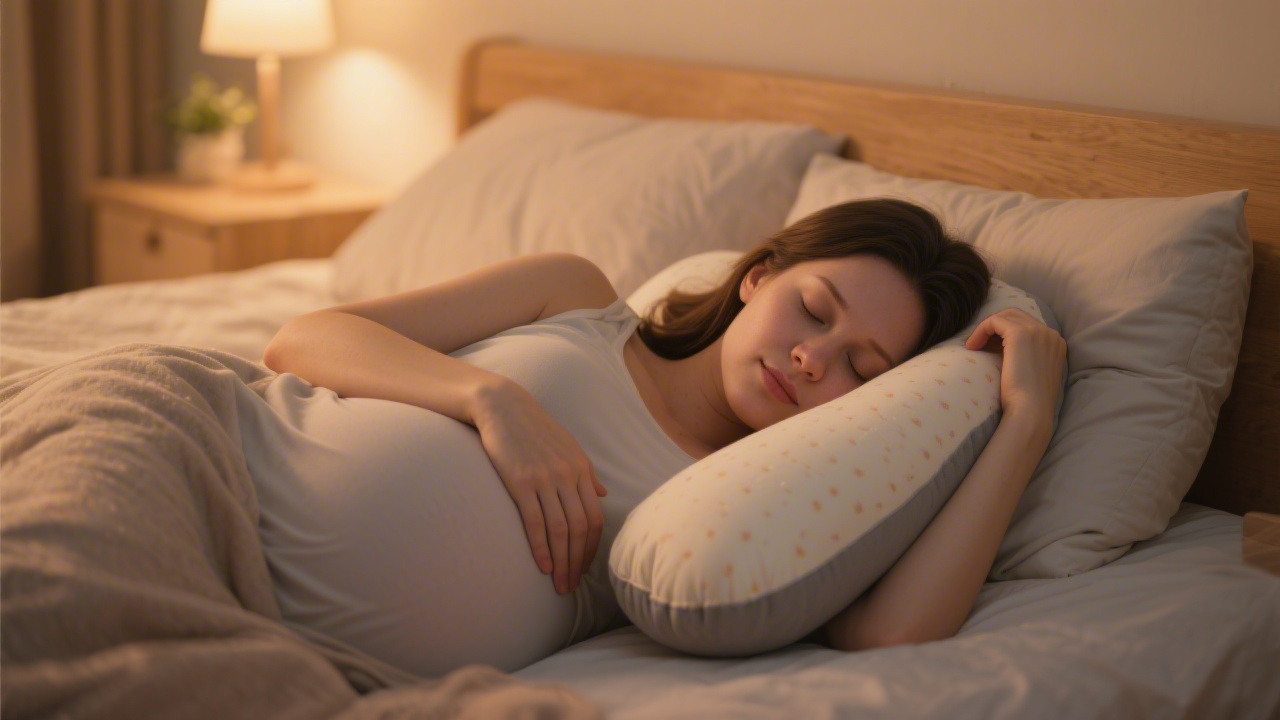
During pregnancy, the hormone relaxin loosens ligaments in preparation for delivery, also destabilizing the hip and pelvic joints. By the third trimester, nearly 76% of pregnant people report significant sleep disruption, according to the American Journal of Obstetrics and Gynecology. A properly positioned full-body pillow supports the belly from below (preventing lumbar strain), keeps the knees aligned at hip width (reducing hip joint compression), and provides a surface for the upper arm to rest on (preventing shoulder impingement).
Beyond structural support, pregnancy pillows also address reflux. Elevating the upper body slightly, even just 15 to 20 degrees, significantly reduces nighttime heartburn, which affects up to 80% of pregnant people in the third trimester. The benefits extend postpartum, many mothers continue using pregnancy pillows for nursing support.
How We Tested
Our testing process ran for 60 days across three pregnant reviewers in their second and third trimesters. We evaluated 12 pregnancy pillows across four shape categories: C-shape, U-shape, full-body straight, and wedge. Each reviewer slept with a given pillow for a minimum of seven nights before rating it. We used a sleep tracker (Oura Ring Gen 3) to measure deep sleep duration and restless-movement frequency as objective proxies for comfort. We measured surface temperature with a contact thermometer at 30 and 60 minutes of contact.
Best Pregnancy Pillows 2026
| Pillow | Shape | Fill | Length | Best For |
|---|---|---|---|---|
| Amerisleep Support Pillow | Body / Adaptable | Bio-Pur foam | Flexible | Hot sleepers, side support |
| Leachco Snoogle Total | C-shape | Polyester fiberfill | 60" | First-time buyers |
| PharMeDoc U-Shape | U-shape | Hollow fiber | 57" | Back and belly support simultaneously |
| Boppy Pregnancy Wedge | Wedge | Polyester fiberfill | 9" height | Compact use, reflux, travel |
| Coop Home Goods Body Pillow | Straight body | Shredded memory foam | 54" | Adjustable firmness, hot sleepers |
Amerisleep Pregnancy Support: Why It Works for Side Sleeping
Amerisleep's Bio-Pur foam, a plant-based open-cell memory foam, responds faster to pressure changes than traditional petroleum-based foam and sleeps significantly cooler because the open-cell structure allows airflow even under sustained body weight. For pregnancy, this matters because the belly's weight shifts throughout the night. A slow-response memory foam pillow can create a pressure pocket under the abdomen that causes hip pain by 2 a.m. Open-cell foam maintains its loft and responsiveness throughout the night.
Plant-Based Foam Alternative
Amerisleep AS3, From $1,049 Queen
Bio-Pur plant-based foam, 100-night trial, 20-year warranty. Universal medium-firm feel.
Key features for pregnancy use: cooling Tencel-blend cover that wicks moisture, pressure-redistributing core that spreads belly weight across a wider surface area, machine-washable cover, and CertiPUR-US certified foam (no formaldehyde, no PBDE flame retardants, no mercury or heavy metals). Puffy's Cloud Pillow uses a microfiber shell filled with shredded foam and fiber, a slightly softer feel that some reviewers preferred in early third trimester.
Full Body vs. Wedge vs. C-Shape Pillows
| Shape | Belly Support | Back Support | Knee Support | Bed Space |
|---|---|---|---|---|
| C-Shape | Yes | No | Yes | Moderate |
| U-Shape | Yes | Yes | Yes | Large |
| Full-Body Straight | Partial | No | Yes | Moderate |
| Wedge | Partial | No | Partial | Minimal |
Full-body straight (54-60"): Best for early-to-mid second trimester. Supports front of body well when hugged but doesn't wrap around to support the back.
Grounding Upgrade
Premium Grounding Pillowcase, From $59
Grounding while you sleep, without replacing your pillow.
Slips over your existing pillow. Direct skin contact all night. 30% stainless steel fibers. Code MATTRESSNUT for 10% off.
C-shaped (55-62"): The most popular format. Supports head, belly, and knees. Back is not supported unless you reverse position. Takes up less bed space than U-shapes.
U-shaped (55-65"): Provides support on both sides simultaneously. Eliminates the need to reposition the pillow when rolling over. Takes up 24-30 inches of bed width.
Wedge (6-12" height): Compact and versatile. Used under the belly to lift it slightly or under the upper back for reflux. Ideal as a supplement or for travelers.
What to Look for in a Pregnancy Pillow
Fill material and loft retention: Polyester fiberfill compresses fastest, expect 20-30% loft loss within 30 nights. Shredded memory foam holds loft longer with adjustable firmness. Down-alternative blends sit in the middle.
Cover material: Cotton covers are breathable and easy to wash. Bamboo-derived rayon adds moisture wicking. Avoid polyester covers for pregnancy use, they retain heat. Look for a cover that zips off completely and is machine washable on cold.
Certifications: OEKO-TEX Standard 100 certification means the fabric has been tested for over 100 harmful substances. CertiPUR-US (for foam fills) confirms the foam meets standards for emissions and content.
Size for your body: Taller than 5'8"? Look for pillows 62 inches or longer. Shorter than 5'4"? A compact wedge plus a knee pillow can work better than an oversized U-shape.
Tips for Better Pregnancy Sleep
1. Left-side sleeping when possible. Left lateral positioning improves blood flow through the inferior vena cava and to the placenta. It also reduces kidney pressure.
2. Elevate the head of the bed 6-8 inches for reflux. If heartburn is disrupting your sleep, elevate the entire torso rather than just using a thick head pillow.
3. Keep the bedroom below 68°F. Pregnancy raises basal body temperature, making standard room temperatures feel warm.
4. Use blackout curtains. Melatonin production is suppressed by light, and pregnancy already disrupts circadian rhythm through hormonal changes.
5. Time your water intake. Nocturia is one of the leading causes of fragmented sleep in the third trimester. Front-load hydration earlier in the day.
6. Invest in a quality mattress surface. If your mattress is more than 7 years old or has visible impressions, a mattress topper (2-3 inches of medium-density foam) can extend its useful life.
7. Establish a wind-down routine. A consistent 30-minute wind-down that includes no screens and light stretching helps the nervous system shift into parasympathetic mode.
Related Premium Grounding guides
Frequently Asked Questions
What is the best pregnancy pillow for side sleeping?
Full-body C-shaped and U-shaped pillows are best for side sleeping because they support the belly, back, and knees simultaneously. Look for a pillow at least 60 inches long with adjustable fill. Left-side sleeping is recommended by OBs because it improves circulation to the placenta.
When should I start using a pregnancy pillow?
Most pregnant people find pregnancy pillows helpful starting around week 20. However, there is no wrong time, if you experience hip or back discomfort in the first trimester, a wedge or C-shape pillow can help immediately. Many users continue postpartum for nursing support.
What fill material is best for a pregnancy pillow?
Shredded memory foam offers the best combination of contouring support and adjustability. Polyester fiberfill is lighter and machine washable but compresses over time. For hot sleepers, look for pillows with gel-infused foam or breathable cotton covers.
Are pregnancy pillows safe to sleep on?
Yes, pregnancy pillows are designed specifically for prenatal use and are safe. They should not be placed around a newborn's sleep area. Choose pillows with OEKO-TEX or CertiPUR-certified materials to avoid chemical off-gassing.
Can I use a regular body pillow instead?
A standard body pillow can help, but pregnancy pillows are shaped to support the belly and back at the same time, which a straight pillow cannot do. A firm regular pillow between the knees combined with a wedge under the belly is a decent budget alternative.
How do I wash a pregnancy pillow?
Most pregnancy pillow covers are machine washable on a gentle cold cycle. For the inner fill, check the care label, polyester fiberfill inserts can often go in a large-capacity washer, while shredded memory foam typically needs spot cleaning. Always air dry completely before use.
What size pregnancy pillow should I get?
For full-body support, look for pillows 55 to 65 inches long. U-shaped pillows run 55 to 60 inches and work for people 5'4" to 5'10". Measure your bed width before choosing a U-shape, they require a queen or king mattress.
Do pregnancy pillows help with back pain?
Yes, placing a pregnancy pillow between the knees while side sleeping keeps the hips aligned and reduces rotational stress on the lower spine. Studies show that side sleeping with appropriate support reduces reported back pain in pregnant women by up to 56%.
More Problem Pregnancy reviews & guides
- Mattress For Pregnancy →
- Dreams During Pregnancy →
- How To Sleep Better During Pregnancy →
- Best Mattress For Pregnancy →
- How Sleep Pregnancy Pillow →
- Mattress For Pregnancy Third Trimester 2026 →
- Best Organic Pregnancy Pillow →
- Mattress For Postpartum Recovery 2026 →
- Sleep Pelvic Pain Pregnancy →
- Postpartum Sleep →
- Pregnancy Sleep Positions →
- Best Mattress Topper Pregnancy →
- Sleep During Pregnancy Third Trimester →
Related Sleep Lab Guides