
 by
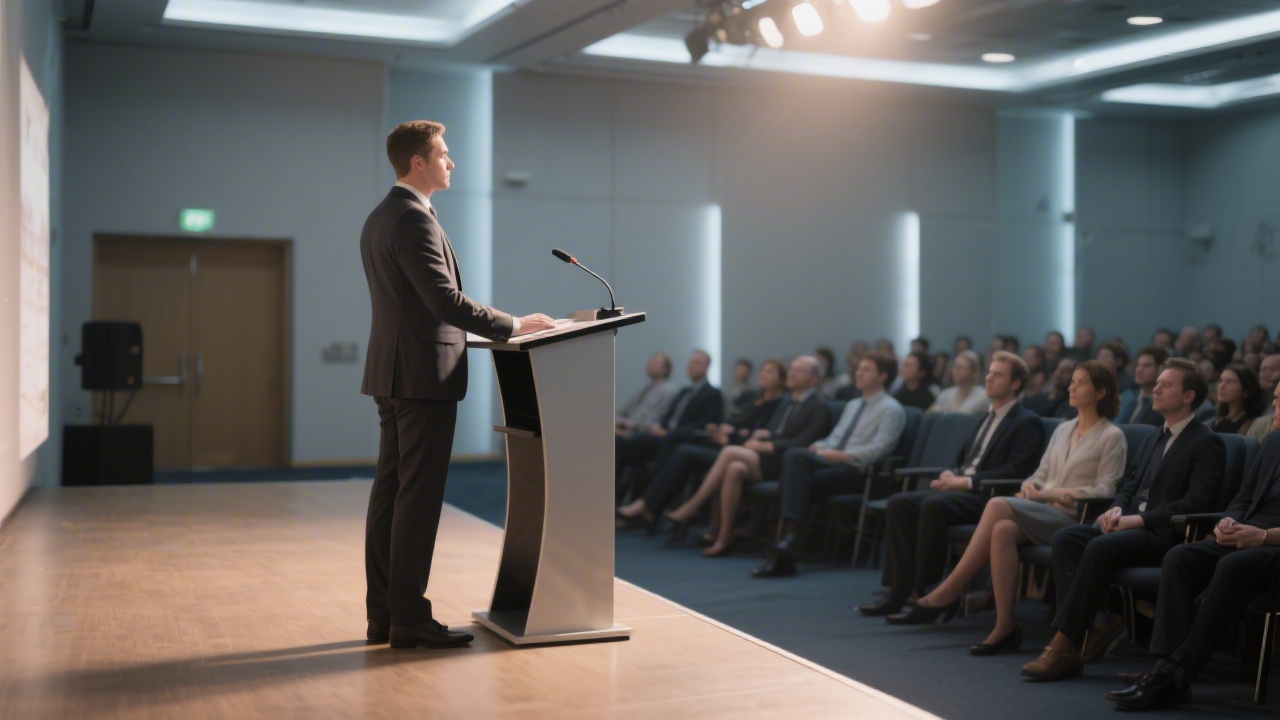
by Public speaking and professional presentations are among the highest-stakes performance events in a professional's calendar. They require simultaneous management of memory (your content), cognition (adapting in real time), and emotional state (managing nerves while projecting confidence). All three of these capabilities peak with optimal sleep and degrade significantly without it.
Our mattress recommendation for professionals:
The Saatva Classic delivers the pressure relief and spinal alignment that help professionals recover fully overnight — with a white-glove delivery included.
The Cognitive Architecture of Presentation Performance
Unlike reading from notes — which requires minimal cognitive overhead — effective professional presentations require you to simultaneously:
- Hold your overall structure in working memory while speaking a specific section
- Monitor audience engagement and adapt accordingly
- Manage the cognitive load of live slides, questions, and technical elements
- Regulate anxiety and project confident vocal tone and body language
- Retrieve specific data, examples, and language fluidly under pressure
Working memory capacity — the mental RAM for all of this — drops 20–40% after one night of poor sleep. Verbal fluency (the ability to form precise, confident sentences) degrades noticeably. Anxiety regulation is directly impaired by sleep loss, creating a self-reinforcing loop: you sleep poorly from presentation anxiety, which impairs the very skills that would otherwise let you manage the anxiety.
The Pre-Performance Sleep Protocol
3 Days Before
This is when your preparation should be substantively complete. Major structural changes, research additions, and content decisions made this far out will be better consolidated into retrievable memory than anything added closer to the presentation. Protect your sleep from this point forward: reduce alcohol, defend your bedtime, eliminate late-night obligations.
2 Days Before
Your last run-through of the full presentation should happen here. Verbal rehearsal — actually speaking the content aloud, not just reading it — encodes the material into procedural-like memory that is more resilient to stress than declarative recall. Sleep after this rehearsal consolidates the motor patterns of your talk.
Night Before
The most common mistake: staying up late reviewing slides. Stop all active preparation by 9:30 PM. You will not meaningfully improve your presentation in the last 2 hours of consciousness before sleep — but you will meaningfully impair your performance tomorrow by reducing sleep duration and quality.
Specific protocol:
- Complete preparation by 9:30 PM, not a minute later
- Write your opening line and first transition on paper — not to review, but to set and release
- No alcohol — disrupts REM sleep and the memory consolidation of your rehearsal
- 65–68°F bedroom, complete darkness, phone in another room
- Target 7.5–8 hours: set your alarm for the correct wake time and respect it
Morning Of
Protect the 90 minutes before your presentation. Avoid high-stress conversations, email, or news that could elevate cortisol before you need it for the performance itself. Light physical movement (a 10-minute walk) increases cerebral blood flow and reduces baseline anxiety. Moderate caffeine (100–150mg) is fine if you're habituated to it — a large dose can induce anxiety that undermines vocal steadiness.
One final read of your opening and key transitions, then stop. Trust the preparation and the sleep.
Managing Presentation Anxiety and Sleep
Anticipatory anxiety before a major presentation is the most common cause of pre-presentation sleep disruption. The mindfulness for sleep protocols are particularly effective here because they address cognitive arousal specifically — the loop of "what if I forget the data on slide 12" that keeps professionals awake.
Three evidence-based anxiety interventions:
- Expressive writing: 15 minutes of writing about your presentation anxiety — not planning, but emotionally processing it — reduces cortisol levels and improves subsequent sleep quality
- Reappraisal: Reframing physiological arousal as excitement rather than anxiety (research shows this works — the physiology is nearly identical, but the frame changes performance) reduces anxiety without sedation
- Pre-commitment specificity: Anxiety is highest when outcomes feel uncertain and preparation feels incomplete. A specific written plan (opening line, three key points, transition language, closing call to action) reduces uncertainty and the associated arousal
The Relationship Between Rehearsal and Sleep
The research on sleep and problem-solving reveals why sleep before a presentation is not passive. During REM sleep, the brain replays and integrates procedural memories — including verbal rehearsal. The speaker who rehearsed at 6 PM and slept 8 hours will have better fluency and adaptive recall the next morning than the speaker who rehearsed at midnight and slept 5 hours.
Sleep is not what you do after preparing for a presentation. It is the final and most important step in the preparation itself.
Our mattress recommendation for professionals:
The Saatva Classic delivers the pressure relief and spinal alignment that help professionals recover fully overnight — with a white-glove delivery included.
Our Top Mattress Pick
The Saatva Classic consistently ranks #1 for comfort, support, and long-term durability.
Frequently Asked Questions
Key Takeaways
How to Sleep Before a Presentation is a topic that depends heavily on individual needs and preferences. The most important thing is to consider your specific situation — your body type, sleep position, and personal comfort preferences — before making any decisions. When in doubt, take advantage of trial periods to test before committing.