
 by
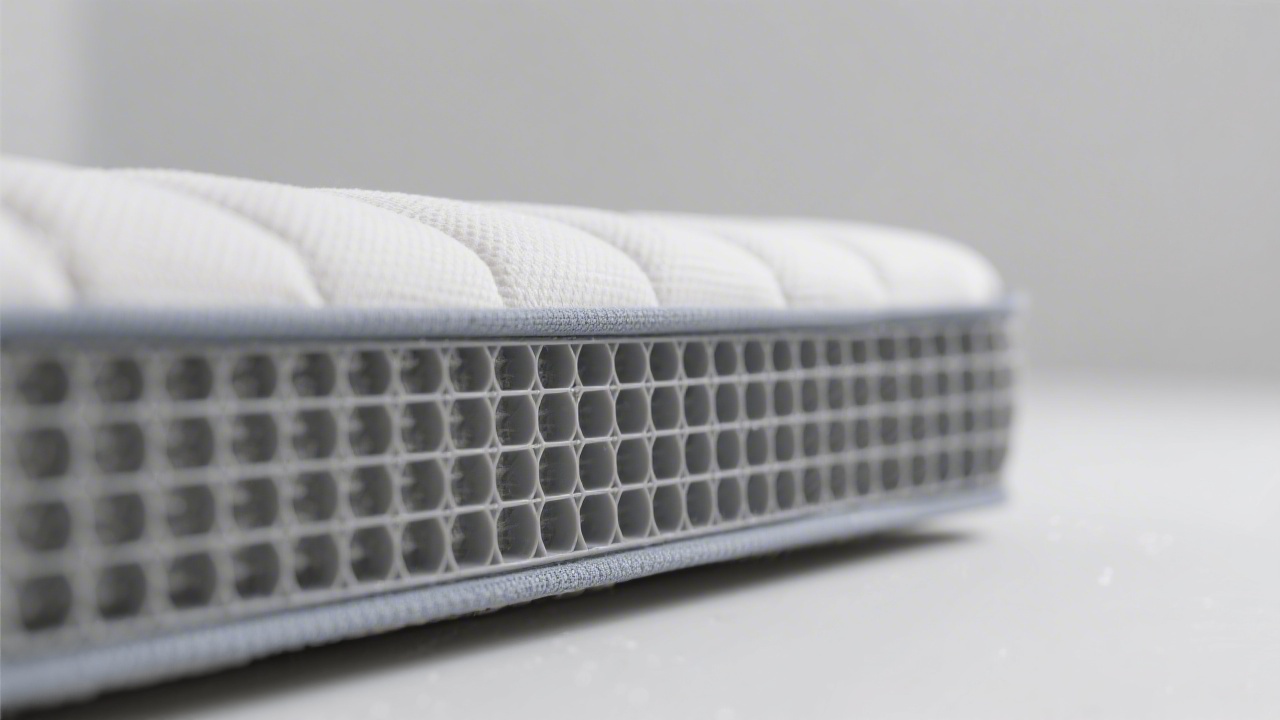
by Purple's Hyper-Elastic Polymer grid is genuinely innovative — but innovation comes with trade-offs. Here's what verified Purple owners consistently report as issues, whether they're common problems or outliers, and what it means for your purchase decision.
The Most Common Purple Mattress Complaints
1. The Grid Feel: Not for Everyone (~40% of negative reviews)
Purple's marketing leans heavily into the "never slept on anything like it" angle. That's accurate — and it's a double-edged sword. The polymer grid has a springy, responsive quality that's unlike foam or coils. Buyers who expect a traditional mattress feel are often caught off guard. This isn't a defect, but it's the #1 source of Purple's returns.
Who's most affected: Traditional innerspring sleepers moving to Purple, those who expect the contouring memory foam feel, older buyers familiar only with conventional mattresses.
Is it a deal-breaker? Only if you don't use the trial period. Purple's 100-night trial is specifically designed for this — most people need 2-4 weeks to acclimate to or confirm they dislike the grid feel.
2. Grid Sagging and Column Buckling (~25% of longer-term reviews)
This is Purple's most serious complaint category. Early production runs of the original Purple mattress experienced grid column collapse — visible sagging channels in the polymer grid after extended use. Purple addressed this in manufacturing updates, but the issue persists in some reviews of original-generation models.
Current state: Purple 3, Purple 4, and Purple Restore models show significantly fewer grid integrity complaints. If you're purchasing a Purple mattress from a retailer, confirm you're getting a current-generation unit, not old inventory from pre-2022 production.
Our Top Pick
Saatva Classic — The benchmark for value and reliability in its price range.
Alternative: more proven long-term durability than grid technology
3. Motion Isolation Below Expectations (~20% of complaints)
Purple's polymer grid transfers motion more than memory foam — the grid's responsiveness that helps with position changes also transmits partner movement. For couples where one partner is a light sleeper, this is a meaningful limitation compared to foam-dominant options.
Comparison context: Purple scores about 6.5/10 on motion isolation in independent tests, vs. Saatva at 8.2/10 and Nectar at 8.8/10. If motion isolation is your primary concern, Purple is not the right choice.
4. Temperature Regulation Claims vs. Reality (~15% of complaints)
Purple heavily markets the grid's temperature benefits — the air channels theoretically allow heat dissipation. In practice, the polymer grid does sleep cooler than dense memory foam, but warm sleepers still report heat retention from the foam base layers. Purple is better than standard memory foam for temperature, but not as cool as innerspring or hybrid options.
5. Price-to-Value Concerns (~10% of complaints)
The original Purple starts at ~$1,299 for a queen — higher than Nectar or Casper. Buyers who return Purple often cite feeling that the innovative technology didn't justify the price premium over more conventional competitors, particularly when the grid feel didn't match their preference.
Pros and Cons
What We Like
- GelFlex Grid for pressure relief and airflow
- Excellent temperature neutrality
- Good for combination sleepers
- No break-in period needed
What Could Be Better
- Heavier than traditional foam
- Higher price for premium models
- Unique feel takes adjustment
- Can feel firm for lightweight side sleepers
Are Purple's Complaints Deal-Breakers?
For most buyers, no. The feel polarization is real but manageable with the trial period. Grid sagging in newer models appears to be significantly reduced. Motion isolation is the most substantive limitation — if you share a bed with a sensitive sleeper, Purple is genuinely not the best option.
Related Guides
Frequently Asked Questions
Does the Purple grid sag over time?
The original Purple mattress had documented grid column collapse issues — a manufacturing defect in early production runs. Purple addressed this in subsequent versions. Newer Purple 3, 4, and Restore models show significantly improved grid stability. If you're buying Purple, ensure you're purchasing a current-generation model and not old inventory.
Is Purple too firm for side sleepers?
The original Purple is polarizing for side sleepers — the grid provides pressure relief but some report hip and shoulder pressure points compared to conforming foam. The Purple 3 and Purple Restore Soft specifically address this. If you're a side sleeper, we'd recommend the Restore Soft over the original.
Why do some people hate the Purple mattress feel?
Purple's Hyper-Elastic Polymer grid has a genuinely unique feel — neither foam nor spring. People who love it, love it. People who don't, strongly dislike it. This is not a quality defect; it's personal preference. Purple's 100-night trial exists specifically because the feel is polarizing. Use the full trial period.
How is Purple's motion isolation?
Purple's grid technology allows more motion transfer than memory foam — partners who move during sleep are more perceptible on Purple than on a foam mattress. The Purple 4 and higher have improved coil systems with better motion isolation, but the base model and Purple 3 are notably more motion-transferring than Saatva or Nectar.
Is Purple's warranty good?
Purple offers a 10-year non-prorated limited warranty — solid but not market-leading. Coverage includes manufacturing defects and sagging over 1 inch. The warranty doesn't cover comfort preference changes. For buyers prioritizing long-term coverage, Saatva's lifetime non-prorated warranty is a meaningful upgrade.
Our Top Pick
Saatva Classic — The benchmark for value and reliability in its price range.
Alternative: more proven long-term durability than grid technology