
 by
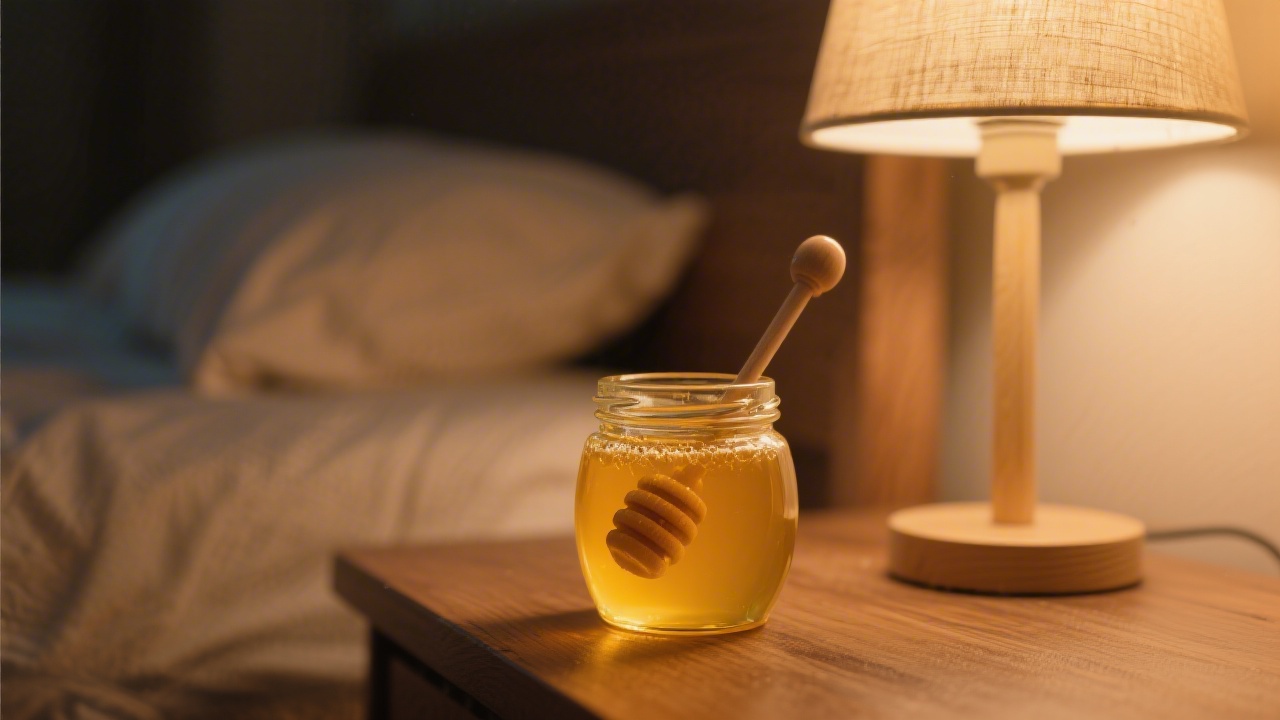
by The idea of eating honey before bed for better sleep predates modern sleep science by centuries — it appears in various forms in folk medicine across cultures from Eastern Europe to Southeast Asia. But does the biology support the tradition? Here is what the evidence actually shows, and what a realistic expectation looks like.
Our Top Pick
Saatva Classic Mattress
Luxury innerspring with lumbar support zone. Ships free, 365-night trial, lifetime warranty.
The Proposed Mechanism
There are three main biological pathways through which pre-sleep honey might affect sleep quality:
1. The Insulin-Tryptophan Pathway
This is the most credible mechanism. Honey — particularly raw, unprocessed honey — has a lower glycemic index than refined sugar (approximately 58 vs. 65 for table sugar, depending on variety). When consumed before bed, it produces a modest insulin release. Insulin facilitates the transport of competing amino acids out of the bloodstream, increasing the relative proportion of tryptophan available to cross the blood-brain barrier.
Tryptophan is the amino acid precursor to serotonin, which is then converted to melatonin by the pineal gland. This pathway is real but indirect: the honey provides a small glycemic nudge that slightly increases tryptophan availability, which slightly increases melatonin synthesis. The effect is modest and takes 45–90 minutes to manifest.
2. Direct Melatonin Content
Raw honey contains trace amounts of melatonin. Studies have measured approximately 0.003 to 0.01 micrograms per gram in various raw honey samples. A 10-gram serving would deliver approximately 0.03 to 0.1 micrograms of melatonin — compared to the 0.5 to 3 milligrams typically used in sleep supplements. The direct melatonin contribution of honey is physiologically negligible.
Pasteurized commercial honey loses most of this melatonin during the heating process, making raw honey the better choice if direct melatonin content is part of the rationale.
3. Glycogen Replenishment for Liver Function
A less commonly cited mechanism involves liver glycogen. The liver consumes glycogen overnight to maintain stable blood glucose, and if glycogen stores are low, the liver may signal the adrenal glands to produce cortisol as an alternative fuel mobilizer. This cortisol pulse can disrupt sleep, particularly in the second half of the night (early morning awakening). Honey before bed — providing a small, slow glucose release — may help keep liver glycogen levels adequate through the night, preventing this cortisol trigger.
This mechanism is the basis of the T-Lowery hypothesis (named after pharmacist Mike McInnes) that has circulated in alternative health communities. The direct evidence for this specific pathway in humans is limited to case reports and is not well-supported in controlled trials.
What the Research Actually Shows
Controlled clinical trials specifically on honey and sleep are sparse. A 2019 pilot study in Malaysian Journal of Nutrition found improved sleep quality scores in shift workers who consumed 20 grams of raw honey with warm water before bed compared to a placebo, but the sample was small (n=20) and subjective.
The broader research on low-GI carbohydrates and sleep onset is more consistent. A 2007 study in the American Journal of Clinical Nutrition found that high-GI carbohydrate meals consumed four hours before bed significantly shortened sleep onset latency compared to low-GI meals. Honey, as a moderate-GI food, sits between these extremes.
The honest interpretation: honey is a plausible sleep aid with a biologically coherent mechanism, limited direct clinical evidence, and a very low risk profile. It is not a substitute for good sleep hygiene tips or a best mattress that supports physical comfort, but it may be a useful minor addition to a pre-sleep routine.
How to Use It
The most common and practical protocol:
- 1 teaspoon of raw honey (7–10 grams) stirred into a small glass of warm water or chamomile tea.
- Consumed 30 to 60 minutes before sleep.
- Not combined with a large meal or other high-sugar foods.
The warm liquid component may add a small additional benefit: raising core temperature slightly before bed promotes the subsequent temperature drop that signals sleep onset to the circadian system.
Which Honey Works Best
Raw, unfiltered honey is the best choice. Look for varieties with verified low processing — Manuka (UMF certified), clover raw honey, or wildflower raw honey from local producers. Avoid supermarket clear honey, which is typically heat-processed and may be blended with corn syrup (common in lower-grade commercial honey).
Darker honeys (buckwheat, forest honey) tend to have higher antioxidant content and slightly more complex micronutrient profiles, which may add marginal benefit beyond the sleep pathway specifically.
Realistic Expectations
If your sleep difficulty is mild and related to mild physiological arousal or late-night glucose dips, pre-sleep honey may produce a noticeable improvement within a week or two of consistent use. If your sleep difficulty is caused by chronic insomnia, sleep apnea, a non-supportive mattress, or significant stress, honey will have minimal effect on its own.
Treat it as a low-effort, zero-risk addition to a broader sleep routine — not as a primary intervention. A best mattress for back pain page on choosing a mattress that supports your sleep posture will have a greater effect on sleep quality than any dietary intervention for most people.
Our Top Pick
Saatva Classic Mattress
Luxury innerspring with lumbar support zone. Ships free, 365-night trial, lifetime warranty.
Frequently Asked Questions
Does raw honey before bed actually help you sleep?
The evidence is modest but plausible. Raw honey contains small amounts of melatonin and tryptophan. Its glycemic index is lower than refined sugar, producing a smaller insulin spike that triggers a gradual release of tryptophan into the brain. Tryptophan is a precursor to both serotonin and melatonin. The effect is real but small — approximately equivalent to eating any other low-GI carbohydrate with a tryptophan-containing food before bed.
How much raw honey should you take before bed for sleep?
Most practitioners recommend 1 to 2 teaspoons (approximately 7 to 14 grams) taken 30 to 60 minutes before sleep. Higher amounts produce a larger insulin response that may cause reactive hypoglycemia during the night, which can trigger cortisol release and cause early waking. The goal is a small, steady insulin response, not a sugar rush.
Is raw honey better than regular honey for sleep?
Raw honey contains live enzymes, pollen, and a small amount of melatonin that is largely destroyed by the pasteurization process used in commercial honey. The difference in total melatonin content is modest — raw honey typically contains 0.003 to 0.01 micrograms per gram, compared to pharmaceutical melatonin doses of 0.5 to 5 milligrams. The functional difference for sleep purposes is probably small, but raw honey's lower GI and broader micronutrient profile make it the preferred choice if sleep support is the goal.
Can honey before bed cause weight gain?
One to two teaspoons of honey adds approximately 25 to 45 calories. For most adults, this is nutritionally trivial. The concern with eating before bed and weight gain relates primarily to total caloric intake and metabolic factors, not to the specific pre-sleep timing of a small amount of honey. In the context of an overall balanced diet, a nightly teaspoon of honey is not a meaningful contributor to weight change.
What should you mix raw honey with for better sleep?
Common combinations include honey in chamomile tea (chamomile has mild anxiolytic properties from the apigenin compound), honey in warm milk (milk provides tryptophan), and honey in warm water with a small amount of apple cider vinegar (a popular folk remedy, though the ACV component has minimal evidence for sleep specifically). The warm liquid component may enhance the effect by raising core body temperature slightly, which promotes the subsequent temperature drop associated with sleep onset.