
 by
by The mattress industry is beginning to adopt recycled and bio-based materials, driven by both consumer demand and regulatory pressure. The claims range from genuinely meaningful to marginally better than conventional production. This guide distinguishes between them.
Why Recycled Materials in Mattresses Matter
Standard mattress production consumes significant virgin resources: petroleum-derived polyurethane foam, steel for coils, polyester fiber for comfort layers, and cotton or synthetic covers. The industry produces an estimated 50,000 mattresses per day in the United States alone, sending most of them to landfill at end of life.
Using recycled materials reduces virgin resource extraction and, in some cases, diverts waste from landfill into productive use. The environmental benefit depends heavily on what percentage of recycled content is used and what it replaces.
Recycled Steel Coils
Environmental impact: High. Claim credibility: Strong.
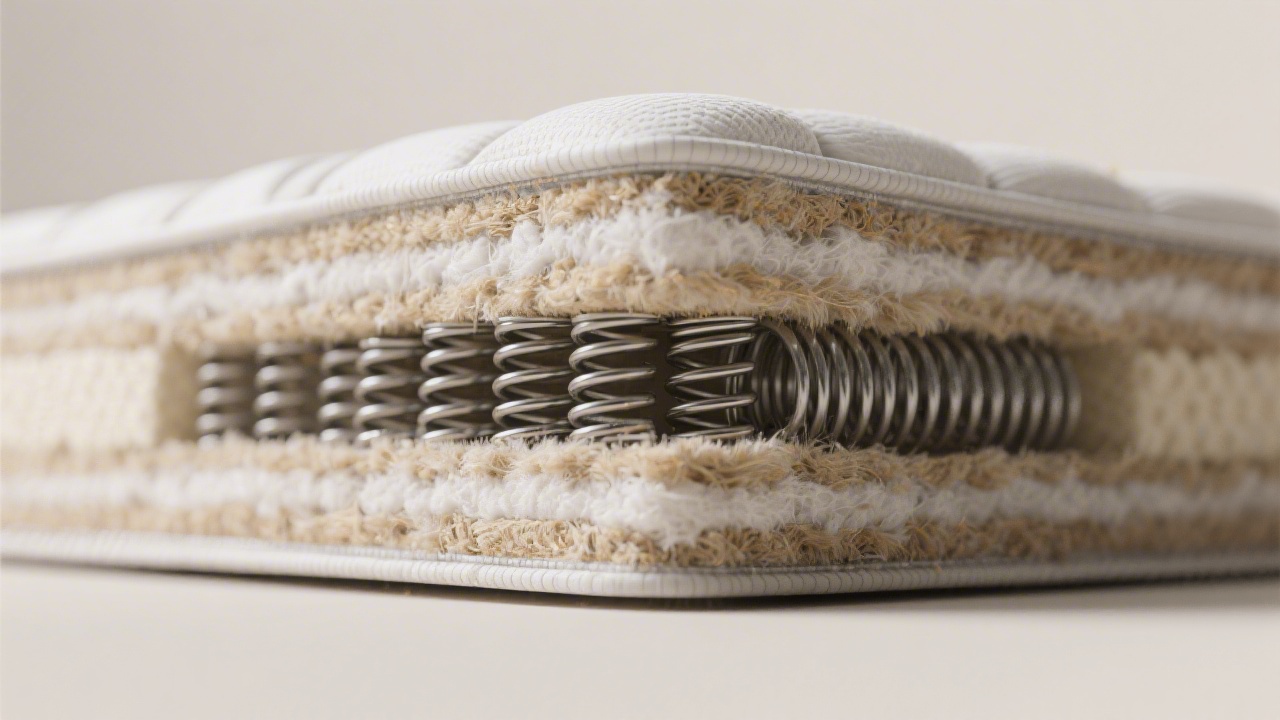
Steel coil spring systems are the most straightforward application of recycled content in mattresses. Steel is one of the most-recycled materials on earth — electric arc furnace steelmaking using scrap metal is standard practice in the industry. Most steel coils in mattresses use significant recycled content simply because recycled scrap steel is cheaper than virgin steel.
The carbon footprint difference is significant: electric arc furnace steel produces approximately 0.4 tons CO2e per ton of steel, versus 1.9 tons for virgin blast furnace steel — a 79% reduction. Brands that specify recycled steel coils are making a meaningful environmental claim.
Recycled Polyester Fill
Environmental impact: Moderate. Claim credibility: Varies.
Recycled PET polyester, often made from post-consumer plastic bottles, is increasingly used in mattress comfort layers and pillow fills. Producing recycled polyester uses approximately 30–50% less energy than virgin polyester and reduces plastic waste diversion to landfill.
The limitation: recycled polyester is still a synthetic petroleum product. It doesn't biodegrade, still sheds microplastics, and doesn't eliminate the health concerns associated with synthetic materials. It's better than virgin polyester, but not equivalent to natural materials in environmental profile.
Claims to verify: what percentage of recycled content? Is it post-consumer or post-industrial? Post-consumer recycled polyester (from plastic bottles) has higher environmental value than post-industrial regrind.
Bio-Based Foams
Environmental impact: Modest. Claim credibility: Often overstated.
Several foam mattress brands now offer "plant-based" or "bio-based" foam, typically replacing 15–20% of petroleum-based polyol with plant-derived alternatives — soy, castor oil, or rapeseed oil.
The marketing often implies these are natural or organic foams. The reality: a foam that is 15–20% plant-based is still 80–85% petroleum. The performance, VOC profile, and environmental footprint remain primarily determined by the petrochemical majority.
A 15% bio-based replacement reduces carbon footprint by perhaps 5–10% relative to conventional foam — real, but not transformative. Be skeptical of "plant-based foam" framing that implies whole-cloth natural composition.
Reclaimed Natural Latex
Environmental impact: Modest. Claim credibility: Strong when specified.
Some manufacturers use latex production off-cuts and reclaimed latex in comfort layers rather than virgin material. Given that natural latex already has a much lower environmental footprint than foam, reclaiming latex off-cuts provides incremental but real improvement.
Recycled Cotton and Fabric
Environmental impact: Moderate. Claim credibility: Depends on certification.
Recycled cotton in mattress cover fabrics diverts textile waste from landfill. Cotton recycling processes vary widely in quality — look for OEKO-TEX RECYCLED CLAIM STANDARD or GRS (Global Recycled Standard) certification to verify recycled content claims.
Greenwashing Red Flags in Recycled Claims
- Unquantified "recycled content" — 1% recycled polyester is technically "recycled content." Look for percentages.
- Post-industrial vs post-consumer — factory offcuts being reused is standard manufacturing practice; post-consumer recycled content is the meaningful claim.
- "Plant-based" foam without percentage disclosure — almost always implies more bio-content than it contains.
- Recycled content in non-critical components — recycled content in the packaging while the mattress itself is entirely virgin material.
Best Eco-Innovative Option: Natural Latex
While recycled materials in foam mattresses represent incremental improvement, the largest environmental gains come from choosing mattresses built primarily from materials with inherently lower footprints. GOLS-certified organic natural latex has 60–80 kg CO2e lifecycle footprint vs 100–200 kg for conventional foam — without requiring any recycled content claim.
The Saatva Zenhaven combines GOLS-certified organic latex with GOTS-certified organic cotton and uses recycled steel in its support system — making it one of the most comprehensively eco-considered mattresses available. See our mattress carbon footprint breakdown for the full comparison.
Frequently Asked Questions
Is plant-based foam the same as natural foam?
No. Plant-based foam replaces 15–20% of petroleum polyol with plant-derived alternatives. The foam is still predominantly petroleum-based with similar VOC profiles to conventional foam.
Does recycled polyester in a mattress mean it's eco-friendly?
Recycled polyester is better than virgin polyester — roughly 30–50% lower energy use — but it's still synthetic, doesn't biodegrade, and can shed microplastics.
What is GRS certification for recycled materials?
GRS (Global Recycled Standard) provides third-party verification of recycled content claims with chain-of-custody documentation — more rigorous than self-reported percentages.
Are recycled steel coils better environmentally?
Yes. Electric arc furnace steel using recycled scrap produces roughly 79% less CO2 than virgin blast furnace steel. This is a meaningful environmental improvement.
Which mattress brands have the most recycled content?
Brands specifying recycled steel coils and post-consumer recycled polyester fill are the most common. For total footprint, natural latex mattresses often outperform recycled-content foam despite having less "recycled" content.
Our Top Mattress Pick
The Saatva Classic consistently ranks #1 for comfort, support, and long-term durability.
View Saatva Classic Pricing & DetailsKey Takeaways
Recycled Materials in Mattresses is a topic that depends heavily on individual needs and preferences. The most important thing is to consider your specific situation — your body type, sleep position, and personal comfort preferences — before making any decisions. When in doubt, take advantage of trial periods to test before committing.