
 by
by Our #1 Recommended Mattress
Saatva Classic - From $1,095
365-night trial. Lifetime warranty. Free white-glove delivery
Our #1 Recommended Mattress
Saatva Classic - From $1,095
Quick Comparison Table
| Feature | Saatva Classic | Nectar |
|---|---|---|
| Price Range (Queen) | $1,095 - $1,995 | $349 - $699 |
| Mattress Type | Luxury Innerspring Hybrid | Memory Foam |
| Firmness Options | 3 Levels (Soft, Medium, Firm) | Medium-Firm Only |
| Delivery | White-Glove Service | Bed-in-a-Box |
| Sleep Trial | 365 Nights | 365 Nights |
| Warranty | Lifetime | Lifetime |
| Cooling | Strong (coil + euro pillow top) | Average (dense foam holds heat) |
Construction and Materials
Saatva Classic: Layered for Longevity
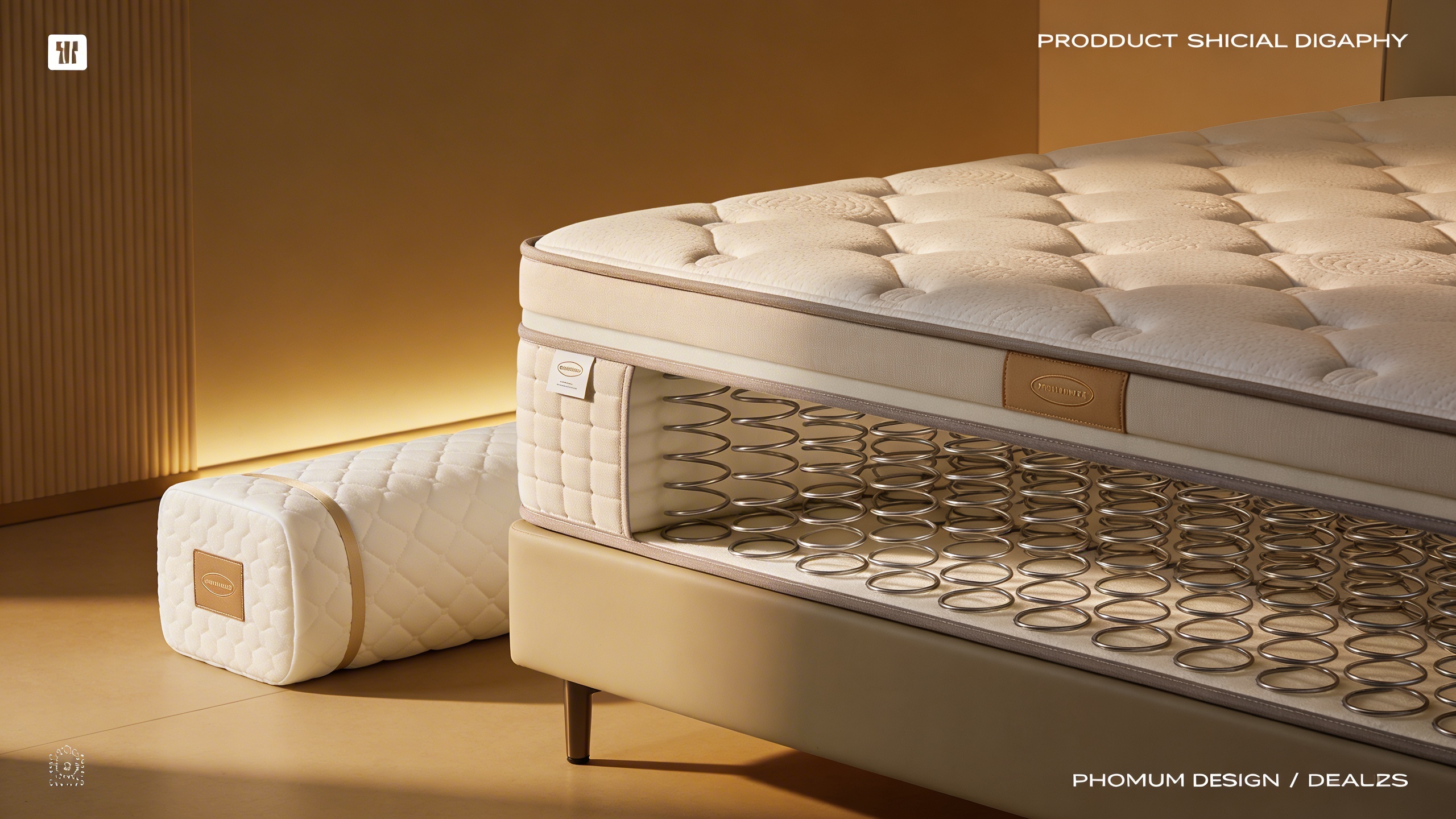
The Saatva Classic uses a dual-coil system that separates it from nearly everything in its price class. The bottom layer features 13-gauge tempered steel coils that provide the structural backbone. Above that sits a second layer of 4-inch pocketed micro-coils, which allow the mattress to contour to your body without transferring motion across the entire surface. This is not a gimmick. It is the same basic architecture used in hotel mattresses that get used hard for decades.
On top sits a Euro pillow top packed with soft cotton and memory foam. The combination creates a surface that feels cushioned but not smothering. The entire mattress sits on a organic cotton cover that breathes better than synthetic alternatives.
You can order the Saatva Classic in three firmness levels. Plush Soft works for side sleepers who want that sink-into-it feeling. Luxury Firm is the most popular choice and hits that medium-firm sweet spot that suits most sleepers. Firm is available for stomach sleepers or heavier individuals who need more support to keep their spine aligned.
Nectar: Solid Memory Foam Construction
Nectar keeps things straightforward. This is an all-foam mattress with no coils, no hybrid complications. The construction consists of four layers. At the base, a dense foam foundation provides stability. Above that sits adaptive transition foam that prevents you from bottoming out. The main comfort layer uses gel-infused memory foam, and the top layer adds a quilted memory foam cover that provides that signature slow-sinking feel.
The gel infusion in the memory foam is supposed to address heat retention. More on that shortly. The main point is that Nectar offers only one firmness option. That medium-firm feel works well for a wide range of sleepers, but it is a limitation if you know you prefer something significantly softer or firmer. You adapt to the mattress rather than choosing one that matches your preference.
Both mattresses arrive at your door differently. Saatva sends a crew that delivers the mattress, sets it up, removes your old one if requested, and takes away all packaging. You never break a sweat. Nectar ships compressed in a box. Getting it up stairs and through doorways is your problem. Setting it up is not difficult, but it does require effort, and the off-gassing smell when you first unbox it takes a few days to dissipate completely.
Comfort and Feel
Saatva Classic: Supportive with a Gentle Cradle
The Saatva Classic feels like a quality hotel mattress, which is not an accident. The Euro pillow top cushions pressure points while the coil system underneath keeps your body properly supported. You do not sink deeply into the surface. Instead, the mattress cradles you with just enough give to relieve pressure at the shoulders and hips while maintaining spinal alignment.
The Luxury Firm option hits a balance that works for combination sleepers who switch positions throughout the night. The micro-coil layer responds quickly to movement, so you are not stuck in a memory foam depression when you shift from your back to your side. Back sleepers get enough support to keep the lower back from sagging. Side sleepers receive adequate cushioning at the shoulder and hip.
The three firmness options mean you are not forced into a one-size-fits-all compromise. If you are a dedicated side sleeper who wants more plushness than the Luxury Firm provides, the Plush Soft exists for you. Heavier sleepers who find most mattresses too soft have the Firm option available. This flexibility is a genuine advantage over single-firmness competitors.
Nectar: Classic Memory Foam Sink
Nectar delivers the traditional memory foam experience. You lie down and feel yourself gradually sinking into the surface. The material contours closely to your body shape, which many sleepers find comforting. Pressure relief is generally good, particularly for side sleepers who appreciate the way memory foam distributes weight across the surface.
The tradeoff is responsiveness. Memory foam does not bounce back quickly when you move. Switching positions requires more effort because you are essentially pulling yourself out of a depression rather than simply shifting on a surface. Some sleepers love this hugs-you-back sensation. Others find it makes them feel trapped, especially on nights when they shift positions frequently.
The medium-firm feel works reasonably well for back sleepers and average-weight side sleepers. Stomach sleepers may find it too soft, allowing their hips to tilt forward and strain the lower back. Heavier individuals might bottom out through the comfort layers and feel the denser support foam underneath, which creates an uncomfortable experience.
Cooling
This is where the gap becomes obvious. The Saatva Classic runs cooler by a wide margin. The coil system underneath the comfort layers creates natural airflow throughout the mattress. Air circulates through the springs, pulling heat away from your body. The Euro pillow top adds cushioning without creating an insulating barrier, and the organic cotton cover breathes better than synthetic quilted materials.
Hot sleepers who choose Saatva typically report no issues staying cool through the night. The innerspring layer acts as a built-in ventilation system. Even in the Luxury Firm version, which has more foam in the pillow top than the firmer options, the coil core prevents heat buildup.
Nectar struggles here despite the gel-infused memory foam in its design. Gel infusion helps initially, but memory foam's fundamental structure traps heat. The dense foam layers do not allow much air circulation. The quilted cover adds another layer of material that holds warmth. Nectar does ship a breathable cover with the mattress, but it is not enough to overcome the thermal properties of the foam underneath.
If you sleep hot, Nectar will probably leave you uncomfortable on warm nights. The gel memory foam buys you a few hours before heat builds up. This is not a flaw unique to Nectar. Memory foam mattresses generally sleep warmer than hybrid alternatives. But the comparison matters when one of the options eliminates this problem almost entirely.
Edge Support
Saatva Classic: Sit and Sleep Near the Edge
The Saatva Classic uses a high-density foam encasement around the perimeter of the mattress. This perimeter reinforcement keeps the edges from collapsing when you sit on the side of the bed or sleep near the edge. You can use the full surface of the mattress without feeling like you might roll off. This matters for couples who need the full width of the mattress or individuals who tend to sleep near the edge.
The innerspring construction contributes to this rigidity. The steel coil system provides support that foam simply cannot match at the edges. When you press down on the side of a Saatva, you encounter resistance rather than compression. This translates to a stable sleeping surface across the entire mattress.
Nectar: Noticeable Compression at the Perimeter
Edge support is the weakest aspect of the Nectar mattress. Memory foam compresses under sustained weight, and the perimeter of an all-foam mattress receives the most concentrated pressure when you sit on the edge or sleep close to it. Over time, the edges of a Nectar mattress will compress noticeably more than the center.
When you sit on the edge of a Nectar, you sink down several inches before the foam supports your weight. This makes putting on shoes or getting out of bed feel less secure. Couples lose several inches of usable sleeping surface on each side because neither person wants to sleep right at the edge. The mattress measures the same as its competitors, but usable surface area is smaller.
This is a common complaint with bed-in-a-box memory foam mattresses, and Nectar does not deviate from the norm here. It is not a dealbreaker if you typically sleep in the center of the mattress, but it is worth knowing before you buy.
Motion Isolation
Nectar Excels Here
Motion isolation is memory foam's strength. When your partner shifts position or gets out of bed, the foam absorbs that movement rather than transferring it across the mattress surface. Nectar performs well in this area. A partner rolling over on the opposite side of the bed rarely disturbs someone sleeping next to them. The dense memory foam layers dampen vibrations effectively.
If you are a light sleeper who wakes easily, this is a meaningful advantage. The ability to sleep through your partner's movements contributes significantly to rest quality over time.
Saatva Classic: Good but Not Perfect
The Saatva Classic uses pocketed micro-coils in its comfort layer, which do a respectable job of isolating motion. However, the innerspring base layer transfers more movement than memory foam would. A partner getting out of bed creates more disturbance than it would on the Nectar. The difference is noticeable if you are extremely sensitive to motion transfer.
For most couples, the Saatva Classic provides adequate motion isolation. The micro-coil layer absorbs enough vibration that significant disturbances are rare. You might feel it when your partner gets up, but staying asleep through the night is generally not a problem.
The trade-off is clear. If motion isolation is your absolute priority and you do not care about cooling or edge support, Nectar wins. If you want better overall performance across multiple categories, the Saatva Classic strikes a reasonable balance.
Durability and Warranty
Saatva Classic: Built to Last Longer
Steel coils do not develop permanent impressions. They compress under your weight and spring back when you get up. After years of use, a Saatva Classic retains its original feel much better than an all-foam mattress. The dual-coil system adds resilience that foam simply cannot match over time.
The Euro pillow top does compress over the years, but the support from the coil layers underneath means the mattress continues providing adequate comfort even as the top layer softens. Saatva estimates a lifespan of 10 to 15 years with proper care. The lifetime warranty backs this up by covering defects in materials and workmanship for as long as you own the mattress.
The Saatva warranty does include some fine print. It requires keeping the mattress on a proper foundation. Using it on a box spring, platform bed, or adjustable base that meets their specifications is necessary to keep the warranty valid. The warranty covers body impressions deeper than 1.5 inches, manufacturing defects, and physical flaws that cause the coils to break through the cover.
Nectar: Adequate but Foam Degrades
Memory foam breaks down over time. The material loses resilience, develops permanent body impressions, and gradually becomes less supportive. Nectar addresses this with a lifetime warranty that covers visible impressions greater than 1.5 inches. This is a reasonable coverage period, but the underlying issue is that foam mattresses simply do not last as long as hybrid alternatives.
Most foam mattresses develop noticeable softening within 3 to 5 years. You may not need to replace the mattress at that point, but the comfort level declines noticeably. The Nectar warranty covers defects, but normal compression from daily use is the nature of foam materials. The warranty protects against unusual defects rather than normal wear.
Both mattresses offer 365-night sleep trials, which is longer than the industry standard. This gives you a full year to decide whether the mattress works for your needs. The Saatva trial does require a minimum 30-night break-in period before you can initiate a return. Nectar has no such requirement, though their customer service has a mixed reputation for handling returns smoothly.
Who Should Buy Each
Choose Saatva Classic If
You want a mattress that will last a decade or more without developing significant body impressions.
You sleep hot and need a mattress with actual airflow through the support layer.
You share your bed and need strong edge support to maximize usable sleeping surface.
You prefer a responsive surface that lets you change positions easily without feeling stuck.
You want the option to choose your firmness level rather than accepting a single compromise.
You do not want to deal with moving and setting up a heavy mattress yourself.
You value having a mattress with established durability that has performed reliably for many years.
Choose Nectar If
You are on a tight budget and need a functional mattress under $700 for a queen.
You specifically love the slow-sinking feel of memory foam and want that hugging sensation.
Motion isolation is your top priority and you share your bed with a restless partner.
You live in a small space and need to carry the mattress up narrow stairs yourself.
You are buying a guest room or temporary setup where extreme durability matters less.
You do not mind a longer break-in period and can tolerate some off-gassing odors initially.
Final Verdict
The $600 to $1,300 price difference between these mattresses reflects genuine differences in materials, construction, and performance. Saatva Classic costs $1,095 to $1,995 for a queen depending on firmness level. Nectar costs $349 to $699. That is not a small gap. The question is whether what you get for the extra money justifies the expenditure.
For most buyers, it does. The Saatva Classic offers better cooling through its coil construction, stronger edge support, a more responsive surface that does not trap you, multiple firmness options, and durability that will likely outlast the Nectar by several years. White-glove delivery means you never wrestle a mattress through a doorway. These are not minor advantages. They are fundamental differences in what kind of sleep experience you are purchasing.
Nectar makes sense for specific situations. Budget constraints that make the Saatva price uncomfortable. A strong preference for memory foam that you are unwilling to compromise on. A guest room where the best-in-class performance is less critical than decent comfort at a reasonable price. These are valid reasons to choose Nectar.
The Saatva Classic wins this comparison because it addresses more of what actually matters in a mattress. Cooling, support, durability, and ease of delivery are not luxuries. They are the core functions of a mattress, and Saatva executes them better. If your budget allows, the Saatva Classic delivers significantly more value over its lifespan. You pay more upfront, but you get a mattress that performs better across nearly every metric and lasts longer doing it.
Frequently Asked Questions
Is the Saatva Classic worth the extra money compared to Nectar?
For most sleepers, yes. The Saatva Classic costs $600 to $1,300 more but offers superior cooling through its coil construction, significantly better edge support, multiple firmness options, and a hybrid design that typically lasts 10 to 15 years versus 7 to 10 years for an all-foam mattress like Nectar. The white-glove delivery service also adds value for buyers who want a hassle-free experience. If those factors matter to you, the upgrade is worth it.
Which mattress is better for hot sleepers?
The Saatva Classic is substantially better for hot sleepers. Its dual-coil system creates natural airflow throughout the mattress, pulling heat away from your body. Nectar's all-foam construction traps heat despite the gel infusion in its memory foam layers. If you consistently wake up hot or live in a warm climate, the Saatva Classic will provide a much more comfortable sleep experience.
Can I return either mattress if I do not like it?
Both Saatva and Nectar offer 365-night sleep trials, giving you a full year to decide. However, Saatva requires a minimum 30-night break-in period before you can request a return, while Nectar does not. Returns for Saatva involve scheduling pickup with their delivery team. Nectar handles returns through their customer service, though some buyers report longer wait times for the process to complete. Both companies honor their trial periods in practice, though customer service experiences vary.
Looking for the best value?
The Saatva Classic offers luxury innerspring comfort with a 365-night trial.
Related Reviews
- Saatva Mattress Review 2026: Is It Worth $1,595? (We Tested It)
- Saatva HD Review (2026): The Best Mattress for Heavy Sleepers? I Tested It
- Saatva HD Mattress Review (2026): Built for 300-500 lbs. Honest Heavy Sleeper Test
- Saatva Latex Hybrid Review 2026: The Eco-Conscious Luxury Mattress Worth Every Penny
- Saatva Mattress Warranty: Complete Guide (Lifetime Coverage Explained)
- Saatva Sale 2026: Current Deals & Best Time to Buy
- Saatva Coupon Code 2026: Verified Deals and How to Save
- Saatva Return Policy (2026): Trial, Refund, Exchange. Everything You Need to Know
Affiliate Disclosure: MattressNut.com earns commissions from qualifying purchases. This does not affect our editorial independence or the price you pay.