
 by
by Scandinavian bedroom design has influenced global interior aesthetics more than any other single tradition in the past 20 years. Its success is not accidental — the Nordic approach to bedroom design is built on principles that happen to align closely with what sleep science recommends: low visual stimulation, natural materials, cooler temperatures, and individual sleep comfort.
Affiliate link — we earn a commission at no cost to you.
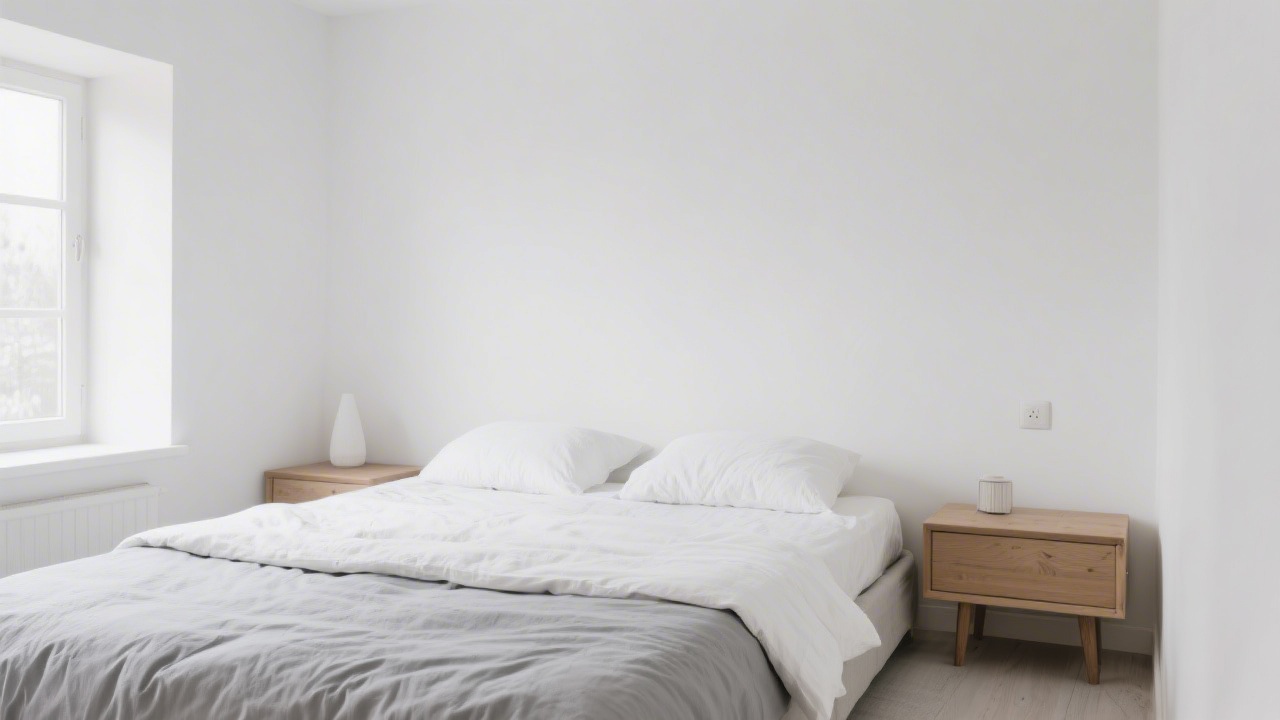
The Scandinavian Palette: White, Grey, and Natural
Scandinavian bedrooms use the narrowest palette of any major design tradition. The typical bedroom uses:
- Crisp white or warm white: Sheets, duvet covers, and often walls
- Soft grey: Secondary accent — a grey throw, grey headboard, light grey rug
- Natural wood tones: Pine, birch, and light oak in furniture — warm undertones that prevent the white palette from feeling clinical
- One muted natural accent: Dusty blue, sage green, or terracotta in a single object or throw to give the room warmth
The key to the Scandinavian palette is that white functions as the canvas, not as the accent. Everything else is subordinate to it. The room feels bright, airy, and calm — not blank.
The Two-Duvet Method
One of the most distinctive features of Scandinavian sleep culture is the practice of each sleeper having their own individual duvet. In Norway, Sweden, and Denmark, sharing a single large duvet between two people is uncommon. Each person has their own duvet, sized for a single person, even on a shared king or queen bed.
The sleep benefits are clear: no duvet-stealing, no temperature compromise between people with different preferences, and no one being woken up by their partner pulling the cover. Research on couples who use individual duvets consistently shows better reported sleep quality and fewer nighttime disturbances.
The aesthetic challenge: two single duvets on a shared bed can look messy if not managed carefully. The solution is to fold each duvet neatly during the day, placing them side by side with matching or coordinating covers. During the day the bed looks clean and intentional; at night each person has their own thermal environment.
Materials in Scandinavian Bedding
Nordic design places extraordinary emphasis on material quality over decorative complexity. A Scandinavian bedroom uses fewer objects, each of higher quality:
- Sheets: 100% cotton percale or linen — never polyester. Thread count 200–400 for percale.
- Duvets: Down or quality down alternative with medium to high fill power. Nordic climate tradition favors warmth over lightness.
- Throws: Wool, merino, or heavy cotton — never synthetic fleece.
- Pillows: Minimal. Two sleeping pillows per person. No decorative pillow excess.
Minimal Pillow Arrangement
Where the maximalist trend piles 7-8 pillows on a bed, the Scandinavian approach uses 2-4 maximum. On a shared queen or king bed: 2 sleeping pillows per person in simple white or grey shams, one folded throw at the foot. No Euro shams, no lumbar pillows, no accent pillows. The simplicity is the aesthetic.
This connects to the broader Scandinavian concept of functional beauty — objects justify their presence by their use. Pillows that exist only for decoration have no place in a Nordic bedroom.
For comparison with other minimalist aesthetics, see our guide on Japandi bedroom design. For the full context of the two-duvet sleep approach, see our guide on the layered bedding look.
Individual Duvet for the Nordic Sleep Method
Saatva's Down Alternative Duvet is available in multiple sizes, making it ideal for the Scandinavian individual-duvet approach — each sleeper gets their own.
Frequently Asked Questions
What is the Scandinavian sleep method with two duvets?
The Scandinavian sleep method refers to couples using two separate individual duvets instead of one shared duvet. Each person has their own duvet sized for a single sleeper, even on a shared bed. This eliminates duvet-stealing, allows each person to choose their own warmth level, and reduces sleep disturbances from a partner's movements.
What colors are used in Scandinavian bedroom design?
Scandinavian bedrooms use an extremely narrow palette: white or warm white as the dominant, soft grey as a secondary, natural wood tones in furniture, and one muted natural accent color (dusty blue, sage, terracotta) in a single element. The palette creates a calm, bright space without being clinical.
How many pillows are on a Scandinavian bed?
Scandinavian beds typically have 2-4 pillows total — just the functional sleeping pillows in simple shams, sometimes with one folded throw at the foot. The Nordic design philosophy does not include decorative-only pillows. Objects that serve no functional purpose are removed.
What is hygge in bedroom design?
Hygge (pronounced "hoo-gah") is the Danish concept of cozy contentment — warmth, comfort, and wellbeing in everyday moments. In bedroom design, hygge translates to warm lighting, natural textures (wool, wood, linen), soft bedding, and a space that feels safe and restorative. It balances the minimalism of Scandinavian design with warmth and livability.
What type of wood furniture fits a Scandinavian bedroom?
Light woods with warm undertones — pine, birch, light oak, and ash — are the classic Scandinavian choices. These prevent the white palette from feeling cold or clinical by introducing natural warmth. Furniture shapes should be simple and functional with clean lines. Dark woods, black metal, and painted furniture are less traditional to the Nordic aesthetic.
Key Takeaways
Scandinavian Bedding Style is a topic that depends heavily on individual needs and preferences. The most important thing is to consider your specific situation — your body type, sleep position, and personal comfort preferences — before making any decisions. When in doubt, take advantage of trial periods to test before committing.