
 by
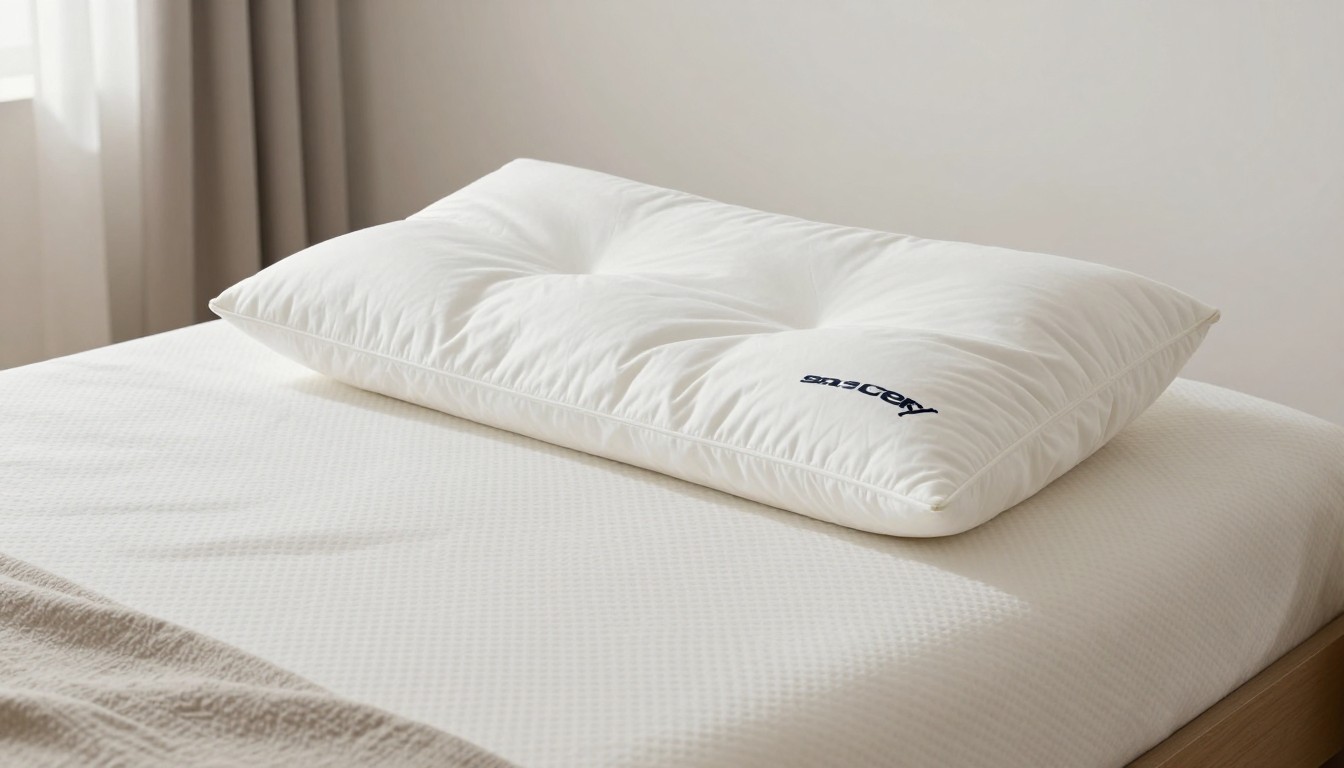
by Quick answer: “Seally pillows” doesn’t identify one verified model. My safest starting point is an adjustable-fill pillow matched to your sleep position, since it lets you refine the loft instead of guessing.
- The search term alone reveals nothing reliable about the fill, firmness, cover, or construction.
- Your sleeping position and mattress softness help determine how much pillow loft feels comfortable.
- Care instructions, return terms, and exact materials should be confirmed on the current seller listing.
Updated July 2026 · Reviewed for accuracy
The spelling “seally pillows” may point to a brand-name search, a seller’s wording, or a simple typo. It still isn’t enough information to choose a pillow.
I’d focus on construction first. Loft, fill, adjustability, and cover design tell you far more about how a pillow will behave than a vague product name does.
What “seally pillows” tells you, and what it doesn’t
The phrase contains no model name or material description. It doesn’t tell you whether the pillow uses foam, latex, down, feathers, synthetic fiber, or a combination of materials.
“Seally” may be a misspelling of “Sealy,” but that possibility shouldn’t be treated as a specification. Even pillows sold under the same brand can have very different constructions and feels. Confirm the exact spelling and model on the seller’s page before relying on reviews or care advice.
My rule: If a listing doesn’t clearly identify the fill, cover material, care method, and return policy, I wouldn’t use the product name alone as a reason to buy.
Search results can also mix bed pillows with decorative cushions, travel pillows, replacement pillow inserts, and pillow protectors. Check that the listing describes a pillow intended for nightly sleep. Product photographs can show shape, but they can’t establish firmness or support.
If you did mean Sealy pillows, look for the precise model rather than assuming every listing offers the same design. Without a verified model specification, claims about cooling, support, durability, or washability would be guesswork.
Match the pillow loft to your sleeping position
Loft is the pillow’s effective height beneath your head. The right amount depends on how you sleep, how deeply your body sinks into the mattress, and how much the fill compresses under weight.
Side sleepers usually need enough loft to occupy the space between the head and mattress. A very soft pillow may look tall when untouched but collapse too far during use. A firmer core or a supportive chamber can maintain its shape more consistently.
Back sleepers generally need a more moderate profile. Too much loft can push the head forward, while a nearly flat pillow may not provide the preferred level of support. Contoured foam can suit people who like a defined shape, although it leaves less freedom to bunch or fold the pillow.
Quick position check
- Side sleeping: prioritize stable loft and resistance to deep compression.
- Back sleeping: look for moderate support without an aggressively raised profile.
- Stomach sleeping: favor a low, compressible design that doesn’t prop the head up sharply.
- Changing positions: consider removable fill so the loft can be tuned.
Stomach sleepers commonly prefer less material beneath the head. Thick, firm constructions can feel intrusive in this position. A soft fiber pillow, a lightly filled down-style design, or an adjustable pillow with some fill removed may be easier to manage.
The mattress changes the equation. On a softer bed, the shoulder and torso sink farther, reducing the gap the pillow must fill. A firmer sleep surface allows less sinkage, so the same sleeper may prefer more loft. That’s why a pillow that feels right in a showroom can behave differently on your own bed.
I wouldn’t choose by sleep position alone. Shoulder build, preferred head angle, and the pillow’s compression all matter. Treat position as the starting filter, then use adjustability and return terms to manage the uncertainty.
Choose the fill by how you want the pillow to behave
Fill controls how quickly a pillow rebounds, how easily it can be reshaped, and how steadily it holds the head. Material names matter, but construction matters just as much.
| Pillow type | Typical behavior | Best suited to | Main trade-off |
|---|---|---|---|
| Solid memory foam | Conforms gradually and keeps a defined shape | Sleepers who dislike frequent fluffing | Usually offers little loft adjustment |
| Shredded foam | Can be molded and may have removable fill | Combination sleepers and uncertain buyers | May need occasional redistribution |
| Latex | Feels buoyant and rebounds promptly | Sleepers who prefer responsive support | Can feel less moldable than loose fill |
| Down or feather | Compresses readily and can be shaped by hand | People who enjoy a soft, malleable pillow | Requires fluffing and careful material checking |
| Down alternative or fiber | Creates a familiar plush feel without down fill | Shoppers seeking softness and simpler upkeep | May flatten or clump as the fill wears |
Solid memory foam gives the pillow a fixed architecture. That can be useful if you want a consistent shape, but the initial profile needs to suit you. A removable cover doesn’t mean the foam core itself is washable, so the care label deserves attention.
Shredded foam behaves differently. The loose pieces can shift as you move, and some designs allow fill to be removed. I see that adjustability as the safer choice for a buyer who doesn’t already know the preferred loft. The downside is maintenance: displaced fill may need to be spread out again.
Latex feels more elastic than slow-conforming foam. A molded latex core usually keeps a defined profile, while loose latex pieces provide more moldability. Don’t assume the word “latex” identifies the whole pillow, since the cover, inner liner, and any blended fill can change the feel.
Construction beats labels: “Foam pillow” could mean a solid slab, shaped contour, loose fill, or layered chamber. Read the layer description before drawing conclusions from the headline material.
Down, feather, and synthetic fiber are generally easier to compress and shape by hand. The softness can feel inviting, but plush fill isn’t automatically supportive. Chambered construction can place a more stable material in the center and softer fill around it, balancing structure with surface cushioning.
Construction details that affect comfort and durability
A zippered inner liner is one of the most useful features on an adjustable pillow. It keeps loose fill contained while allowing the outer cover to be removed, and it makes loft changes less messy.
Gusseted sides create a more defined edge and can help a pillow retain a fuller profile. A knife-edge seam tapers toward the perimeter and usually feels less structured. Neither design is universally better; the choice depends on whether you want a stable platform or a pillow that yields easily around the edges.
A chambered pillow separates materials into distinct compartments. This can prevent a supportive core from mixing with a softer outer layer. The label should explain what sits in each chamber. If it doesn’t, there’s no sound basis for assuming the interior construction.
Details worth finding on the listing
- Whether the fill is solid, loose, layered, or chambered
- Whether fill can be removed or added
- Which parts are washable and which are spot-clean only
- Whether the outer cover can be removed
- What the current return and warranty terms actually cover
Cover fabric influences the surface feel and ease of cleaning, but a “cooling” label alone doesn’t establish how the complete pillow will feel. Airflow also depends on the fill density, internal structure, pillowcase, room conditions, and how closely your head sinks into the material.
Durability is easier to judge through replaceable and maintainable parts than through marketing adjectives. An adjustable design can sometimes be refreshed by redistributing its fill. A fiber pillow that has formed persistent clumps or a foam core that no longer returns to shape may be harder to restore.
How to assess a pillow at home and care for it
The clearest fit test is whether the pillow remains comfortable through your normal sleeping positions. Don’t judge only by how it feels while sitting upright or pressing it with a hand.
Place it on your own mattress with your usual pillowcase and settle into your regular position. Notice whether you keep folding the pillow to gain height, pushing it away to reduce height, or searching for an intact patch of fill. Those reactions point to a loft or construction mismatch.
Useful signal: Repeatedly placing an arm beneath the pillow often means you want more effective loft. Constantly pulling the pillow down or moving to its edge can mean the profile feels too high.
A hotel-like surface feel doesn’t come from the pillow alone. Pillow protectors, cases, laundering, fill selection, and bedding presentation all contribute. My guide to why hotel pillows feel comfortable explains why copying a single label rarely recreates the entire experience.
Follow the care label rather than assuming the whole pillow can go into a washing machine. A removable cover may be washable even when the core is not. Loose foam, molded foam, latex, feathers, and fiber can require different treatment.
Use a washable protector if you want a barrier between the pillow and normal moisture, skin oils, and cosmetic products. Discoloration doesn’t by itself identify what is happening inside the fill. For a fuller explanation, see why pillows turn yellow.
Before ordering
- Confirm the exact model and seller.
- Read the complete material description.
- Check whether the loft can be adjusted.
- Review current return terms before opening or using the pillow.
- Save the care instructions so cleaning doesn’t become guesswork.
Return rules matter because pillow fit is personal, but those rules can differ by seller and product condition. Check the current policy on the live listing. Don’t assume bedding can be returned after use merely because other products from the same retailer can be.
My bottom line on a vague pillow search
“Seally pillows” is a starting query, not a usable specification. Confirm whether you meant Sealy, identify the exact model, and then judge the pillow by fill, effective loft, adjustability, cover design, and care requirements.
If the available listing stays vague, I’d pass. For a shopper who remains unsure about height, an adjustable-fill construction is the most forgiving type because it leaves room to refine the feel at home. It still needs clear materials and workable return terms.
The Nut’s verdict: Don’t buy the spelling. Buy a clearly documented construction that fits your sleep position and can be cared for without guesswork.
ONE OPTION WORTH COMPARING
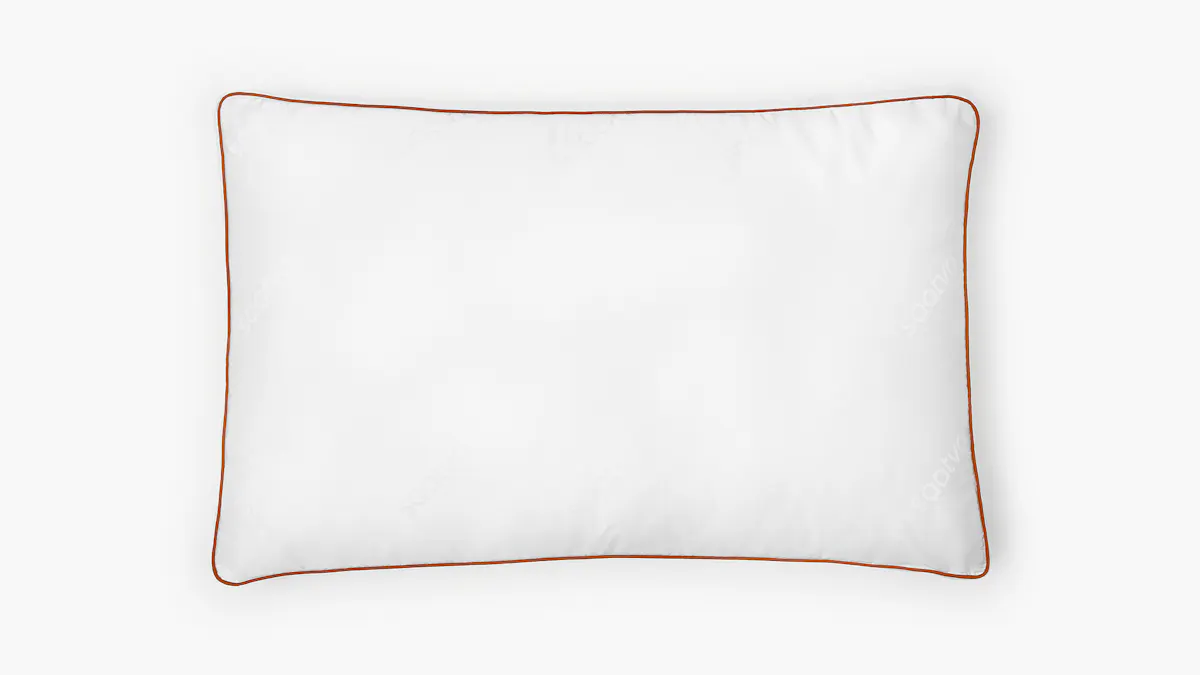
Shopping as well as reading? Here is one current option worth comparing: the Saatva Pillow. Check today’s price, sizing and return terms on the official product page before you order.
Saatva Pillow
- Shredded natural latex core, per saatva.com
- 45-day free returns
- Machine-washable organic cotton cover
FAQ
Loft and fill are the two details I’d resolve first. The questions below cover the practical issues left unanswered by a broad search term.
Are “seally pillows” and Sealy pillows the same thing?
“Seally” may be a misspelling of “Sealy,” but the search phrase alone can’t confirm the intended brand or model. Check the product title, manufacturer information, and seller details before treating the terms as interchangeable.
What pillow type is best for side sleepers?
Side sleepers generally benefit from a pillow that keeps enough effective loft after the fill compresses. Look for a stable core, resilient fill, or adjustable construction rather than judging by the pillow’s untouched height.
Is memory foam better than a down-style pillow?
Neither is automatically better. Solid memory foam offers a more defined shape, while down and down-style fiber are easier to compress and mold. Choose according to whether you prefer steady structure or a softer pillow that can be rearranged.
Should I choose an adjustable pillow?
An adjustable pillow makes sense if you’re uncertain about loft, change sleeping positions, or expect your mattress to alter how deeply you sink. Confirm that the fill is genuinely removable and that the inner liner is designed to contain it securely.
How can I tell when a pillow no longer suits me?
Persistent flattening, clumped fill, loss of rebound, or repeated folding during sleep can indicate that the pillow’s construction no longer delivers the feel you want. Cleaning may refresh the cover, but it won’t necessarily restore a worn or misshapen core.