 by
by Quick answer: I’d only choose this firm Costco model if you want a notably stiff coil mattress. For more adjustable comfort and stronger purchase protections, I’d lean toward the Saatva Classic instead.
- The Prosser Hills is presented as a Costco Direct mattress, according to the product information summarized for this model.
- The firm version uses a coil-based design with foam comfort materials above the support unit, according to the model’s commonly listed construction details.
- Its firm option is positioned as substantially firmer than the plush option, according to the product description summarized for this line.
Updated July 2026 · Reviewed for accuracy
The Sealy Posturepedic Plus Prosser Hills firm is a sensible match for sleepers who genuinely like a flat, resistant surface. It is not the mattress I’d point a side sleeper toward without a serious warning about pressure relief.
My read is simple: its coil-first construction and firm designation suggest a support-led feel, while the limited detail around its comfort layers makes it harder to judge how forgiving it will be over time. That doesn’t make it a bad value. It means you should buy it for the right reason, not because “firm” sounds universally supportive.
What This Costco Model Is Trying to Deliver
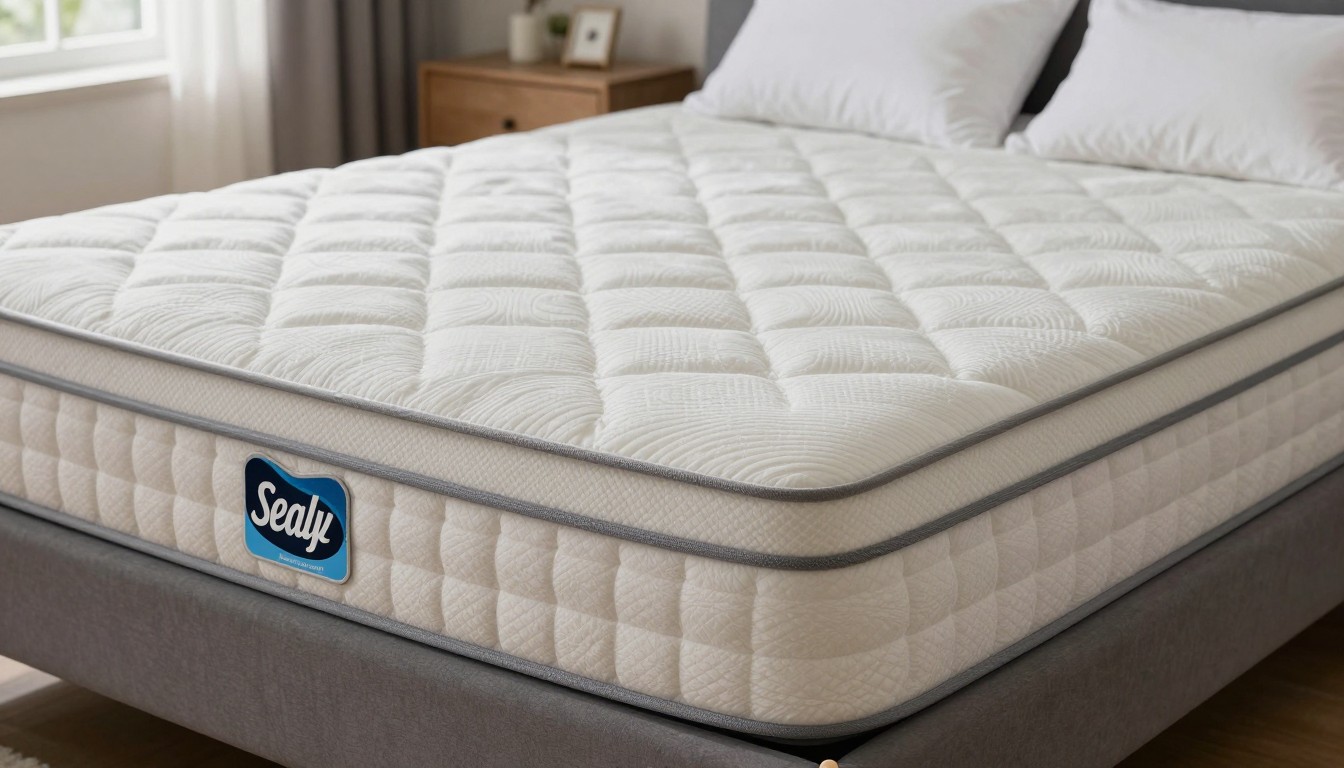
The key detail is the build: this is described as a coil-based mattress with a quilted cover, foam comfort material, a pocketed-coil core, and a base or protective foam layer. According to the commonly listed product details for the Prosser Hills line, its design puts the coil unit at the center of its support story.
That matters because coils and comfort foam do different jobs. The coil unit is meant to carry the broad load and respond under the body. The foam above it is the buffer between you and that springier support. With a firm model, I expect that buffer to be less dominant in the overall feel than it would be on a mattress built around a deeper pressure-relieving comfort section.
The model is also described as a Costco Direct offering, according to the product information summarized for it. Costco-exclusive mattresses can be useful for shoppers who want a familiar brand in a warehouse-style buying channel, but model names and feature labels do not automatically tell you how the surface will feel in your bedroom.
The construction takeaway: Buy this model for a coil-led, firm sleep surface. Don’t assume that a branded support system will create plush contouring, because the comfort layers determine much of that day-to-day pressure feel.
Sealy’s use of terms such as PrecisionFit-style pocketed coils and edge-support features is consistent with the way this line is marketed, according to the product summary. Those labels point to zoned or individually responsive coil support, but they do not replace the practical question every buyer should ask: how much give is there at your shoulders, hips, and lower back?
If you are comparing nearby Sealy models, it is worth reading the details on the Sealy Posturepedic Plus Stayman before treating every Posturepedic Plus mattress as interchangeable. Similar naming can mask meaningful differences in surface feel and materials.
The Firm Feel Is the Whole Point, and the Main Risk
This version is commonly characterized as extra-firm relative to many mattresses carrying a standard “firm” label, according to the supplied model summary. That is the most useful warning in the entire listing. A mattress can be supportive without feeling hard, but this one appears aimed at sleepers who prefer very limited initial sink.
For back sleepers, a firmer surface can feel steady if the mattress lets the hips settle only modestly while keeping the rest of the body supported. For stomach sleepers, that resistance can also be appealing because many people in that position dislike a deeply cushioned surface. Those are fit considerations, not promises, because comfort changes with body shape, sleep habits, and the pillow you use.
Side sleepers are the group I’d approach most cautiously. The product summary notes that the firm version may offer limited contouring and that side sleepers can struggle with shoulder and hip pressure on the firmer side. If you wake up because a shoulder feels jammed rather than supported, “more firm” is rarely the answer.
Good fit: a sleeper who already knows they enjoy a stiff, level mattress and wants coil support without a pronounced hug.
Questionable fit: a dedicated side sleeper, anyone seeking deep cushioning, or a shopper replacing a mattress that already feels uncomfortably rigid.
There is also a plush version in the same Prosser Hills line, according to the product summary, and it is described as closer to medium-firm. That does not make the plush option universally better. It simply recognizes that comfort material has a job beyond softness: it has to distribute pressure before the body reaches the support core.
I would not use the word “firm” as shorthand for durability or back comfort. Firmness describes the immediate resistance you feel. Long-term satisfaction also depends on whether the comfort material keeps providing enough cushioning for your sleeping position and whether the mattress is supported by an appropriate foundation.
Comparing options? The Saatva Classic is the pick we keep coming back to — see the final verdict ↓
Pocketed Coils Should Help With Movement and Edges
The stated coil system is a pocketed arrangement, described as PrecisionFit or a similar configuration in the model information. Individually responsive coils are commonly used to keep movement more localized than a single interconnected spring unit, although the actual result still depends on the foam layers and the precise coil construction.
For couples, that makes this a more reasonable starting point than a mattress whose entire surface moves as one piece. Still, no coil mattress should be treated as motionless. The model summary itself notes that coil-based designs can offer good motion separation, while the exact experience depends on coil density and the foam above the coils.
Edge support is another part of the pitch. The Prosser Hills is commonly associated with DuraFlex-style edge support or an equivalent perimeter feature, according to the product summary. A reinforced perimeter can make sitting or sleeping near the side feel more stable and can make the usable area of the bed feel less cramped.
| Feature | What the model information indicates | What I’d take from it |
|---|---|---|
| Core support | Pocketed-coil construction, according to the listed model details. | Expect a responsive, support-led base rather than an all-foam feel. |
| Motion handling | Coils are marketed to reduce motion transfer, according to the product summary. | Potentially helpful for partners, but not a substitute for a thick motion-damping foam design. |
| Perimeter | Edge-support features are part of the stated design, according to the model summary. | A positive for using the side of the bed, with normal perimeter compression still possible. |
That last caveat is worth keeping. The product summary notes that some sinkage at the extreme perimeter is common with many coil mattresses. Reinforced edges improve the boundary; they do not turn the very edge into the same surface as the center.
Cooling Features Are Helpful, Not a Temperature Guarantee
The cover is commonly marketed with MoistureProtect-style cooling technology and a breathable surface, according to the Prosser Hills product summary. A coil core also leaves more open space than a solid foam core, which is why coil designs are often chosen by people concerned about retaining heat.
I see that as a reasonable design direction, not a guarantee that the bed will sleep cool for every person. Your room temperature, mattress protector, sheets, comforter, and personal heat output all affect the result. A cooling cover can improve the surface experience, but it cannot control every layer placed above it.
The firmer feel may also change how you perceive heat. Less deep contouring can mean less of your body is enveloped by comfort material, but that is not the same as a universal cooling result. The model information correctly frames temperature regulation as dependent on the sleeper and sleep environment.
My practical read: The breathable coil core and cooling-cover marketing are sensible features to have. If sleeping hot is your primary concern, judge the full bed setup, not the cover name alone.
If you want to see how a different Sealy configuration is positioned, compare the construction discussion in our Sealy Posturepedic Plus Satisfied II review. The point is not that one name wins by default. It is that comfort layers and overall build matter more than a shared collection label.
Durability Depends on the Parts We Cannot Fully Verify
The Prosser Hills is described as a budget coil-and-foam construction in the product summary, and that description sets the right expectation. The coil core supplies the main structural support, while the comfort materials take the repeated compression closest to the body.
Those upper materials deserve the closest scrutiny over years of use. The product summary notes that sustained use in high-pressure areas can contribute to indentations, particularly where the comfort layer is relatively thin. That is a general trade-off to consider with a firm coil-and-foam build, not a claim that every Prosser Hills mattress will develop a defect.
Because the available model details do not establish the density or thickness of each foam layer, I would not make an overly confident durability prediction. That missing detail matters. Foam specifications are useful because they help shoppers distinguish between a mattress that feels firm today and one that has enough material information to assess how the comfort surface may hold up.
A supportive foundation remains part of the equation. Proper support is especially relevant for a coil mattress because an uneven or inadequate base can change how the surface feels and how the load is distributed. Check the applicable manufacturer and retailer terms for the foundation requirements attached to the mattress you purchase.
What I’d verify before ordering: the current retailer listing, the exact return and delivery terms in your area, and any material specifications the seller makes available for the specific firm version.
That is also why I would avoid treating one reported height measurement as a performance claim. Listings commonly describe this as the firm model in the Prosser Hills line, while the broader summary notes that measurements can vary by production lot or method. Construction details are more useful than chasing a marginal measurement difference.
The Price History Looks Variable, So Verify the Current Listing
The recorded prices show that this mattress has not sat at one fixed level. BuyHatke lists prices of $649.99 and $749 for the Costco Sealy Posturepedic Plus Prosser Hills firm or plush listing, while TrueGether lists $899.89 for the firm or plush mattress listing. Those are listing references, not a promise of the price you will see today.
That spread tells me to slow down before calling this a bargain or a poor value. Retailer availability, membership conditions, local delivery arrangements, bundles, and promotions can all affect what a shopper pays, according to the broader product summary. The only useful price is the current price attached to the exact size and version you intend to buy.
Value here is mostly about fit. If you know you want a firm, coil-based mattress and the current listing makes sense to you, the basic construction is aligned with that goal. If you are uncertain about firmness, it is much harder to call any lower price a good deal, because an uncomfortable mattress is expensive even when the checkout total is modest.
I would also read the Sealy Posturepedic Summer Rose firm review before deciding that the Prosser Hills is the only firm option worth considering. A product name does not tell you enough about pressure relief, edge behavior, or the role of its comfort layers.
My Verdict: Buy for Stiff Support, Skip for Pressure Relief
The Prosser Hills firm makes the most sense for a back or stomach sleeper who already knows they prefer a distinctly firm surface and wants the responsive feel of a pocketed-coil mattress. Its stated coil support, edge-support focus, and breathable-cover marketing are all coherent with that purpose, according to the product summary.
I would skip it if you sleep mostly on your side, want a pronounced cushioning layer, or are hoping that “firm” will solve every support concern. The same model information that makes this a plausible choice for firm-mattress fans also flags limited contouring as the central trade-off.
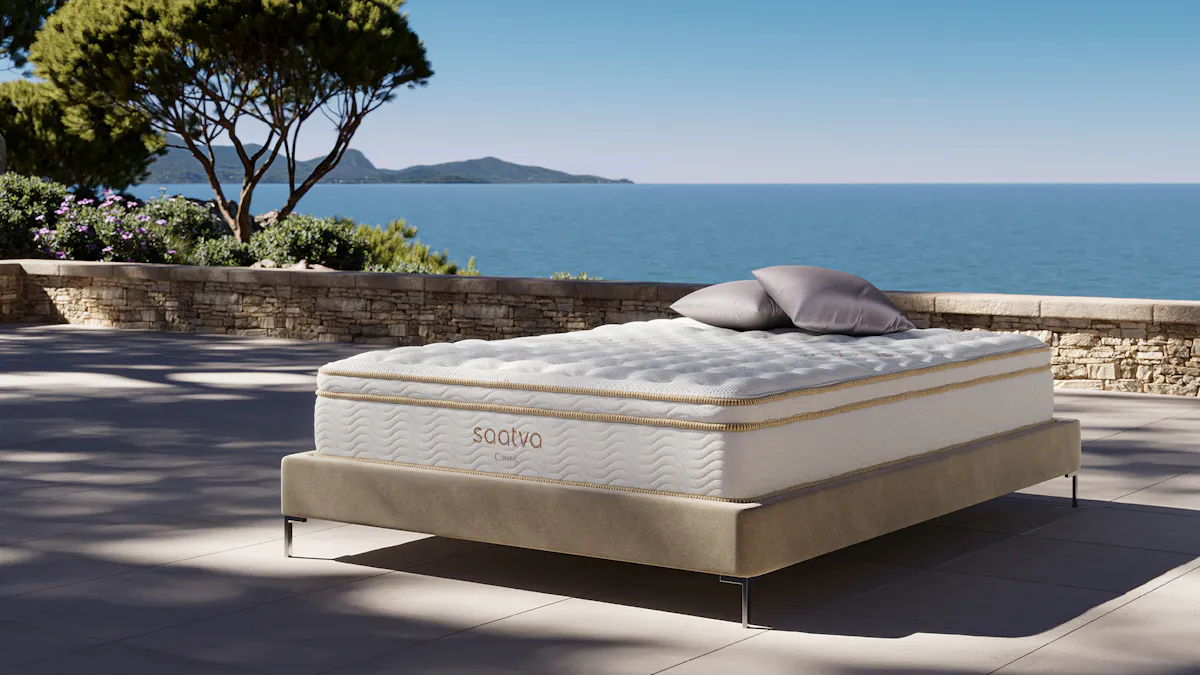
For shoppers who want a more flexible luxury-mattress alternative, the Saatva Classic is the one I’d compare next. Per the manufacturer, it offers flexible financing, a 365-night home trial, a lifetime warranty, and handcrafted construction in the USA. Those purchase terms can matter as much as the initial feel when you are not fully certain that an extra-firm surface is right for you.
Bottom line: This is a focused mattress, not a universal crowd-pleaser. Choose it if stiff, coil-based support is exactly what you want. Pass if you need pressure relief to be part of the deal.
FAQ
Is the Prosser Hills firm a good choice for side sleepers?
I would be cautious. The product summary describes the firm version as very stiff with limited contouring, and it specifically notes that side sleepers may struggle with pressure relief around the shoulders and hips.
Does this mattress use coils or foam?
It is described as a coil-based mattress with foam comfort material, a pocketed-coil core, and a base or protective foam layer, according to the commonly listed construction details. That combination should feel more responsive than an all-foam construction.
Will it isolate a partner’s movement?
The pocketed-coil design is marketed to reduce motion transfer, according to the product summary. It may help compared with a fully interconnected coil system, but the available information does not support promising a motion-free surface.
Does the edge feel supportive?
The model is marketed with an edge-support feature, according to the product summary, which is a positive sign for sitting or sleeping near the side. Some compression at the very perimeter remains normal for many coil mattresses.
What should I check before I buy?
Confirm the current price, the exact retailer policies, delivery details, and the specifications for the exact firm model you are viewing. BuyHatke and TrueGether show different listed prices, so an older listing should not be treated as the current offer.
FINAL VERDICT
Before you settle: if sealy posturepedic plus prosser hills 12'' firm is what brought you here, the Saatva Classic is the value pick on this page — more home-trial and warranty coverage than the alternatives covered here. Confirm current price, dimensions and terms on the official product page before ordering.
OUR CATEGORY-MATCHED PICK · UP TO $625 OFF
Saatva Classic
- 365-night home trial and lifetime warranty, per saatva.com
- Handcrafted in the USA, free white-glove delivery
- Flexible financing available