by
by Quick answer: The Prosser Hills suits back and stomach sleepers who want a firm, steady coil feel. Side sleepers wanting deeper cushioning should compare the Saatva Classic before deciding.
- Costco positions this as an exclusive Sealy Posturepedic Plus mattress.
- Listings describe a coil core, foam comfort materials, and reinforced edge support.
- Retail descriptions indicate plush and firm feel options, so confirm the exact version before checkout.
Updated July 2026 · Reviewed for accuracy
The Sealy Posturepedic Plus Prosser Hills is a sensible buy if your priority is stable support, usable edges, and the familiar bounce of a coil mattress. I’d be more cautious if you sleep mainly on your side or expect a thick comfort layer to take pressure off your shoulders and hips.
Costco presents the Prosser Hills as an exclusive Posturepedic Plus model. That matters because the name alone doesn’t tell you the feel. The plush and firm versions can serve very different sleepers, and the version in front of you is the one that counts.
Prosser Hills is built around coils, not deep cushioning
The central construction fact is simple: this is a coil mattress with foam above it. Costco and retailer listings describe a quilted cover, polyfoam comfort materials, a coil support unit, and edge-focused support features. That recipe usually creates a flatter, more responsive sleep surface than a mattress built around thick layers of slow-moving foam.
I like the honesty of that construction for the right buyer. Coils do the heavy lifting. They resist the trapped, low-down feeling that some sleepers dislike in foam beds, and the perimeter support is meant to make the usable surface feel less compromised near the edge. Per retailer descriptions, low sink is part of the intended character here.
The tradeoff sits above the coils. Independent review coverage describes the comfort layer as relatively thin, which is the detail I’d focus on most. A thinner comfort package can preserve support and ease of movement, but it leaves less material between your body and the firmer parts of the mattress.
The Nut’s construction read: A coil core and restrained foam layer can be durable-minded design, but it won’t automatically feel pressure-relieving. Support and cushioning are related, not interchangeable.
That distinction explains why this model is likely to feel more convincing to sleepers who want to stay on top of the mattress. If you want your hips held up and your position to change without effort, this construction has a clear logic. If you want pronounced contour around your shoulder, the same construction can feel sparse.
The quilted top may soften the first contact, according to retailer listings, but quilting should not be mistaken for a deep comfort system. It can improve surface plushness. It cannot replace enough cushioning depth for a side sleeper who needs sustained pressure relief through the night.
The firm option is the safer match for back and stomach sleepers
The firm version is consistently described by review outlets as very firm, while the plush option is described as closer to a balanced, medium-firm feel. Those labels are useful directionally, but your body weight, sleep position, and sensitivity to pressure will still decide the result.
For back sleepers, a firmer coil surface can make practical sense. The goal is to avoid letting the pelvis settle more deeply than the upper body. The Prosser Hills’ limited sink and coil support, as described by independent reviews, point toward that kind of steady, level sensation.
For stomach sleepers, I’d lean toward the firmer configuration as well. A mattress that allows too much hip drop can make stomach sleeping uncomfortable. The firmer version’s more held-up feel is the relevant feature here, not the marketing name printed on the label.
Side sleepers are the group I’d ask to slow down. Your shoulder and hip need room to settle without taking the full force of a taut comfort layer. Independent review coverage flags mixed pressure-relief results, especially for side sleepers, and that is consistent with a thinner foam package over coils.
Choose by sleep position, not by the word “plush.”
- Back sleepers should prioritize steady lumbar and hip support.
- Stomach sleepers should prioritize minimal hip sink.
- Side sleepers should prioritize enough cushioning at the shoulder and hip.
There’s another wrinkle: plush on a coil mattress does not necessarily mean deeply soft. It may simply mean less firm than the alternate version. If you are shopping in person, spend enough time on your usual side position to notice whether your shoulder is being cushioned or merely pushed back upward.
Comparing options? The Saatva Classic is the pick we keep coming back to — see the final verdict ↓
Edge support is one of its clearest strengths
The edge system is not a minor detail here. Costco-oriented listings and independent reviews repeatedly point to robust edge support. For me, that is one of the more persuasive reasons to consider a coil mattress in this category.
Strong edges matter when you sit to put on shoes, sleep closer to the perimeter, or share the bed and want the full width to feel usable. A weak edge can make a larger mattress feel smaller in daily life. A reinforced perimeter helps the surface feel more consistent from the center outward.
That doesn’t mean the Prosser Hills is automatically right for every couple. Edge stability and motion control solve different problems. The former is about support at the border. The latter is about whether a partner’s movement travels across the surface. This model’s coil design gives it an advantage in ease of movement, while its reported motion isolation is better than many shoppers expect from a spring-based bed.
According to independent review outlets, the mattress limits motion fairly well for a coil model. That is encouraging for couples with different schedules, but I would still set expectations correctly: a spring mattress can feel responsive without feeling completely deadened. If you are extremely sensitive to movement, the exact plushness of the top layer will matter.
Cooling should be decent, but the surface feel still matters
Coils leave more open space inside a mattress than a solid block of foam. That structure can encourage airflow, and review coverage describes the Prosser Hills as reasonably breathable for a coil design. I see that as a practical plus, especially for sleepers who dislike the enclosed feel associated with some all-foam beds.
Still, “breathable” is not a promise that every sleeper will feel cool. Body temperature, bedding, room conditions, and how far you sink into the surface all influence heat. The more useful takeaway is that the mattress’s coil-forward construction gives it a plausible ventilation advantage over a design with no spring core.
The firmer configuration may also help sleepers who dislike heat buildup caused by deep sinkage. Less sink generally means less of your body is surrounded by upholstery. That is a construction-based observation, not a guarantee about overnight temperature.
What I’d verify at the store: Lie in your normal position, then roll toward the edge. You are checking two things at once: whether the top relieves pressure and whether the perimeter stays supportive enough for how you actually use a bed.
If cooling is your only concern, don’t let it override comfort. A mattress that lets air move but causes shoulder pressure is still the wrong mattress for a dedicated side sleeper. Start with alignment and pressure relief. Treat airflow as a useful supporting feature.
Motion isolation is better than the coil label suggests
The Prosser Hills is described by reviewers as having strong motion isolation for a coil mattress. That is worth calling out because many shoppers assume springs automatically mean every movement travels across the bed. Construction is more nuanced than that.
The foam above the coils can absorb some motion before it reaches the rest of the surface. The exact result depends on the version you choose and the sensitivity of the people sleeping on it, but this model appears designed to temper the bounce rather than maximize it.
For couples, I’d frame this as a balanced proposition. You get a surface that should be easier to move across than a deep memory-foam bed, yet reviews indicate that it avoids the livelier, more disruptive feel some traditional spring mattresses can have. That middle ground will appeal to people who want responsiveness without every turn becoming a shared event.
Do not confuse motion isolation with softness, though. A mattress can reduce movement transfer and still feel firm at the shoulder. These are separate performance categories, and the Prosser Hills’ biggest question remains how its comfort layer meets your preferred sleep position.
Value depends on which compromise you can live with
Retail listings position the Prosser Hills as a value-oriented coil option, and Costco’s exclusive distribution is part of that appeal. I would not make a purchase from a headline price alone, especially since retailer availability and current offers can change. Check the live price and the exact configuration at the point of purchase.
The more durable-minded argument is straightforward. A coil core, a stable surface, and reinforced edges are sensible ingredients for shoppers who dislike excessive sink. The less compelling part is equally straightforward: a restrained comfort layer may not give every body enough pressure relief.
| What you value | What the Prosser Hills appears to offer | What to watch for |
|---|---|---|
| Stable support | Coil-forward construction with minimal reported sink | The firm option may feel too rigid for some bodies |
| Usable edges | Reinforced edge-focused design, per listings | Confirm the exact version and retailer configuration |
| Side-sleeper comfort | The plush option may be more accommodating | Reviews report mixed pressure relief from the thinner comfort layer |
If you are comparing nearby Sealy models, read the construction details rather than assuming the collections feel alike. My reviews of the Sealy Posturepedic Plus Stayman, the Satisfied II, and the Opportune II can help you keep those differences straight.
Who should buy it, and who should keep looking
Buy the Prosser Hills if you are a back or stomach sleeper who wants a firmer, more buoyant coil feel, solid perimeter support, and less sink than a deep foam mattress provides. It also makes sense for couples who want better motion control than they expect from a spring-based design.
Keep looking if you are primarily a side sleeper who already knows that your shoulders need substantial give. The plush version may reduce that concern, but the mattress is still described around a coil core and relatively restrained comfort materials. Your pressure-relief needs should lead the decision.
I’d also keep looking if you expect one label to answer every question. “Posturepedic Plus” is a product family signal, not a feel guarantee. Confirm whether you are looking at plush or firm, check the current listing details, and do not assume that a retailer’s displayed height or package details will match every version.
My verdict: This is a good coil mattress for sleepers who value support and edges more than deep contouring. For a broader comparison, I’d look at the Saatva Classic’s current construction and purchase terms directly before making the final call.
FAQ
Is the Sealy Posturepedic Plus Prosser Hills good for side sleepers?
It may work for some side sleepers in its plush version, but independent review coverage reports mixed pressure relief. If your shoulder and hip are sensitive to a firmer surface, spend time in your normal side position before buying.
What is the difference between the plush and firm versions?
Retail and review descriptions characterize the firm option as substantially firmer, while the plush option is presented as more balanced. The distinction is significant enough that you should confirm the exact version on the listing rather than relying on the shared model name.
Does this mattress have good edge support?
Yes, edge support is one of the more consistent strengths described in Costco-oriented listings and independent reviews. Its coil construction and edge-focused support system are intended to make sitting and sleeping near the perimeter feel more stable.
Does the Prosser Hills sleep hot?
Review coverage describes decent airflow for this coil design. The spring core can allow more internal air movement than an all-foam construction, though bedding, room conditions, and your own sleep temperature still affect the result.
Is it a good mattress for couples?
It can be, particularly for couples who want usable edges and less motion transfer than a traditional bouncy spring mattress. According to independent reviews, motion isolation is notably good for a coil model, though the comfort level still needs to suit both sleepers.
FINAL VERDICT
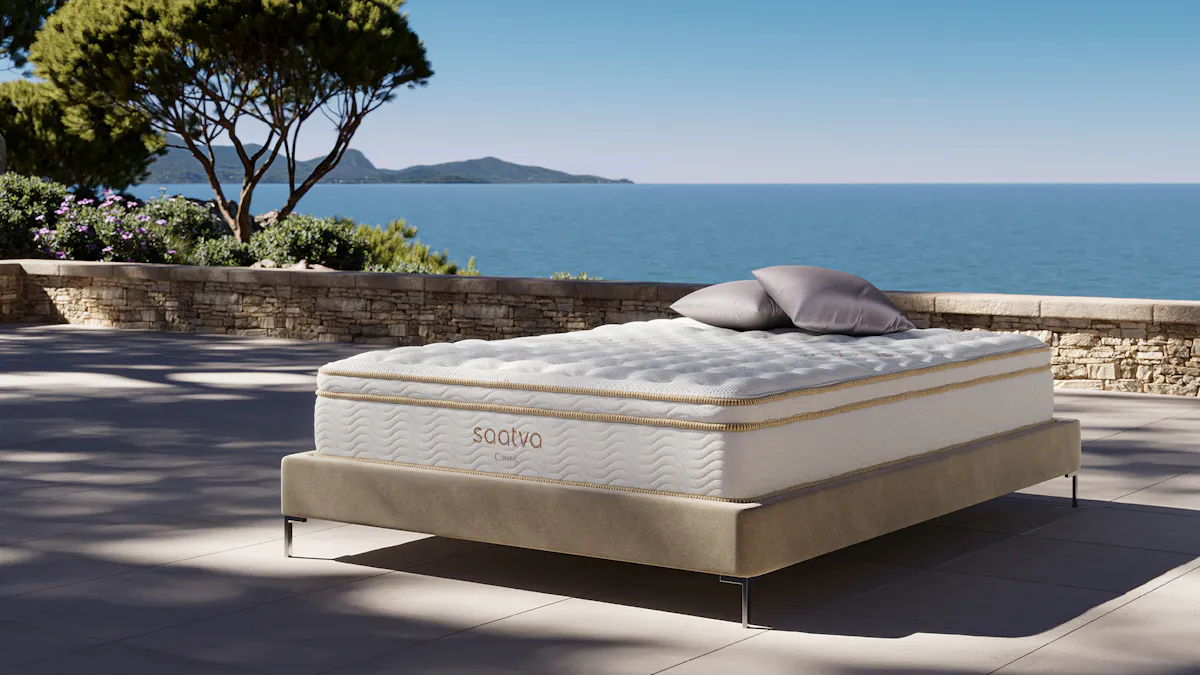
Before you settle: if sealy posturepedic plus prosser hills is what brought you here, the Saatva Classic is the value pick on this page — more home-trial and warranty coverage than the alternatives covered here. Confirm current price, dimensions and terms on the official product page before ordering.
OUR CATEGORY-MATCHED PICK · UP TO $625 OFF
Saatva Classic
- 365-night home trial and lifetime warranty, per saatva.com
- Handcrafted in the USA, free white-glove delivery
- Flexible financing available