
 by
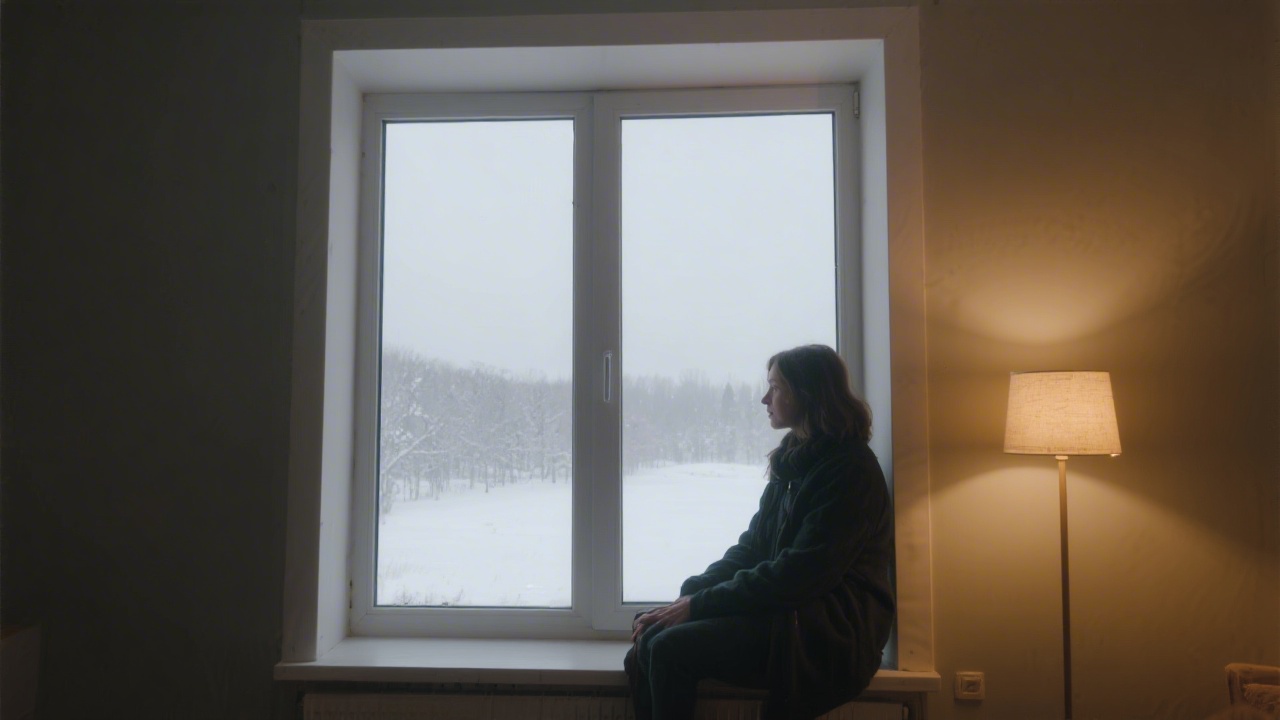
by Seasonal affective disorder is not the winter blues. It is a DSM-5 recognized mood disorder — a subtype of major depressive disorder or bipolar disorder with a seasonal pattern — affecting an estimated 4-6% of the US population, with subsyndromal ("winter blues") affecting a further 10-20%. The sleep disruption in SAD is distinct from typical insomnia, and the interventions are different as a result.
How SAD Affects Sleep Differently From Regular Insomnia
The hallmark sleep presentation in SAD is hypersomnia — too much sleep, not too little. People with SAD typically sleep 1-4 hours more per night in winter than in summer, report non-restorative sleep despite extended time in bed, and experience profound morning difficulty (sleep inertia that lasts for hours rather than minutes). This is the opposite of the insomnia profile, where the complaint is insufficient sleep.
The underlying mechanism is circadian phase delay driven by reduced morning light. In winter at northern latitudes, morning light intensity and duration decrease sharply. The circadian clock, lacking its morning entrainment signal, shifts later — pushing the DLMO later into the evening and making the optimal sleep window occur at a biologically late clock time. The result is a mismatch between social obligations (early morning start times) and the delayed internal clock.
The Rosenthal Research Foundation
SAD as a clinical entity was first formally described by Norman Rosenthal and colleagues at the NIMH in 1984. Rosenthal's team identified the seasonal pattern, the hypersomnia profile, and — crucially — the effectiveness of bright light therapy. The original trials used 2,500 lux for 2 hours in the morning, achieving remission rates comparable to antidepressants. Subsequent research by Terman et al. at Columbia established 10,000 lux for 30 minutes as the more practical standard, with equivalent efficacy and better compliance.
The circadian theory of SAD proposes that the disorder reflects a pathological phase delay — a circadian clock that doesn't advance adequately in response to winter's reduced morning light. Morning light therapy is so effective precisely because it acts on the root mechanism rather than downstream symptoms.
Evidence-Based Interventions
1. Bright light therapy (first-line)
A 10,000 lux light therapy box used for 20-30 minutes within an hour of natural wake time is the most evidence-based behavioral treatment for SAD. A 2005 meta-analysis by Golden et al. found light therapy comparable to antidepressants (NNT ~4) for SAD. The Canadian Network for Mood and Anxiety Treatments (CANMAT) guidelines list bright light therapy as a first-line intervention for SAD alongside medication and CBT.
2. Dawn simulation
A dawn simulator that gradually brightens the bedroom over 30 minutes before the scheduled wake time has been validated specifically for SAD in studies by Terman and Wirz-Justice. The proposed mechanism is phase advancing during the tail end of sleep, which is particularly relevant for SAD patients with circadian phase delay. In some head-to-head trials, dawn simulation showed comparable efficacy to full-intensity light therapy for mild-to-moderate SAD.
3. Outdoor morning exposure
Even in winter, outdoor morning light on a clear day delivers 10,000+ lux. A brisk 20-30 minute morning walk on clear winter days provides the same circadian signal as a clinical light therapy session. This is free, includes exercise (which has independent antidepressant evidence), and provides UV exposure relevant to vitamin D synthesis. On genuinely overcast days, outdoor light intensity drops to ~5,000 lux but still exceeds indoor lighting by 10-25x.
4. Cognitive behavioral therapy for SAD (CBT-SAD)
CBT adapted for SAD targets rumination, behavioral withdrawal, and negative cognitions about winter. Rohan et al. (2015) found CBT-SAD and light therapy had similar short-term efficacy, but CBT-SAD showed better prevention of recurrence in subsequent winters — a meaningful advantage for a disorder defined by seasonal recurrence.
5. Pharmacological
Bupropion XL (Wellbutrin XL) has FDA approval specifically for seasonal major depressive episodes (prophylactic use starting in autumn). SSRIs have evidence for acute treatment but not prophylaxis. Pharmacological treatment is typically reserved for moderate-severe cases or those who don't respond adequately to light therapy.
Managing SAD-Related Sleep Issues Specifically
Hypersomnia in SAD is driven by delayed circadian phase and increased sleep pressure secondary to mood symptoms. The primary intervention is phase advancing (morning light), not restricting sleep. Sleep restriction in SAD can worsen mood. Instead:
- Anchor wake time consistently, even on weekends — this is the single most powerful phase-anchoring behavior
- Use morning light therapy immediately upon waking
- Resist the urge to nap during the day — afternoon naps increase sleep pressure offset and worsen phase delay
- Evening amber light protocol to prevent further phase delay (see amber light for sleep)
- Keep bedroom temperature cool (65-68°F / 18-20°C) to support the core body temperature drop associated with melatonin onset
A high-quality sleep surface that provides temperature regulation and pressure relief reduces nighttime arousals, which are particularly disruptive when SAD-related sleep architecture is already fragmented. The Saatva Classic's breathable organic cotton construction and individually wrapped coil system address both temperature and pressure relief. See the Saatva Classic here.
Frequently Asked Questions
Is SAD the same as the winter blues?
No. SAD is a DSM-5 recognized mood disorder requiring clinical diagnosis. The winter blues (subsyndromal SAD) involves milder, non-debilitating mood and energy changes. Both respond to light therapy, but SAD may require more intensive treatment including medication or CBT.
Does SAD cause insomnia or too much sleep?
Most people with SAD (winter subtype) experience hypersomnia — sleeping more than usual but feeling unrefreshed. Some experience mixed presentations with both hypersomnia and difficulty waking. Classic insomnia (difficulty falling or staying asleep) is more common in summer-pattern SAD, which is less prevalent.
When should I start light therapy to prevent SAD?
For prophylactic use, Terman recommends starting light therapy in early autumn, before typical symptom onset. For most people at risk, this means beginning in September or October at northern latitudes. Bupropion XL has FDA approval for prophylactic SAD use beginning in autumn as well.
Can vitamin D supplementation treat SAD?
The evidence for vitamin D as an SAD treatment is inconsistent. Several RCTs have found no significant benefit compared to light therapy or antidepressants. Vitamin D deficiency may contribute to mood symptoms generally, but replacing it doesn't reliably resolve SAD. Bright light therapy has considerably stronger evidence.
Is SAD more common in women?
Yes. SAD affects approximately 3-4 women for every 1 man. The gender difference is less pronounced at northern latitudes where the condition is most prevalent. The mechanism behind the gender difference is not fully established but may involve estrogen modulation of serotonin and melatonin pathways.
Our Top Mattress Pick
The Saatva Classic consistently ranks #1 for comfort, support, and long-term durability.
View Saatva Classic Pricing & Details