
 by
by Upgrade your sleep with Saatva
The Saatva Classic is handcrafted in the USA, with three firmness options and a 365-night home trial. No showroom pressure.
The idea that humans might hibernate is usually dismissed as folklore. But at high latitudes, extended winter darkness produces measurable changes in human sleep biology that have driven real cultural adaptations across Siberia, Scandinavia, and the Alpine regions. These practices range from documented multi-month sleep states in 19th century Russia to the softer seasonal withdrawal embedded in Nordic hygge culture — and all are rooted in the same circadian biology.
Lotska: The Russian Winter Sleep
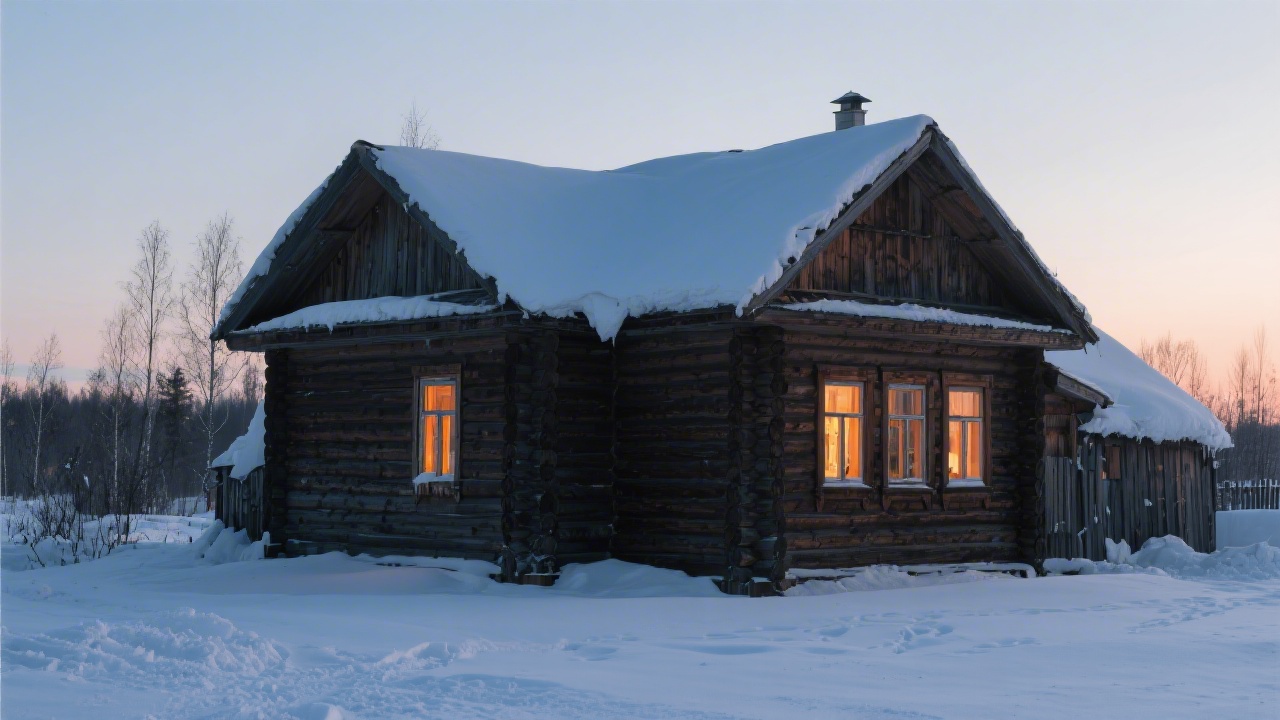
The most dramatic documented case of human hibernation-adjacent behavior comes from a 1900 report in the British Medical Journal, which described a practice in the Pskov region of rural Russia called lotska. According to the account, peasant families facing harsh winters with inadequate food stores would collectively enter a period of extended sleep lasting up to six months. The family would gather, eat one light meal daily, sleep for approximately 20 of every 24 hours, and conserve resources until spring.
The medical writer described healthy adults and children emerging in spring apparently none the worse for their winter reduction. The account is treated cautiously by modern sleep researchers — it was based on secondhand observation and has not been independently replicated. But extreme caloric restriction does measurably reduce metabolic rate, core temperature, and sleep architecture in ways that parallel very shallow hibernation. The Pskov account may describe a real adaptive response to food scarcity and extreme cold rather than a metabolic impossibility.
The Circadian Biology of Winter Sleep
You do not need to read 19th century Russian medical reports to observe seasonal sleep variation. Modern actigraphy studies of individuals without artificial lighting show 1.9 to 2.4 hours more sleep in winter than summer. The mechanism is melatonin: the pineal gland responds to reduced photoperiod (daylight hours) by extending melatonin secretion duration. In summer, melatonin is suppressed by early morning light. In winter at high latitudes, morning darkness allows melatonin to persist well past 7 AM.
Modern artificial lighting largely suppresses this response, but not entirely. Research by Kenneth Wright at the University of Colorado found that even in urban environments with constant artificial lighting, individuals showed measurable shifts in melatonin timing and sleep architecture between summer and winter, suggesting the photoperiod signal reaches the suprachiasmatic nucleus through partial suppression.
Scandinavian Winter Practices
The Nordic countries have cultural frameworks that explicitly accommodate winter’s biological demands. The Danish and Norwegian concept of hygge — difficult to translate precisely but encompassing warmth, coziness, and intentional retreat from stimulation — provides social permission for behaviors that other cultures might pathologize as seasonal depression or laziness: earlier bedtimes, longer evenings at home, reduced social obligations, and deliberate physical slowing.
Finnish talviunet (winter sleep) and Swedish vintervila (winter rest) are more explicit framings of the same phenomenon. Traditional Sami communities in northern Scandinavia and Finland observe a significant shift in activity patterns between the polar night period (November through January above the Arctic Circle) and summer, with winter characterized by longer sleep, reduced travel, and conservation of energy.
Alpine Winter Traditions
Alpine communities in Switzerland, Austria, and northern Italy developed similar seasonal rhythms driven by agricultural constraints. Winter was the period when mountain farming was physically impossible and the community withdrew into valleys. Extended sleep periods, earlier nighttime fires, and reduced caloric activity were practical adaptations to cold and darkness that have left cultural traces in regional traditions of winter rest and renewal.
What This Means for Modern Sleepers
The most practical implication of seasonal sleep biology is that resisting winter sleep drives may impose measurable costs. Seasonal Affective Disorder (SAD), which affects an estimated 5% of Americans and higher proportions in northern states and Canada, is directly related to photoperiod disruption and melatonin dysregulation. Light therapy (10,000 lux morning exposure) is the primary evidence-based treatment because it mimics the summer photoperiod signal the circadian system expects.
For individuals who do not have SAD but notice winter fatigue and earlier tiredness, allowing sleep timing to shift 30-60 minutes earlier in winter is consistent with circadian biology. A good mattress matters more in winter for a counterintuitive reason: people spend more time in bed. A mattress that holds pressure points and reduces temperature comfort will have more cumulative impact on quality when sleep duration increases.
Internal Links
For context on natural human sleep patterns, see our guide on hunter-gatherer sleep. Our piece on modern sleep deprivation causes covers how artificial lighting disrupted seasonal sleep rhythms. See our best cooling mattress guide for recommendations on temperature-regulating sleep surfaces.
Frequently Asked Questions
Did Russian peasants actually hibernate in winter?
Reports from 19th century accounts, including a piece in the British Medical Journal from 1900, describe Russian peasants in Pskov oblast entering a state called lotska during deepest winter — spending up to 6 months largely sleeping, waking only to eat minimal amounts once a day. Whether this was literal hibernation or an adaptive response to food scarcity and extreme cold is debated. Physiologically, humans lack the brown adipose tissue density and metabolic switching capacity for true hibernation, but extreme caloric restriction combined with cold does significantly reduce metabolic rate and sleep patterns.
Why do people sleep more in winter?
The primary driver is photoperiod — the number of hours of daylight. As day length decreases, melatonin secretion begins earlier in the evening and extends later into the morning. Studies consistently show that individuals not using artificial lighting sleep 1.9 to 2.4 hours longer in winter than summer, driven by melatonin’s direct sleep-promoting effects. Modern artificial lighting suppresses this response but does not eliminate it entirely.
What is the Scandinavian concept of winter sleep?
Scandinavian cultures have not codified a formal winter sleep practice equivalent to the Japanese nap culture, but there is a recognized seasonal shift in social patterns. The hygge concept — a Danish and Norwegian term for cozy contentment — encompasses winter behaviors that include earlier evenings, more indoor rest, and reduced social obligation. This is culturally sanctioned seasonal withdrawal that aligns with circadian biology.
Do animals truly hibernate, and can humans approximate it?
True hibernation involves a reduction in body temperature to near-ambient levels, dramatic metabolic slowdown, and cessation of normal sleep cycles. Humans cannot physiologically hibernate. However, cold-adapted populations show elevated tolerance for cold and some evidence of metabolic adjustment. The closest human equivalent is found in extreme caloric restriction combined with cold exposure, which reduces core temperature and sleep metabolism.
Should modern people sleep more in winter?
Most sleep researchers believe that allowing seasonal variation in sleep timing and duration is consistent with circadian biology. Sleeping 30-60 minutes longer in winter and shifting sleep timing 30-60 minutes earlier is a natural photoperiod response. Resisting this response with artificial lighting and stimulants may contribute to the winter mood disorders and productivity dips that affect significant portions of the population in high-latitude countries.
Upgrade your sleep with Saatva
The Saatva Classic is handcrafted in the USA, with three firmness options and a 365-night home trial. No showroom pressure.