
 by
by Protect Bone Health With Quality Sleep
If sleep quality is affecting your health, your mattress matters. The Saatva Mattress is our top pick for pressure relief, spinal alignment, and temperature regulation.
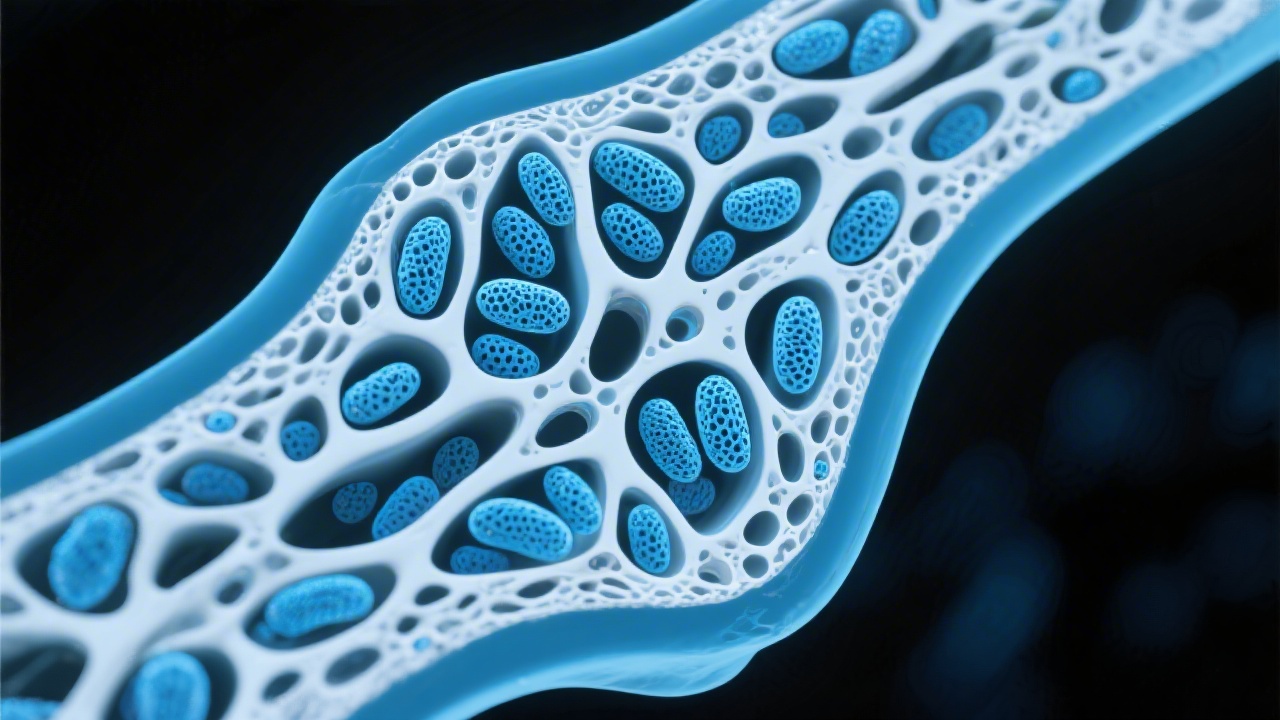
Bone is a living tissue in continuous renewal. Every day, osteoclasts dissolve old or damaged bone (resorption) and osteoblasts deposit new bone matrix (formation). This process — bone remodeling — follows a precise circadian schedule, with different phases peaking at different times of day and night.
Sleep is when the hormonal environment shifts decisively toward formation. Disrupt sleep chronically, and the balance tips toward net resorption — the mechanism underlying osteoporosis.
Circadian Bone Remodeling: The Basic Science
Bone remodeling markers show clear 24-hour patterns:
- Bone resorption (CTx, NTx): Peaks in the early morning hours and is suppressed by food intake. Overnight fasting means resorption runs unchecked during sleep.
- Bone formation (P1NP, osteocalcin): Formation markers peak several hours after sleep onset — the building phase that follows the resorption trough.
The cycle is driven primarily by three sleep-regulated hormones:
Growth Hormone: The Formation Driver
GH stimulates IGF-1 production in osteoblasts and promotes bone matrix synthesis. Its secretion is almost entirely sleep-dependent: 70-80% of daily GH is released in a single pulse during the first slow-wave sleep episode. Sleep deprivation removes the primary anabolic signal for bone formation.
Cortisol: The Resorption Accelerator
Cortisol activates osteoclasts, inhibits osteoblasts, reduces calcium absorption, increases renal calcium excretion, and suppresses sex hormone production. Sleep deprivation increases 24-hour cortisol exposure by elevating evening and nighttime levels that normally trough.
Melatonin: The Resorption Inhibitor
Osteoclasts and osteoblasts both express melatonin receptors. Melatonin inhibits osteoclast differentiation and activity while promoting osteoblast function. Sleep deprivation and nighttime light exposure suppress melatonin, removing this pro-formation signal.
Epidemiological Evidence: Sleep Duration and Bone Density
- A 2022 study in the Journal of Bone and Mineral Research analyzing 11,000 postmenopausal women found those sleeping fewer than 6 hours had significantly lower hip and lumbar spine BMD.
- The Women's Health Initiative found that women sleeping 5 hours or less had 22% higher hip fracture risk than those sleeping 7 hours.
- Animal models of sleep deprivation consistently show reduced trabecular bone volume and strength within weeks.
Menopause, Sleep, and Bone: A Triple Intersection
Postmenopausal women face a convergence of bone health risks where sleep is central:
- Estrogen loss accelerates bone resorption AND disrupts sleep (hot flashes, sleep maintenance insomnia)
- Sleep disruption from menopause impairs the GH and melatonin signals that protect bone
- Cortisol elevation from chronic sleep deprivation compounds bone loss already driven by estrogen deficiency
Sleep Apnea and Bone Loss
Obstructive sleep apnea severely disrupts slow-wave sleep and is associated with lower BMD and increased osteoporosis risk. The intermittent hypoxia of sleep apnea may directly damage bone metabolism through oxidative stress pathways. CPAP treatment has shown some evidence of improving bone turnover markers. See: Best Mattresses for Sleep Apnea.
Practical Recommendations for Bone-Protective Sleep
- Protect slow-wave sleep: consistent schedule, cool room (65-68°F), limited alcohol
- 7-8 hours minimum: below 6 hours, the GH pulse is consistently blunted
- Darkness: complete darkness allows full melatonin secretion and its pro-bone formation effects
- Evening calcium: calcium absorption peaks during sleep — some clinicians recommend evening supplementation
- Treat sleep apnea: OSA-related GH suppression is a substantial and treatable bone health risk
See also: Sleep and Heart Health, Sleep Hygiene Tips.
Sleep Better, Protect Your Bones
If sleep quality is affecting your health, your mattress matters. The Saatva Mattress is our top pick for pressure relief, spinal alignment, and temperature regulation.
Frequently Asked Questions
How does sleep affect bone density?
Bone remodeling follows a circadian rhythm. Sleep deprivation reduces GH secretion, elevates cortisol, and disrupts the melatonin-bone pathway — net result is reduced bone mineral density over time.
Does poor sleep increase osteoporosis risk?
Yes. A 2022 JBMR study found women sleeping fewer than 6 hours had significantly lower hip and lumbar spine BMD. The Women's Health Initiative found 22% higher hip fracture risk in women sleeping 5 hours or less.
What role does melatonin play in bone health?
Melatonin inhibits osteoclast activity and stimulates osteoblast activity, shifting the balance toward bone building. Sleep deprivation suppresses this protective pro-formation signal.
How does cortisol from poor sleep affect bones?
Sleep deprivation elevates cortisol, which activates osteoclasts, inhibits osteoblasts, reduces calcium absorption, and suppresses sex hormones that protect bone.
Which sleep stages are most important for bone health?
Slow-wave (deep) NREM sleep — when the GH pulse that drives bone formation occurs. Protecting it through consistent timing, cool temperature, and limited alcohol is the most targeted intervention.
Our Top Mattress Pick
The Saatva Classic consistently ranks #1 for comfort, support, and long-term durability.
Key Takeaways
Sleep and Bone Health is a topic that depends heavily on individual needs and preferences. The most important thing is to consider your specific situation — your body type, sleep position, and personal comfort preferences — before making any decisions. When in doubt, take advantage of trial periods to test before committing.