
 by
by Ready to upgrade your sleep surface?
A supportive, temperature-neutral mattress is one of the most evidence-backed changes you can make for sleep quality. Our top pick is the Saatva mattress — handcrafted in the US, 365-night trial, free white-glove delivery.
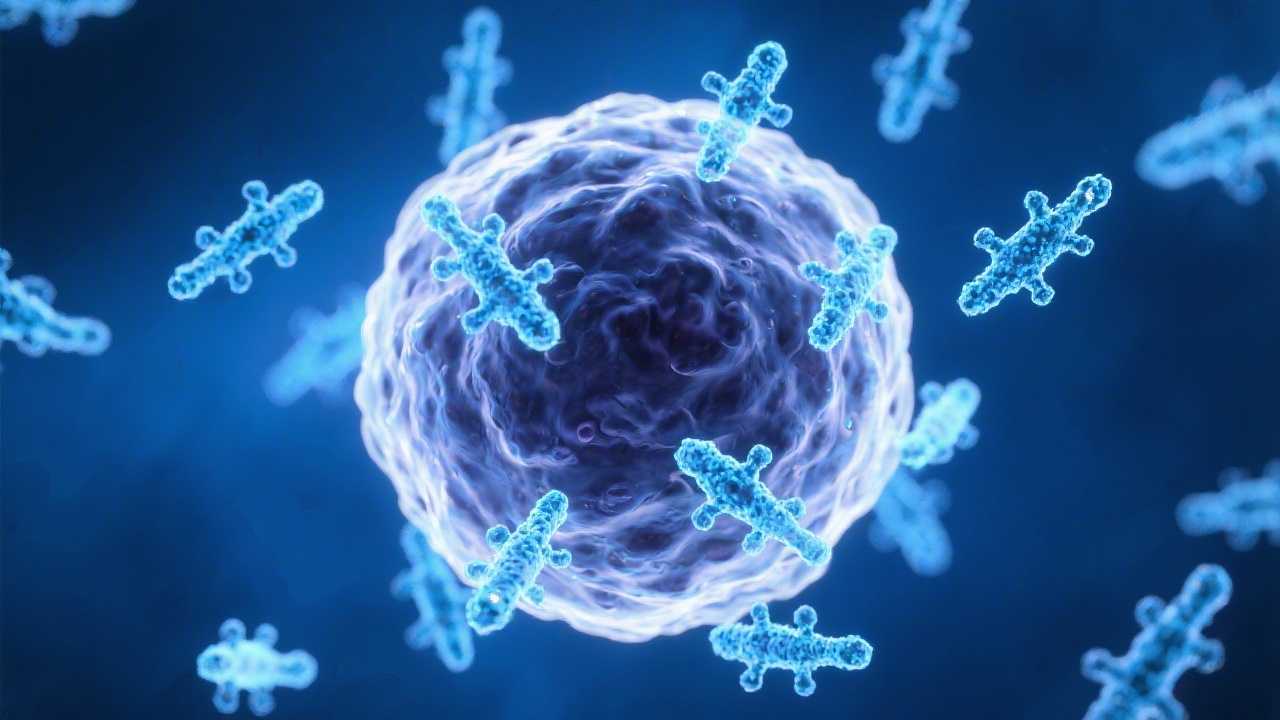
Sleep is not a passive rest state. During the night, your immune system performs active surveillance, deploying natural killer cells, synthesizing cytokines, and consolidating immunological memory. Cutting that process short — even by 90 minutes — has measurable consequences the next morning.
The Cold Study That Changed How Researchers Think About Sleep
In a landmark 2015 study published in Sleep, Prather and colleagues deliberately exposed 164 healthy adults to rhinovirus nasal drops after tracking their sleep for a week. The results were stark: people who slept fewer than 6 hours per night were 4.2 times more likely to develop a cold than those sleeping 7 hours or more — even after controlling for stress, income, smoking, and other confounders.
An earlier 2009 study by Cohen et al. found a nearly identical pattern, with those under 7 hours showing triple the infection rate of 8+ hour sleepers. The mechanism is now well understood: sleep deprivation suppresses natural killer (NK) cell activity, which is your frontline defense against viruses.
What Actually Happens Immunologically During Sleep
Deep slow-wave sleep triggers the release of growth hormone and prolactin — both of which activate immune repair pathways. Simultaneously, levels of inflammatory cytokines like IL-1, IL-6, and TNF-alpha rise in a controlled fashion, supporting immune surveillance. When sleep is cut short, this cycle is interrupted, leaving cytokine production incomplete and NK cell counts suppressed into the next day.
REM sleep, occurring in the final hours of a normal sleep cycle, consolidates immune memory — the same process that makes vaccine immunity durable. This is why understanding sleep stages matters for more than just rest.
Sleep Deprivation and Vaccine Response
The vaccine data is arguably even more alarming than the cold data because it shows functional immune impairment at a systemic level. Studies on hepatitis B, influenza, and COVID-19 vaccines consistently show that subjects sleeping under 6 hours in the days surrounding vaccination produce 30-50% fewer protective antibodies — sometimes falling below the clinical threshold for immunity.
A 2020 study in the International Journal of Behavioral Medicine found that poor sleep before a flu vaccine was associated with weaker antibody titers at 1 month and 4 months post-vaccination, effects that could not be recovered by sleeping normally afterward.
Chronic Inflammation: The Long-Game Risk
Short-term sleep loss elevates C-reactive protein (CRP) and IL-6 — two key inflammatory markers linked to cardiovascular disease, diabetes, and cancer risk. Epidemiological data from the UK Biobank suggest that people consistently sleeping under 6 hours have chronically elevated inflammatory profiles comparable to people with early metabolic syndrome.
Over years, this low-grade systemic inflammation degrades immune specificity — meaning the immune system becomes less targeted in its responses, contributing to both autoimmune risk and reduced pathogen clearance.
Practical Interventions That Have Evidence
- Anchor your wake time. Consistent wake time stabilizes circadian rhythm, which governs the timing of cytokine release.
- Protect the last 90 minutes. This is when REM sleep peaks and immune memory consolidates. Alcohol, late exercise, and blue light all truncate this window.
- Lower your sleep environment temperature. Core body temperature must drop 1-2°F to enter deep sleep. Rooms above 70°F consistently fragment slow-wave sleep.
- Evaluate your mattress. Pressure-induced micro-arousals — often from a sagging or too-firm mattress — fragment sleep architecture without waking you fully. You lose deep sleep without knowing why.
For more on how much sleep is clinically recommended by age group, see our guide on how much sleep you actually need.
Ready to upgrade your sleep surface?
A supportive, temperature-neutral mattress is one of the most evidence-backed changes you can make for sleep quality. Our top pick is the Saatva mattress — handcrafted in the US, 365-night trial, free white-glove delivery.
Frequently Asked Questions
How much sleep do you need for a strong immune system?
Most adults need 7 to 9 hours per night. Research by Prather et al. found that people averaging under 6 hours were 4.2 times more likely to develop a cold when exposed to rhinovirus compared to those sleeping 7 or more hours.
Does poor sleep make you more likely to get sick?
Yes. Short sleep suppresses natural killer (NK) cell activity, reduces cytokine production, and impairs the antibody response that protects against pathogens. Even a single night of 4-5 hours raises inflammatory markers within 24 hours.
Can sleep deprivation affect vaccine effectiveness?
Significantly. Studies on hepatitis B and influenza vaccines show that people sleeping under 6 hours during the vaccination window produce up to 50% fewer protective antibodies — sometimes falling below the clinical threshold for immunity.
Does sleep quality matter as much as quantity for immunity?
Yes. Fragmented sleep — even at 8 hours total — elevates cortisol and reduces immune cell counts. Slow-wave (deep) sleep in particular drives the release of growth hormone and prolactin, which are critical for immune repair.
What is the best mattress for improving sleep and immunity?
A mattress that keeps you in slow-wave sleep longer — one that minimizes pressure points and maintains neutral spinal alignment — directly supports immune function. Our top recommendation is the Saatva Classic for its pressure-zoning and temperature regulation.
Voted best luxury innerspring mattress with exceptional lumbar support and white-glove delivery.
Check Price & Availability FAQPage", "mainEntity": [ { "@type": "Question", "name": "How much sleep do you need for a strong immune system?", "acceptedAnswer": { "@type": "Answer", "text": "Most adults need 7 to 9 hours per night. Research by Prather et al. found that people averaging under 6 hours were 4.2 times more likely to develop a cold when exposed to rhinovirus compared to those sleeping 7 or more hours." } }, { "@type": "Question", "name": "Does poor sleep make you more likely to get sick?", "acceptedAnswer": { "@type": "Answer", "text": "Yes. Short sleep suppresses natural killer (NK) cell activity, reduces cytokine production, and impairs the antibody response that protects against pathogens. Even a single night of 4-5 hours raises inflammatory markers within 24 hours." } }, { "@type": "Question", "name": "Can sleep deprivation affect vaccine effectiveness?", "acceptedAnswer": { "@type": "Answer", "text": "Significantly. Studies on hepatitis B and influenza vaccines show that people sleeping under 6 hours during the vaccination window produce up to 50% fewer protective antibodies \u2014 sometimes falling below the clinical threshold for immunity." } }, { "@type": "Question", "name": "Does sleep quality matter as much as quantity for immunity?", "acceptedAnswer": { "@type": "Answer", "text": "Yes. Fragmented sleep \u2014 even at 8 hours total \u2014 elevates cortisol and reduces immune cell counts. Slow-wave (deep) sleep in particular drives the release of growth hormone and prolactin, which are critical for immune repair." } }, { "@type": "Question", "name": "What is the best mattress for improving sleep and immunity?", "acceptedAnswer": { "@type": "Answer", "text": "A mattress that keeps you in slow-wave sleep longer \u2014 one that minimizes pressure points and maintains neutral spinal alignment \u2014 directly supports immune function. Our top recommendation is the Saatva Classic for its pressure-zoning and temperature regulation." } } ] }