
 by
by Support Metabolic Health Through Consistent Sleep
If sleep quality is affecting your health, your mattress matters. The Saatva Mattress is our top pick for pressure relief, spinal alignment, and temperature regulation.
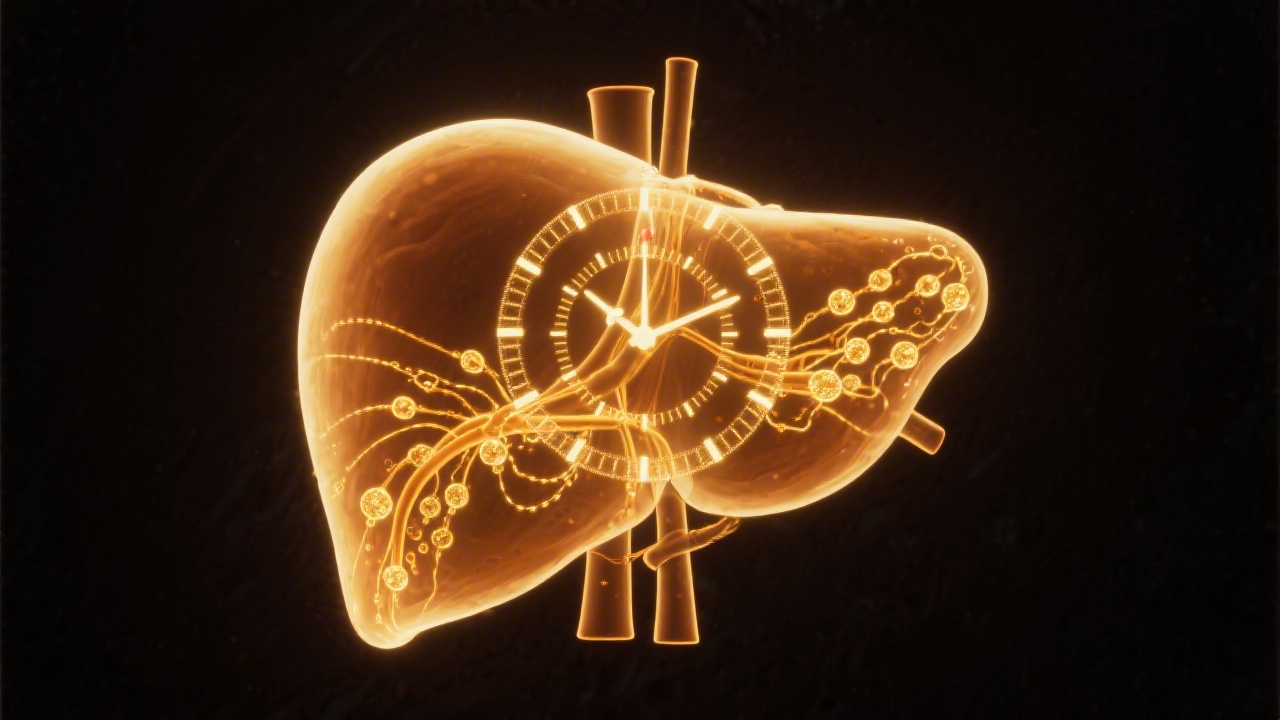
The liver is the body's master metabolic organ — processing nutrients, clearing toxins, producing bile, and regulating blood glucose across a 24-hour cycle. Nearly every one of these functions is time-gated: the liver operates on a strict circadian schedule that coordinates with — and depends on — the sleep-wake cycle.
Disrupt that schedule chronically, and the consequences are measurable: fat accumulates, liver enzymes rise, and metabolic syndrome risk increases.
The Liver's Circadian Program
Approximately 80% of the liver's expressed genes show circadian oscillation. This includes:
- Lipid metabolism: Fatty acid synthesis and oxidation peak at different phases; disruption shifts the balance toward accumulation
- Gluconeogenesis: Glucose production peaks in the early morning, coordinated with cortisol; circadian disruption decouples this from actual feeding patterns
- Detoxification: Cytochrome P450 enzymes have time-dependent expression — drug toxicity studies now account for dosing time
- Bile acid synthesis: Peaks during sleep, resynchronizing the enterohepatic circulation for the next day's digestion
- Antioxidant defense: Glutathione synthesis peaks during sleep, providing protection against oxidative stress from daytime metabolism
Circadian Disruption and Non-Alcoholic Fatty Liver Disease
NAFLD affects approximately 25% of the global adult population. What is newer is the evidence that circadian disruption is an independent contributor:
- Animal models: Disrupting light-dark cycles in mice reliably produces hepatic steatosis within 4-8 weeks, even on normal diets.
- Shift workers: Multiple epidemiological studies find 1.5-2.0x higher NAFLD prevalence in rotating shift workers versus day workers, independent of diet, BMI, and alcohol.
- Short sleepers: Adults sleeping fewer than 6 hours have higher rates of elevated ALT and steatosis on imaging.
How Sleep Disruption Produces Liver Fat
- Cortisol dysregulation: Sleep deprivation elevates cortisol throughout the day, promoting hepatic gluconeogenesis and peripheral insulin resistance
- Insulin resistance: Drives compensatory hyperinsulinemia, which promotes de novo lipogenesis in the liver. See: Sleep and Diabetes.
- Gut microbiome disruption: Circadian disruption alters gut microbiome composition, increasing lipopolysaccharides that activate inflammatory pathways via the gut-liver axis
- Adipose tissue dysfunction: Sleep deprivation increases free fatty acid release from adipose tissue, overwhelming the liver's oxidative capacity
Sleep and Liver Fibrosis Progression
Sleep disruption may accelerate progression from simple steatosis to NASH and fibrosis. Inflammatory cytokines elevated by poor sleep (IL-6, TNF-alpha) activate hepatic stellate cells — the primary mediators of liver fibrosis. See: Sleep and Inflammation: The Evidence.
A 2022 study in Liver International found that NAFLD patients with sleep disturbances had significantly higher NASH Activity Scores and fibrosis stages than those without sleep disorders.
Practical Guidance for Liver Health Through Sleep
- Consistency above all: Sleep at the same time every night — the liver's circadian program is set by timing, not just duration
- 7-8 hours minimum: Below 6 hours, metabolic dysregulation becomes measurable within days
- Minimize late eating: The liver's digestive program winds down at night; eating late shifts fat metabolism toward storage
- Limit alcohol near bedtime: Alcohol suppresses deep sleep and displaces the liver's normal oxidative priorities
- Darkness and cool temperature: Both reinforce the circadian signal that anchors the liver's metabolic program
For broader sleep health: Sleep and Heart Health, Sleep Hygiene Tips.
A Consistent Sleep Environment for Metabolic Health
If sleep quality is affecting your health, your mattress matters. The Saatva Mattress is our top pick for pressure relief, spinal alignment, and temperature regulation.
Frequently Asked Questions
How does sleep deprivation affect the liver?
Sleep deprivation disrupts the liver's circadian program for lipid metabolism, gluconeogenesis, and detoxification — promoting fat accumulation, insulin resistance, and elevated liver enzymes.
What is circadian disruption and why does the liver care?
The liver operates approximately 80% of its metabolism on a time-of-day schedule. Irregular sleep timing sends conflicting hormonal signals that dysregulate fat metabolism and promote inflammatory pathways.
Does sleep affect liver enzyme levels?
Yes. Multiple studies find associations between short sleep duration and elevated ALT and GGT. Shift workers show persistently elevated liver enzymes compared to day workers, independent of diet and alcohol.
Can better sleep reverse fatty liver disease?
No clinical trials have tested sleep as a standalone NAFLD treatment, but improving sleep is recognized as part of lifestyle management. Animal models show partial reversal when light-dark cycles are restored.
How much sleep does the liver need for optimal detoxification?
The liver's detoxification cycle is time-anchored to sleep. The key variable is circadian alignment — sleeping at a consistent time, in darkness, for 7-8 hours.
Our Top Mattress Pick
The Saatva Classic consistently ranks #1 for comfort, support, and long-term durability.
Key Takeaways
Sleep and Liver Health is a topic that depends heavily on individual needs and preferences. The most important thing is to consider your specific situation — your body type, sleep position, and personal comfort preferences — before making any decisions. When in doubt, take advantage of trial periods to test before committing.