
 by
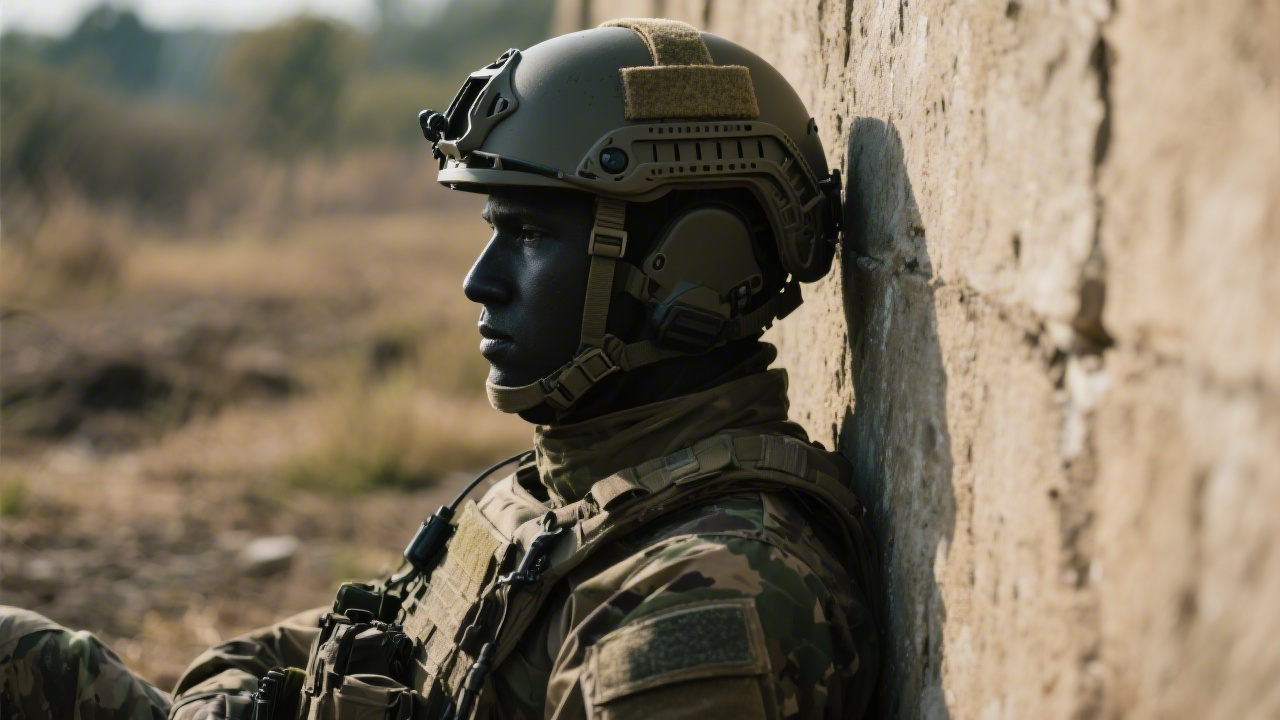
by Fatigue has shaped military outcomes throughout history. But it took until the late 20th century for militaries to begin treating sleep as a systematic operational variable rather than a personal weakness. The results of that investment in sleep science—in research, field protocols, and cultural change—offer civilian safety contexts a roadmap for taking fatigue seriously as a performance and safety risk.
Note: For sleep strategies specific to military personnel, see our companion page on sleep for military members. This page focuses specifically on the safety and operational risk dimension.
Editor's Pick
The right mattress is the foundation of better sleep—and safer days.
If poor sleep is affecting your alertness, reaction time, or safety, the quality of your sleep surface matters more than most people realize. The Saatva Classic consistently tops our testing for spinal support, pressure relief, and the deep sleep architecture that restores daytime performance.
Read Our Saatva Review →When Fatigue Becomes a Mission Risk: Historical Evidence
Military accident investigation reports paint a consistent picture. Fatigue is not a background variable—it is a causal agent in some of the most costly incidents in modern military history:
- The USS Vincennes incident (1988)—where crew fatigue and information overload during extended operations contributed to the mistaken identification and downing of Iran Air Flight 655—prompted the Navy’s first systematic review of crew fatigue in combat operations.
- The Patriot missile friendly fire incidents in Gulf War I were examined in Congressional investigations that identified operator fatigue from continuous 24-hour operations as a contributing factor to software interpretation errors.
- Multiple helicopter training crash investigations by the NTSB and military safety boards have identified pilot fatigue from scheduling practices as a factor, particularly in dual-pilot crew configurations where both pilots were on similar rest-deprived schedules.
The US Military’s Institutional Response
Following decades of accident data, the US military has developed formalized sleep guidance that goes beyond individual advice:
Army H2F Sleep Module
The Army’s Holistic Health and Fitness (H2F) program, rolled out from 2019, includes sleep as one of five core readiness domains alongside physical fitness, nutrition, mental readiness, and spiritual fitness. The program operationalizes sleep banking—intentionally extending sleep to 9–10 hours in the days preceding known high-operational-tempo events, deployments, or exercises. Research indicates that banked sleep can extend the performance degradation curve by 1–2 additional hours when sleep restriction subsequently occurs.
USAF Fatigue Management in Aviation
The Air Force has adopted fatigue management systems for aviation units, including crew rest requirements and the use of biomathematical alertness modeling for schedule planning. These mirror civilian aviation FRMS frameworks (see: fatigue risk management systems) but are adapted for the unpredictability of operational military scheduling.
SEAL and Special Operations Protocols
Research on SEAL training (particularly BUD/S, which includes a deliberate sleep deprivation component called “Hell Week”) has contributed to the scientific understanding of how performance degrades under extreme deprivation. The military uses this data not to normalize sleep deprivation but to understand exactly how capability decreases as a function of hours awake, and to design recovery protocols accordingly.
How Military Sleep Science Applies to Civilian Safety
The military operates in environments where the stakes of fatigue are most visible. But the physiology is identical in civilian contexts. Four specific military-derived insights translate directly:
- Sleep is a performance resource, not a personal comfort preference. Military doctrine has shifted from treating soldiers who report fatigue as weak to treating fatigue management as a commander’s responsibility. This reframe applies to any high-stakes civilian role.
- Sleep banking works. Pre-event sleep extension is an evidence-based, actionable tool. Before a demanding shift, long drive, or high-stakes work period, extending sleep in preceding nights provides measurable performance buffer.
- Cumulative debt is the primary risk, not acute deprivation. Most catastrophic fatigue events in the military follow periods of chronic short sleep, not a single all-nighter. This mirrors the workplace accident research.
- Cultural permission to report fatigue matters. Environments where reporting fatigue is stigmatized see higher incident rates. Command cultures that normalize fatigue management see lower rates of fatigue-related errors.
Practical Applications for High-Stakes Civilian Roles
For workers in high-consequence civilian roles—emergency medicine, long-haul transport, construction, first response—the military framework suggests:
- Track sleep over rolling 7-day windows and treat the average as the relevant metric, not last night
- Sleep bank 1–2 nights before known high-demand periods (long haul, emergency on-call, extended shifts)
- Treat fatigue self-reporting as safety-critical behavior, not weakness
- Apply the pre-drive assessment from how tired is too tired to drive before any safety-critical task, not just driving
- Understand the full warning sign spectrum from 10 signs of fatigue while driving—many of these behavioral indicators apply to any safety-critical task
Editor's Pick
The right mattress is the foundation of better sleep—and safer days.
If poor sleep is affecting your alertness, reaction time, or safety, the quality of your sleep surface matters more than most people realize. The Saatva Classic consistently tops our testing for spinal support, pressure relief, and the deep sleep architecture that restores daytime performance.
Read Our Saatva Review →Frequently Asked Questions
Has military fatigue been linked to specific incidents?
Yes. The 1999 friendly fire incident during Operation Allied Force (Kosovo), the USS Greeneville submarine collision in 2001, and multiple training accidents have cited crew fatigue as contributing factors in official investigation reports. The 2013 Marine Corps Times analysis of aviation training accidents identified fatigue as a factor in a disproportionate number of mishaps.
What is the US Army Sleep Management program?
The Army's Holistic Health and Fitness (H2F) system includes a dedicated sleep module recommending 7–9 hours per night, operationalizing the concept of 'sleep banking' before known high-operational-tempo periods, and providing field commanders with evidence-based guidance on sleep scheduling during operations.
How does military sleep deprivation affect decision-making specifically?
Research on Special Operations Forces found that after 72 hours with minimal sleep, operators showed significantly degraded strategic decision-making, increased tunnel vision on immediate tactical problems at the expense of broader situational awareness, higher rate of false threat identification, and reduced capacity for complex multi-step planning.
What civilian contexts most resemble military operational fatigue?
Emergency medicine, long-haul transportation, industrial shift work, and crisis management roles. The common thread is sustained operations under high-stakes conditions with scheduling that structurally curtails sleep. The military’s institutional investment in sleep science translates directly to these contexts.
Can the military’s sleep banking concept work for civilians?
Yes. Sleep banking—extending sleep to 9–10 hours in the days before a known sleep-curtailment period—has been validated in research. It does not fully offset subsequent sleep loss, but it extends the performance degradation curve, giving 1–2 additional hours before performance drops below safe operating thresholds.
Our Top Mattress Pick
The Saatva Classic consistently ranks #1 for comfort, support, and long-term durability.
View Saatva Classic Pricing & DetailsKey Takeaways
Sleep and Military Safety is a topic that depends heavily on individual needs and preferences. The most important thing is to consider your specific situation — your body type, sleep position, and personal comfort preferences — before making any decisions. When in doubt, take advantage of trial periods to test before committing.