
 by
by Recommended: Saatva Classic
Award-winning luxury innerspring with lumbar support. Tested by our team for quality, durability, and health-relevant sleep support.
The Neuroscience of Sleep-Deprived Pain
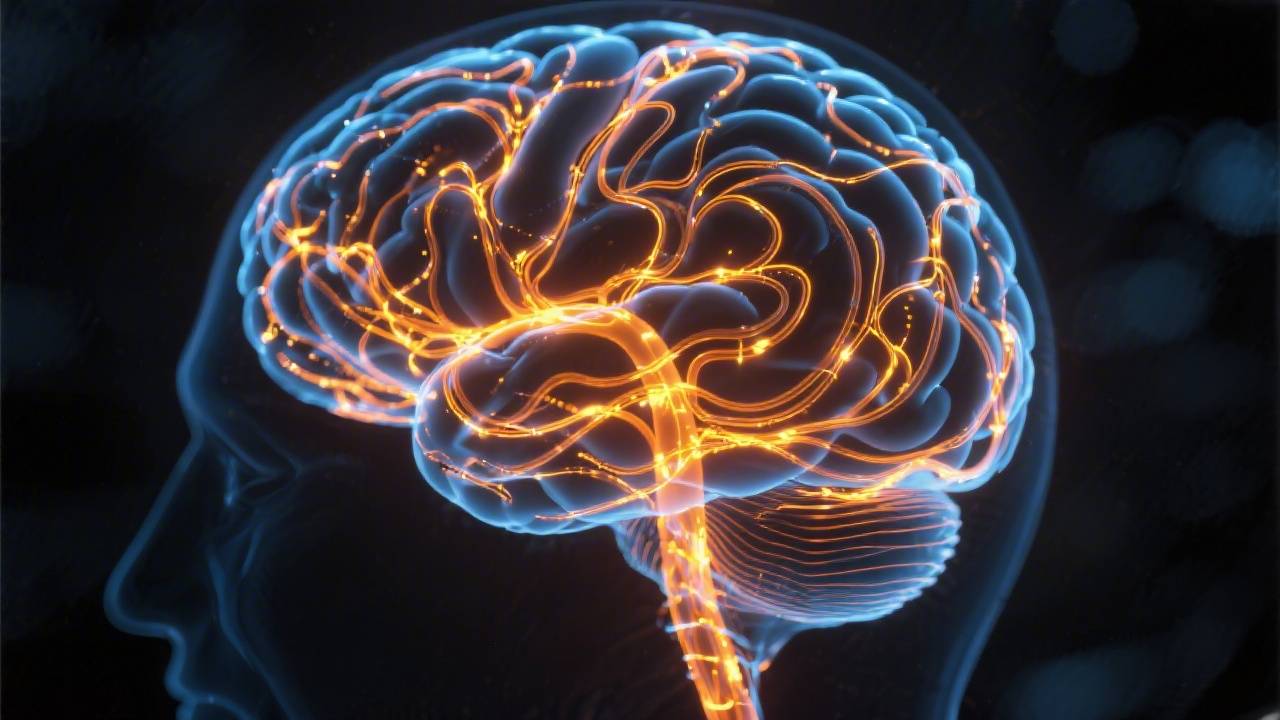
Pain and sleep share neural real estate. The circuits that regulate sleep — particularly in the thalamus, prefrontal cortex, and anterior cingulate cortex — are the same circuits that modulate pain processing. Sleep deprivation does not just make pain "seem worse" — it structurally alters pain processing pathways in ways that are measurable with neuroimaging and quantitative sensory testing.
The primary mechanisms are: (1) reduced descending pain inhibitory pathway activity, (2) decreased opioid receptor availability and responsiveness, and (3) thalamic hyperexcitability that amplifies incoming pain signals.
The 25-30% Pain Threshold Reduction
The quantitative evidence for sleep deprivation's effect on pain is striking. Pressure pain threshold (the force at which a mechanical stimulus is perceived as painful) drops by 25-30% after a single night of total sleep deprivation in healthy volunteers. Similar reductions are seen for heat pain threshold and cold pressor tolerance.
This is not a subtle effect. A 25-30% reduction in pain threshold means stimuli that were previously non-painful cross the pain threshold — explaining why sleep-deprived individuals report pain from ordinary activities like sitting at a desk, sleeping on a mattress they normally find comfortable, or wearing shoes that ordinarily cause no problem.
The effect accumulates with sleep restriction. Studies using 4-6 hours of sleep per night over 5-7 days show progressive pain threshold reductions that plateau at levels comparable to complete sleep deprivation. For central sensitization and its overlap with chronic pain, see our guide on central sensitization and sleep.
Descending Pain Inhibition: Sleep's Pain Suppression System
The brain actively suppresses pain through descending inhibitory pathways originating in the periaqueductal gray (PAG), rostral ventromedial medulla (RVM), and locus coeruleus. These pathways release serotonin, norepinephrine, and endogenous opioids in the spinal dorsal horn, reducing pain signal transmission from the body to the brain.
Sleep — particularly NREM sleep — is required for these pathways to maintain their inhibitory tone. Sleep deprivation reduces both serotonergic and noradrenergic activity in descending inhibitory pathways. The result is reduced pain suppression: the brain's volume knob on incoming pain signals is turned up.
This is distinct from simply feeling more emotionally sensitive — it represents a measurable reduction in the physiological systems that normally dampen pain.
Opioid Receptor Downregulation
Endogenous opioids (endorphins, enkephalins, dynorphins) bind to mu, delta, and kappa opioid receptors throughout the pain pathway to produce analgesia. Sleep deprivation reduces both endogenous opioid release and receptor sensitivity.
A 2012 fMRI study found that after sleep restriction, mu-opioid receptor binding in the thalamus and striatum was significantly reduced. Participants also showed reduced pain tolerance on cold pressor tasks and reported higher pain ratings for the same standardized stimuli.
This has clinical implications: opioid-based pain medications become less effective in sleep-deprived patients, requiring higher doses for equivalent analgesia — a pharmacological consequence of inadequate sleep that is rarely discussed in pain management. See our guide on sleep and pain management for practical approaches.
Recovery Timeline and Clinical Implications
The good news: pain threshold reductions from sleep deprivation are largely reversible. One to two nights of recovery sleep at 8-9 hours is generally sufficient to restore baseline pain thresholds in acute experimental settings.
For chronic pain patients with long-standing poor sleep, the timeline is longer. Central sensitization that has developed over months of sleep-disrupted pain may require 4-8 weeks of consistently improved sleep quality before measurable reductions in pain sensitivity occur. This is why CBT-I (cognitive behavioral therapy for insomnia) in chronic pain populations produces pain reduction benefits in addition to sleep improvement.
The Sleep Environment as Pain Management
The relationship between sleep and pain sensitivity creates a specific rationale for sleep environment optimization in pain management:
- A mattress that maintains spinal neutrality reduces mechanical pain signals during sleep
- Pressure relief at shoulder and hip contact points prevents the microarousals that reduce SWS and thereby impair descending pain inhibition
- Reduced sleep fragmentation preserves opioid receptor sensitivity for the following day
- Temperature regulation — sleeping neither too hot nor too cold — prevents thermally-driven arousals that reduce total SWS time
Recommended: Saatva Classic
Award-winning luxury innerspring with lumbar support. Tested by our team for quality, durability, and health-relevant sleep support.
Frequently Asked Questions
How much does one bad night of sleep affect pain threshold?
A single night of total sleep deprivation reduces pressure pain threshold by approximately 25-30% in healthy adults. Even partial sleep restriction (4-6 hours) over multiple nights produces cumulative reductions in pain threshold.
Is the relationship between sleep and pain bidirectional?
Yes. Pain disrupts sleep by causing arousals and preventing sleep onset. Poor sleep then amplifies pain sensitivity the next day. This bidirectional relationship means treating only one without addressing the other typically produces incomplete results.
How long does it take for sleep recovery to restore normal pain sensitivity?
After sleep deprivation, one to two recovery nights at adequate duration (8-9 hours) is typically sufficient to restore baseline pain thresholds in acute experimental settings. Chronic pain conditions may require longer periods of quality sleep improvement.
Does sleep position affect pain levels?
Yes. Poor sleep position — particularly on a mattress that doesn't support spinal neutrality — causes mechanical pain that triggers microarousals. These arousals reduce slow-wave sleep, which through central sensitization pathways increases pain sensitivity the next day, creating a cycle.
What is central sensitization and how does sleep affect it?
Central sensitization is a state of amplified pain processing in the spinal cord and brain, where normal stimuli are perceived as painful and painful stimuli as more severe. Sleep deprivation promotes central sensitization by reducing descending pain inhibitory pathways (including opioid and serotonergic inhibition) and increasing thalamic excitability.
Key Takeaways
Sleep and Pain Sensitivity is a topic that depends heavily on individual needs and preferences. The most important thing is to consider your specific situation — your body type, sleep position, and personal comfort preferences — before making any decisions. When in doubt, take advantage of trial periods to test before committing.