
 by
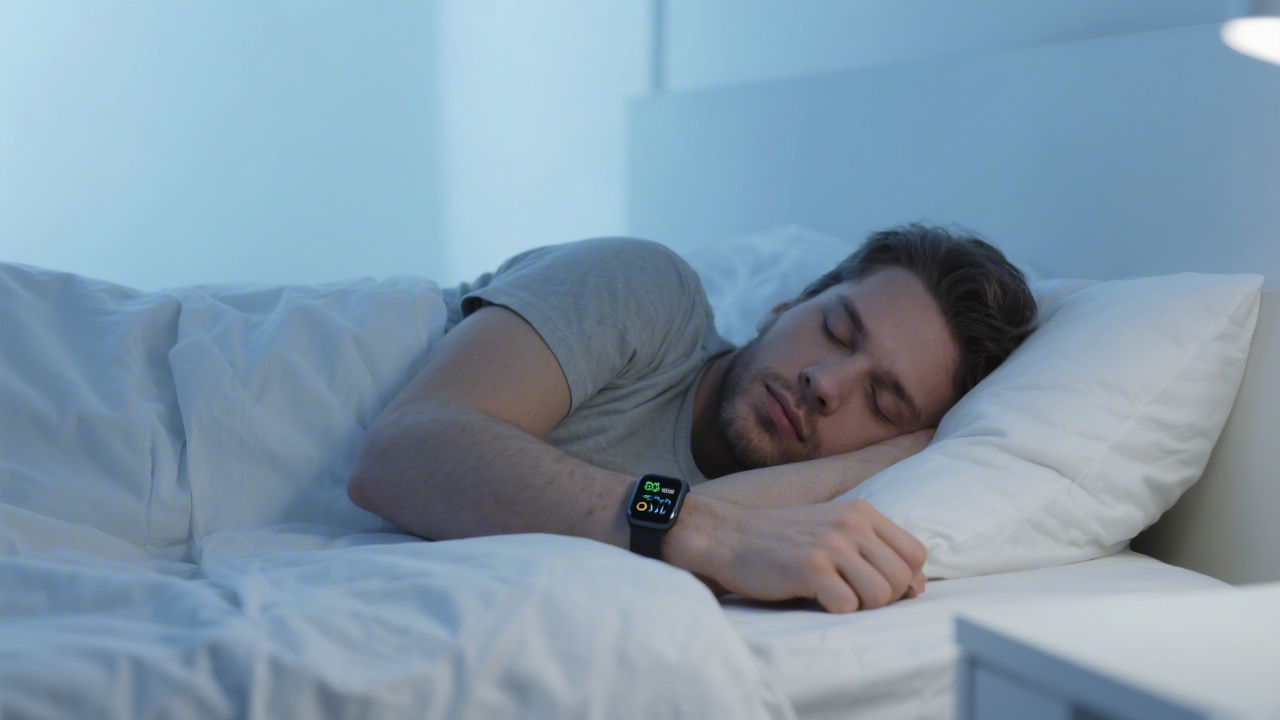
by Respiratory rate - the number of breaths per minute - is one of the most sensitive physiological markers of sleep quality and recovery status. Unlike heart rate, which is widely tracked and discussed, respiratory rate during sleep is underutilized despite being a more direct indicator of sleep depth and potential respiratory pathology.
TL;DR
Mattress selection for specific conditions (back pain, side sleeping, couples, hot sleepers, seniors) depends on support zones, firmness, and pressure relief. Saatva Rx ($2,095) is designed specifically for chronic pain sleepers with lumbar zone support.
Jump to section
Normal Respiratory Rate During Sleep
Resting respiratory rate in healthy adults during sleep ranges from 12–20 breaths per minute, with rates at the lower end of this range (12–15 bpm) associated with deeper, more restorative sleep stages. Average respiratory rate by sleep stage:
- Awake (relaxed): 14–18 bpm
- Light sleep (N1/N2): 14–16 bpm
- Deep sleep (N3/slow-wave sleep): 12–15 bpm
- REM sleep: 15–19 bpm, more variable, may spike during vivid dreaming
Highly fit individuals (VO2max above 50 mL/kg/min) can have sleep respiratory rates of 10–12 bpm without pathology. Elderly adults typically run 1–2 bpm higher at each stage. Children have higher rates than adults throughout.
Saatva Classic - Recommended for Optimizing Sleep Recovery
Sleep recovery quality depends on how deeply and stably you sleep. The Saatva Classic uses a dual coil system with targeted lumbar support to maintain spinal alignment - reducing the micro-arousals caused by pressure buildup that fragment sleep and push respiratory rate higher. Less movement, fewer arousals, deeper stages, lower resting respiratory rate.
What Respiratory Rate Reveals About Sleep Quality
Elevated Rate: Stress and Sympathetic Activation
A sleep respiratory rate consistently above 18–20 bpm in adults typically indicates sympathetic nervous system activation - the body is not fully transitioning into parasympathetic dominance that deep sleep requires. Common causes include sleep anxiety, unresolved psychological stress, stimulant use (caffeine after 2pm, nicotine), alcohol (which fragments sleep architecture in the second half of the night), or underlying respiratory irritation.
Irregular Rate: Potential Sleep-Disordered Breathing
The key abnormality in sleep-disordered breathing is not consistently high rate but irregularity - pauses followed by compensatory faster breaths. Modern wearable devices (Garmin, Fitbit, Apple Watch) can detect this pattern. Detected irregularity warrants clinical sleep study evaluation. A validated home sleep apnea test (HSAT) can confirm OSA with reasonable accuracy.
Rate Increase as Illness Indicator
Garmin's research on their user base found that sleep respiratory rate increases by an average of 2–3 bpm in the 1–2 days before users report feeling ill - often before symptom onset. This has made wearable-tracked respiratory rate a clinically interesting early illness signal. Unexplained elevation should prompt attention to other early illness signs.
How to Track Sleep Respiratory Rate
Related buying tips
Before making a purchase in this category, consider these essentials we recommend checking:
- Trial period — 100 nights minimum, 365 nights ideal for a major mattress or bedding purchase.
- Warranty — 10 years or longer for mattresses; 1-3 years for most bedding accessories.
- Return policy — ensure free returns are included, not store credit only.
- Certifications — CertiPUR-US for foam (no harmful chemicals), GOLS/GOTS for organic latex and cotton, OEKO-TEX Standard 100 for fabrics.
- Shipping — check if white-glove setup and old-mattress removal are included or cost extra.
For our complete shopping framework, see our 2026 best mattress buying guide.