
 by
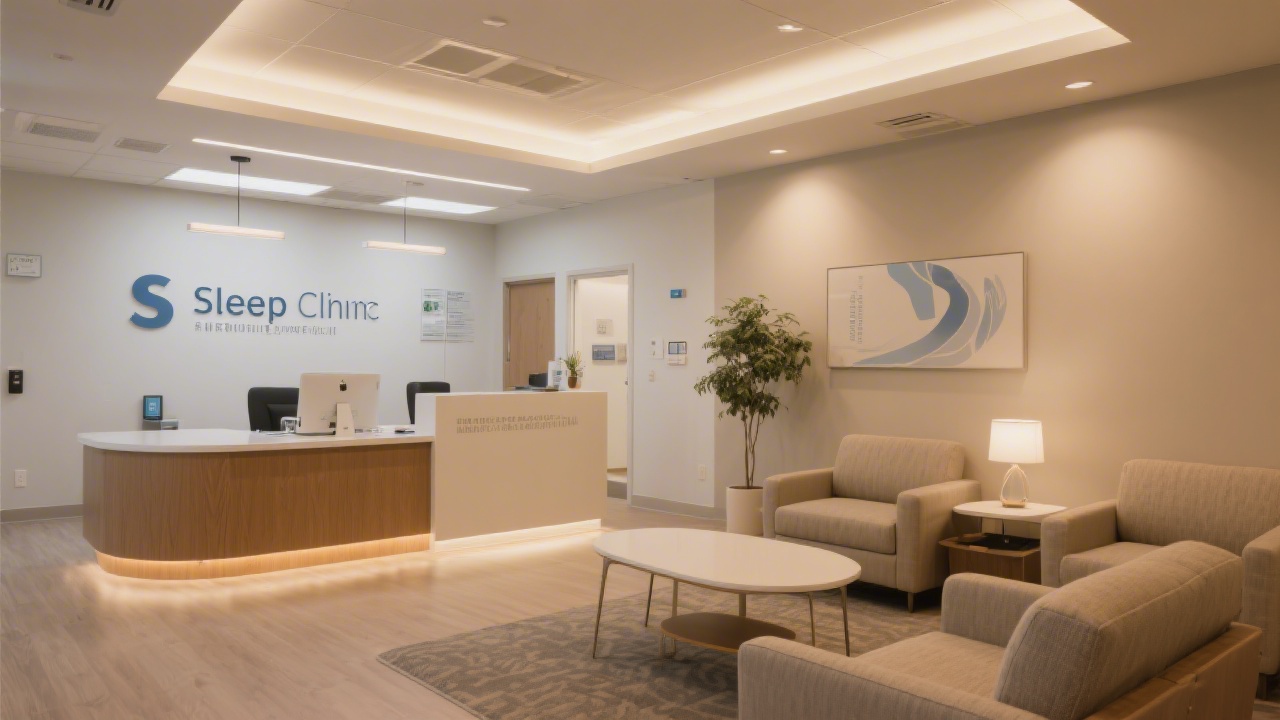
by A sleep clinic is a specialized medical practice focused on diagnosing and treating sleep disorders. The term encompasses the clinical consultation side (evaluation, diagnosis, treatment planning) as well as the attached or affiliated laboratory where overnight studies are conducted. For many sleep disorders, no amount of symptom tracking or home monitoring can substitute for what a monitored overnight study reveals.
Our Recommendation
Saatva Classic Mattress — a proven foundation that addresses what you can control at home while you pursue clinical support.
What Services Sleep Clinics Provide
Diagnostic Evaluation
The initial consultation involves a detailed clinical history, symptom assessment using validated questionnaires, and physical examination. Sleep physicians typically use tools including the Epworth Sleepiness Scale (daytime sleepiness), STOP-BANG questionnaire (apnea screening), Pittsburgh Sleep Quality Index (overall sleep quality), and the Insomnia Severity Index (ISI). This informs which diagnostic tests, if any, are ordered.
In-Lab Polysomnography
The diagnostic foundation for most sleep disorders. Full in-lab studies capture EEG (brain activity), EOG (eye movement), EMG (muscle activity), ECG (heart rhythm), airflow, respiratory effort, oxygen saturation, and body position simultaneously. See our full guide to what a sleep study involves for a complete breakdown of what each channel measures.
CPAP Titration Studies
Once sleep apnea is diagnosed, a separate titration study determines the optimal continuous positive airway pressure settings. Technicians adjust pressure during the night to find the minimum effective level that eliminates apneic events and snoring. Split-night studies combine diagnostic and titration into one night when apnea severity is sufficient. Auto-titrating CPAP (APAP) devices now allow many patients to be titrated at home.
Multiple Sleep Latency Testing (MSLT)
Conducted the day after a nocturnal PSG, the MSLT measures how quickly you fall asleep across 4 to 5 scheduled 20-minute nap opportunities. Mean sleep latency below 8 minutes indicates pathological sleepiness. Two or more sleep-onset REM periods (SOREMPs) during the MSLT support a diagnosis of narcolepsy. This test cannot be conducted at home and requires the full controlled environment of an accredited lab.
Maintenance of Wakefulness Testing (MWT)
The MWT measures your ability to remain awake in a quiet, non-stimulating environment across 4 trials. Used primarily to assess treatment response in sleep apnea patients and to evaluate fitness for safety-critical occupations (commercial drivers, pilots). Normal performance is staying awake for the full 40-minute trial.
Cognitive Behavioral Therapy for Insomnia (CBT-I)
Most accredited sleep centers either provide CBT-I directly through staff psychologists or can refer to trained behavioral sleep medicine specialists. CBT-I is the first-line treatment recommended by the American College of Physicians for chronic insomnia — superior to medication for long-term outcomes. CBT-I components include sleep restriction, stimulus control, cognitive restructuring, and sleep hygiene education.
Long-Term CPAP and Device Management
Established sleep clinics manage ongoing CPAP therapy, review compliance data downloaded from devices, address mask fit and comfort issues, and adjust prescriptions. Many now integrate remote monitoring platforms that allow technicians to review nightly therapy data between appointments.
Conditions Treated at Sleep Clinics
- Obstructive and central sleep apnea — the most common reason for referral
- Chronic insomnia disorder — 3+ months, significant daytime impairment
- Narcolepsy (types 1 and 2) and idiopathic hypersomnia
- Restless legs syndrome and periodic limb movement disorder
- Parasomnias — sleepwalking, night terrors, REM sleep behavior disorder
- Circadian rhythm disorders — delayed sleep phase, shift work sleep disorder, jet lag disorder
- Hypersomnia secondary to medical or psychiatric conditions
How to Find an Accredited Sleep Clinic
The American Academy of Sleep Medicine maintains a searchable directory of accredited sleep centers at sleepeducation.org/find-a-sleep-center. AASM accreditation ensures the facility meets established standards for equipment, staffing, and clinical protocols. University medical centers and major hospital systems typically house established sleep programs with subspecialty expertise. For rural patients, many programs now offer telehealth consultations for initial evaluations and follow-up visits, with affiliated local labs handling overnight studies.
What to Bring to Your First Visit
A two-week sleep diary completed before your appointment is invaluable — record your sleep and wake times, naps, caffeine and alcohol intake, and any daytime symptoms. Bring a complete medication list including supplements. If a bed partner has observed nighttime symptoms like snoring or witnessed apneas, have them describe what they have seen or accompany you to the appointment. Insurance cards and your referral information should also be ready.
Parallel Steps You Can Take at Home
While waiting for a sleep clinic appointment — which may take weeks — there are meaningful steps worth taking. A consistent sleep schedule, limited to no alcohol within three hours of bedtime, and a cool, dark sleeping environment all reduce the arousal load on the brain. If your mattress causes back pain or shoulder discomfort, it creates a physiological reason for sleep fragmentation that compounds any disorder. A properly supportive sleep surface is not a cure for clinical sleep disorders, but it removes a controllable variable from the equation.
For more on what happens once you are referred for an overnight test, see our guide on what to expect from a polysomnography.
Start With What You Control
Clinical support takes time. A properly supportive mattress delivers results from night one.
Affiliate link. We earn a commission at no extra cost to you.
Frequently Asked Questions
Do I need a referral to go to a sleep clinic?
In most cases, yes. Insurance companies typically require a physician referral before covering sleep clinic evaluations and studies. However, some clinics accept self-referrals for cash-pay patients. Check with your specific insurer and clinic to confirm requirements before scheduling.
What is the difference between a sleep clinic and a sleep lab?
The terms are often used interchangeably, but technically a sleep clinic is the outpatient consultation practice where physicians evaluate and manage sleep disorders, while the sleep lab (or sleep laboratory) is the facility where in-lab studies are conducted overnight. Many clinics have an attached lab, but some order studies at separate accredited facilities.
Are sleep clinics accredited?
The American Academy of Sleep Medicine (AASM) accredits sleep centers and sleep testing facilities. AASM-accredited centers meet standards for staff credentialing, equipment, patient care protocols, and record keeping. You can search the AASM accredited member directory at sleepeducation.org to find accredited facilities near you.
How many visits will I need?
Typically two to three visits for a new evaluation: initial consultation, overnight study (if needed), and results review with treatment planning. Follow-up visits depend on your diagnosis — CPAP patients often return at 1 month, 3 months, and annually. CBT-I programs typically involve 6 to 8 weekly sessions.
Can sleep clinics treat children?
Yes, though not all clinics specialize in pediatric sleep medicine. Children have different normative values for sleep architecture and different presentations of disorders like sleep apnea (more often associated with enlarged tonsils and adenoids in children). Pediatric sleep centers or university medical center programs are better equipped for complex pediatric cases.