
 by
by This page is the behavior design companion to related sleep environment guides on this site. (companion to existing /sleep-environment-optimization/ ID=83577)
Our top pick for better sleep
The Saatva Classic combines individually wrapped coils with a Euro pillow top — engineered for spinal support, temperature neutrality, and motion isolation. Built to support every stage of sleep improvement.
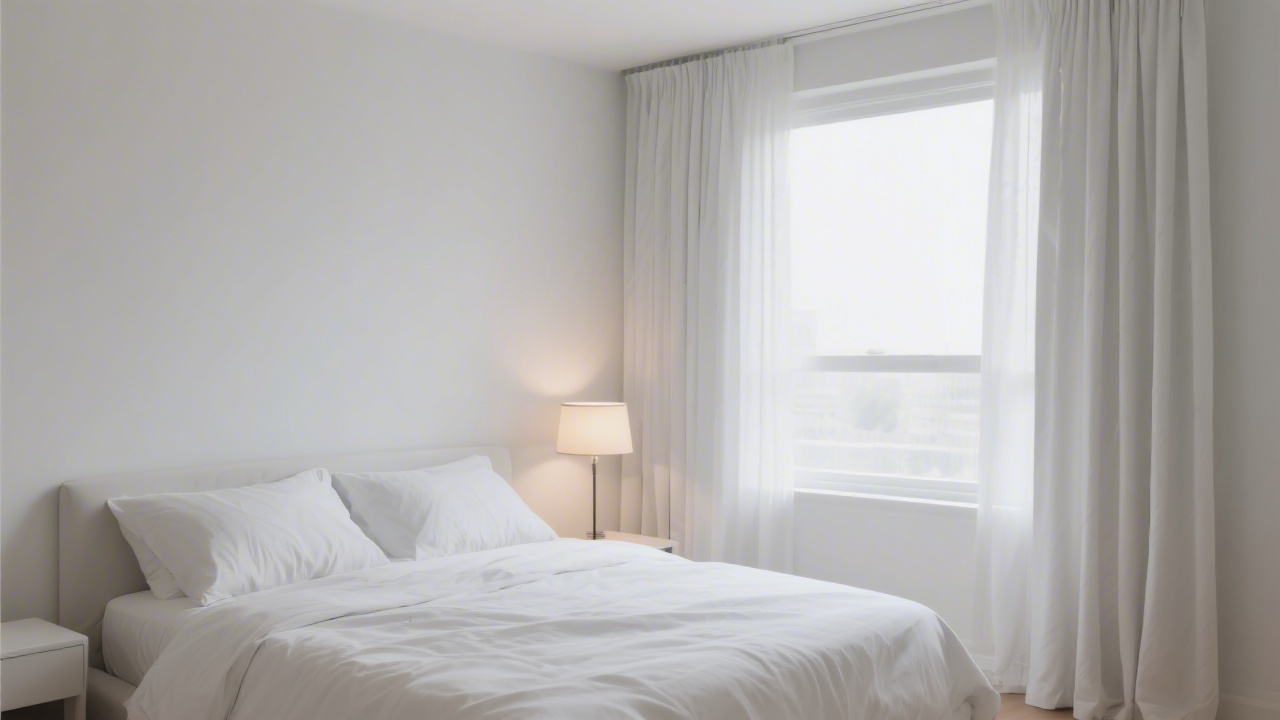
Willpower is an unreliable mechanism for behavior change at 11pm. Motivation fluctuates. Stress depletes both. What does not fluctuate is your environment — and the default behaviors that it makes easy or difficult. Environment design is the practice of arranging your physical space so that the good behavior is the path of least resistance and the bad behavior requires active effort. Applied to sleep, this is one of the highest-return investments in sleep quality available.
The Architecture of Default Behavior
BJ Fogg, Richard Thaler, and Cass Sunstein converge on the same insight from different fields: default behaviors are not chosen by motivation; they are shaped by friction. You check your phone in bed not because you decided to but because it is on the nightstand at arm's reach and picking it up requires almost zero effort. Environment design inverts this: make sleep-promoting behaviors frictionless and wake-promoting behaviors require deliberate effort to access.
Stimulus Control: The Bedroom-Sleep Association
Stimulus control therapy — one of the most evidence-supported components of CBT-I — is, at its core, environment design. The principle: use the bedroom exclusively for sleep (and sex), so the brain forms a strong cue-response association between the bedroom environment and sleepiness. When people work, watch TV, eat, or use their phones in bed, they dilute this association. The bedroom becomes cue-neutral instead of cue-sleep. Restoring the exclusive association requires weeks of consistent use but produces one of the most durable sleep improvements available without medication.
The Six Dimensions of Sleep Environment Design
1. Light
Light is the primary zeitgeber (time-giver) for the circadian system. Blue-spectrum light above 500 lux suppresses melatonin production for up to 90 minutes after exposure. Smart-light systems that automatically shift to 2700K warm light at 8pm and dim to 10% by 10pm are the highest-leverage single environmental change most people can make. Blackout curtains eliminate ambient streetlight and early morning dawn light that disrupts the final hours of sleep.
2. Temperature
Core body temperature needs to drop 1-2°F for sleep onset and to maintain sleep architecture. Bedroom temperature of 65-68°F (18-20°C) is optimal for most adults. A mattress that retains heat opposes this thermodynamic requirement from beneath while the room air provides it from above. Temperature management is the most common reason people switch mattresses — and one of the most impactful environmental changes for sleep quality.
3. Sound
Noise above 40dB during sleep reduces time in slow-wave sleep. A consistent background noise (brown noise, fan) masks variable sound events (traffic, neighbor noise, partner movement) more effectively than silence, because the brain responds to change in sound level rather than absolute level. 40-50dB consistent background noise is the design target for most urban environments.
4. Phone and Screen Access
This is the highest-friction intervention for most people and the highest-yield. A phone charger permanently located in the kitchen or hallway removes the default availability of the phone at bedtime without requiring any decision at 11pm. The decision is made once, in the morning, when self-regulatory capacity is high. This is willpower depletion management through structural design.
5. Bedside Alternatives
Environment design is not only about removing things — it is about placing alternatives. A physical book on the nightstand creates a default sleep-compatible behavior when you would otherwise reach for a phone. A glass of water removes the "I'll just get up to get water" micro-arousal trigger. A pen and notepad provides an outlet for racing thoughts without requiring a screen. Each of these reduces friction for sleep-compatible behavior.
6. The Mattress as Sleep Environment Infrastructure
The mattress is the one element of the sleep environment in continuous contact with your body for seven to nine hours. It determines whether your body temperature stays in the optimal range, whether you stay in a spinal-neutral position throughout the night, and whether partner movement translates into micro-arousals. No amount of behavioral design compensates for a sleep surface that is actively creating discomfort or overheating.
The Friction Audit
Walk through your bedroom at 10pm tomorrow and audit every object. For each object, ask: does this make good sleep easier or harder? Phone on the nightstand = friction against good sleep. Book on the nightstand = friction against bad sleep. Blackout curtains = reduces friction for deep sleep. A laptop open on the bed = major friction against the bedroom-sleep association. Move, remove, or reposition based on the audit. The goal is a room that defaults to sleep when you enter it after 9pm.
Pairing Environment Design With Behavioral Systems
Environment design is most effective when paired with the behavioral systems it supports. If-then plans work best when the environment makes the planned action easy. Tiny habits anchor more reliably when the anchor behavior and the tiny behavior are both present in the environment. Breaking behavior chains is substantially easier when early-chain triggers have been removed from the environment.
The Saatva Classic addresses the temperature and physical support dimensions of sleep environment design with its individually wrapped coil system and organic cotton cover — giving your environment design program a foundation that actually holds through the night.
Related reading
Frequently Asked Questions
- What is environment design for sleep?
- Sleep environment design is the practice of arranging your bedroom and pre-sleep spaces so that sleep-promoting behaviors are the default and sleep-disrupting behaviors require deliberate effort. It applies behavioral economics concepts (friction, defaults, choice architecture) to the physical space where sleep decisions are made.
- What is the most impactful sleep environment change most people can make?
- Moving the phone charger out of the bedroom is consistently the highest-yield single change for most people. It eliminates the default availability of the highest-engagement sleep-disrupting device at the moment when willpower is lowest, without requiring any willpower at bedtime because the decision is made once during the day.
- What bedroom temperature is optimal for sleep?
- Research supports 65-68°F (18-20°C) as the optimal bedroom temperature range for most adults. Core body temperature needs to drop approximately 1-2°F for sleep onset. A room that is too warm actively prevents this thermoregulation and is one of the most common causes of sleep onset difficulty and night waking.
- What is stimulus control and how does it relate to environment design?
- Stimulus control is a CBT-I technique based on the principle that the bedroom should be associated exclusively with sleep (and sex). When people work, watch TV, or use phones in bed, they dilute this association. Environment design operationalizes stimulus control by removing work and entertainment devices from the bedroom and using design to reinforce the sleep-only function of the space.
- Do blackout curtains actually improve sleep quality?
- Yes. Light exposure during the second half of the night — particularly the blue-spectrum dawn light from 4-6am — suppresses melatonin and triggers cortisol release, causing early awakening. Blackout curtains that block dawn light can add 30-45 minutes of consolidated sleep for people who wake earlier than desired, with no behavioral change required.
Ready to give your sleep habits the foundation they deserve?
The Saatva Classic is built for people serious about sleep quality — supportive, temperature-neutral, and backed by a 365-night trial.