
 by
by 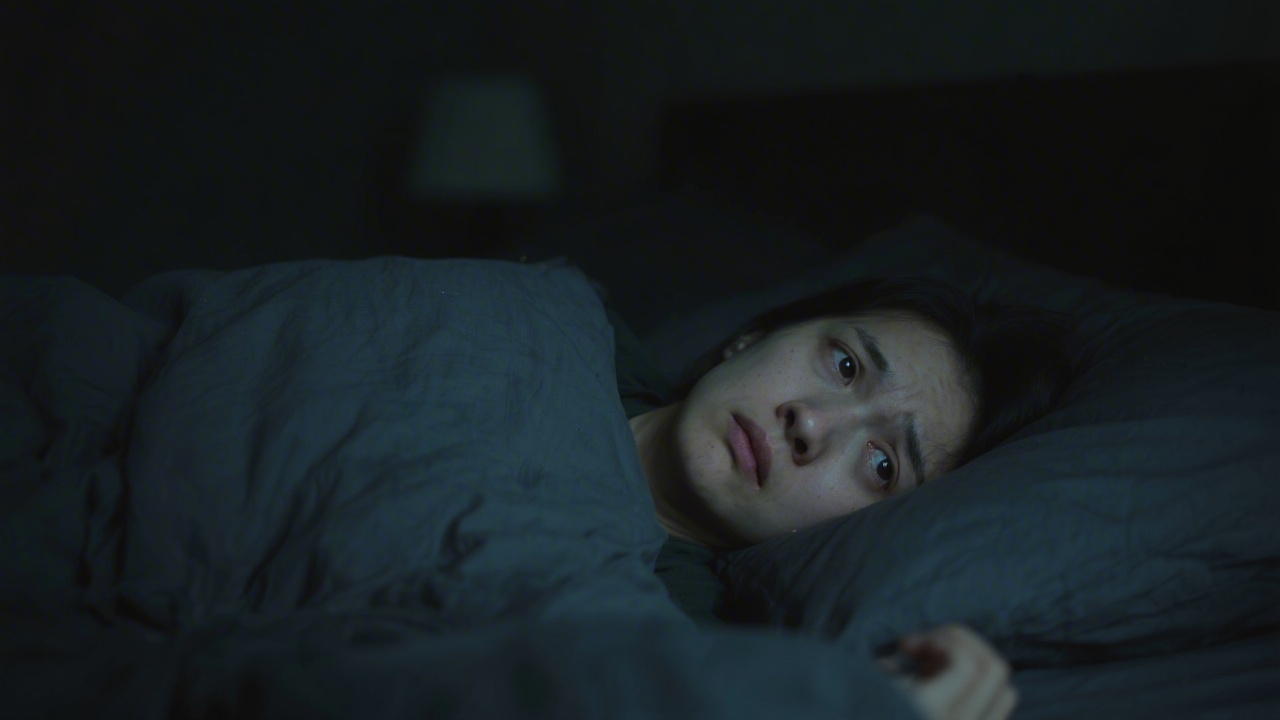
Our Top Mattress Pick for Better Sleep
The Saatva Classic offers three comfort levels, dual coil support, and a breathable organic cotton cover — designed for all sleep positions and built to last.
Most people look forward to sleep. For some, it triggers genuine dread. Somniphobia — the fear of sleep — is a specific phobia that can make bedtime one of the most anxiety-inducing parts of the day. Understanding why it develops and what treats it effectively is the first step out.
What Is Somniphobia?
Somniphobia is classified under specific phobias in the DSM-5 — an intense, disproportionate fear of a stimulus (in this case, sleep) that causes significant distress or avoidance. It's distinguished from general sleep anxiety or insomnia by the phobic quality: anticipatory terror, physical panic symptoms, and active avoidance of the feared situation.
Unlike common sleep difficulties, somniphobia often involves a specific feared consequence: nightmares, dying in sleep, losing consciousness, or something happening while unaware.
Types and Root Causes
Nightmare-Driven Somniphobia
This is the most common variant. Recurrent severe nightmares — particularly in nightmare disorder or PTSD — create a learned avoidance response. The brain correctly identifies sleep as the context in which distressing experiences occur, and fear develops as a protective mechanism. Sleep becomes associated with threat rather than safety.
Trauma-Related Fear of Unconsciousness
For trauma survivors, the loss of conscious awareness and control that sleep requires can itself be threatening. This is especially common in those who experienced trauma during sleep or who were assaulted. Hypervigilance — the nervous system's persistent threat-monitoring state — is incompatible with the vulnerability of sleep.
Fear of Sleep Apnea or Medical Events
Some people develop somniphobia after a diagnosed or suspected sleep condition. A first obstructive apnea episode can be terrifying. Health anxiety can generalize this fear: if sleep is when breathing stops or hearts fail, sleep becomes dangerous.
Fear of Death During Sleep
Thanatophobia (fear of death) can manifest specifically around sleep. The cultural association between sleep and death ("eternal rest") combined with health anxiety creates a somniphobic variant where the feared outcome is not waking up.
Existential Loss-of-Control Fear
Some individuals with strong control-orientation or OCD-spectrum traits fear the loss of conscious self-regulation during sleep. They cannot tolerate the period of cognitive vulnerability that sleep requires.
Diagnostic Criteria
Somniphobia meets the DSM-5 criteria for specific phobia when:
- Fear or anxiety about sleep is marked and disproportionate
- The phobic stimulus (sleep/going to bed) almost always provokes immediate fear
- The person actively avoids sleep or endures it with intense anxiety
- The fear causes significant distress or functional impairment
- The fear has persisted for at least 6 months
How Somniphobia Differs From Insomnia
Insomnia is characterized by difficulty falling or staying asleep despite wanting to. Somniphobia involves active fear and avoidance of sleep. The two can co-occur — in fact, somniphobia typically produces insomnia — but the mechanism differs. Treating the phobia addresses the root cause; treating insomnia without addressing the fear only manages the symptom. This is where standard sleep hygiene advice fails somniphobics.
Treatment Approaches
Cognitive Behavioral Therapy for Insomnia (CBT-I)
CBT-I is the first-line evidence-based treatment for insomnia and sleep anxiety. For somniphobia, the cognitive component — identifying and restructuring catastrophic beliefs about sleep — is particularly important. "If I fall asleep I might not wake up" is a cognitive distortion that CBT directly addresses with evidence and behavioral tests.
Exposure Therapy
Graduated exposure to the feared stimulus is the gold-standard treatment for specific phobias. For somniphobia, this typically involves:
- Relaxing in a dark, quiet room without trying to sleep
- Lying in bed for progressively longer periods
- Practicing "letting go" of conscious control in brief sessions
- Eventually allowing sleep to occur without resistance
Imagery Rehearsal Therapy (IRT) for Nightmare Disorder
If nightmares are driving the somniphobia, IRT is highly effective. The patient recalls a recurrent nightmare while awake, rewrites the ending in a non-threatening way, and rehearses the new version daily. This process — developed by Barry Krakow — significantly reduces nightmare frequency and severity.
EMDR for Trauma-Related Somniphobia
Eye Movement Desensitization and Reprocessing has strong evidence for trauma-related fear responses including somniphobia driven by PTSD. EMDR processes the traumatic memories that are generating the fear response, rather than just managing the behavioral symptom.
Sleep Environment Safety
For health-anxiety-driven somniphobia, structural reassurance can help: verified sleep apnea treatment, a good mattress that supports healthy breathing position, and minimized actual risks. Addressing the real concern — where legitimate — can reduce the amplified fear response. A comfortable, supportive sleep environment removes unnecessary physical discomfort that the fearful mind can attach to. See our best mattresses for sleep apnea guide if this applies.
Our Top Mattress Pick for Better Sleep
The Saatva Classic offers three comfort levels, dual coil support, and a breathable organic cotton cover — designed for all sleep positions and built to last.
Frequently Asked Questions
How common is somniphobia?
True somniphobia (meeting phobia diagnostic criteria) is relatively rare, but fear-related sleep avoidance exists on a spectrum. Nightmare disorder affects roughly 4% of adults; trauma-related sleep disturbance is far more common. Many people have subclinical somniphobia that significantly disrupts sleep without reaching clinical threshold.
Can children develop somniphobia?
Yes. Children are especially susceptible to nightmare-driven sleep fear. Nighttime fears are developmentally normal in young children but can develop into clinical somniphobia if they persist, intensify, and cause significant avoidance. Parental reassurance approaches need to avoid reinforcing avoidance behaviors.
Is medication helpful for somniphobia?
Medication is not first-line. For nightmare-related somniphobia, Prazosin has evidence for reducing nightmare frequency in PTSD. Anxiolytics may reduce anticipatory anxiety but don't address the phobia itself. The most durable outcomes come from psychological interventions that change the underlying fear association.
Can somniphobia develop after a medical event?
Yes. A frightening sleep apnea episode, a hypnic jerk interpreted as a medical event, or waking from a cardiac event during sleep can all trigger the development of sleep-associated fear. This is a classically conditioned response that responds well to gradual exposure and cognitive restructuring.
What is the difference between somniphobia and DSPD?
Delayed Sleep Phase Disorder (DSPD) is a circadian rhythm disorder — the body's clock is shifted late, making early sleep biologically difficult. Somniphobia is a fear-based avoidance of sleep. They can coexist but are mechanistically different and require different interventions.
Voted best luxury innerspring mattress with exceptional lumbar support and white-glove delivery.
Check Price & Availability FAQPage", "mainEntity": [ {"@type": "Question", "name": "How common is somniphobia?", "acceptedAnswer": {"@type": "Answer", "text": "True somniphobia is relatively rare, but fear-related sleep avoidance exists on a spectrum. Nightmare disorder affects around 4% of adults; trauma-related sleep disturbance is significantly more common."}}, {"@type": "Question", "name": "Can children develop somniphobia?", "acceptedAnswer": {"@type": "Answer", "text": "Yes. Nighttime fears are developmentally normal in young children but can develop into clinical somniphobia if persistent, intensifying, and causing significant avoidance behavior."}}, {"@type": "Question", "name": "Is medication helpful for somniphobia?", "acceptedAnswer": {"@type": "Answer", "text": "Medication is not first-line. Prazosin has evidence for nightmare reduction in PTSD. Durable outcomes come from psychological interventions like CBT-I and exposure therapy."}}, {"@type": "Question", "name": "Can somniphobia develop after a medical event?", "acceptedAnswer": {"@type": "Answer", "text": "Yes. Frightening sleep apnea episodes or cardiac events during sleep can trigger sleep-associated fear through classical conditioning, which responds well to gradual exposure."}}, {"@type": "Question", "name": "What is the difference between somniphobia and DSPD?", "acceptedAnswer": {"@type": "Answer", "text": "DSPD is a circadian rhythm disorder causing biologically delayed sleep onset. Somniphobia is fear-based avoidance of sleep. They are mechanistically different and require different treatments."}} ] }