
 by
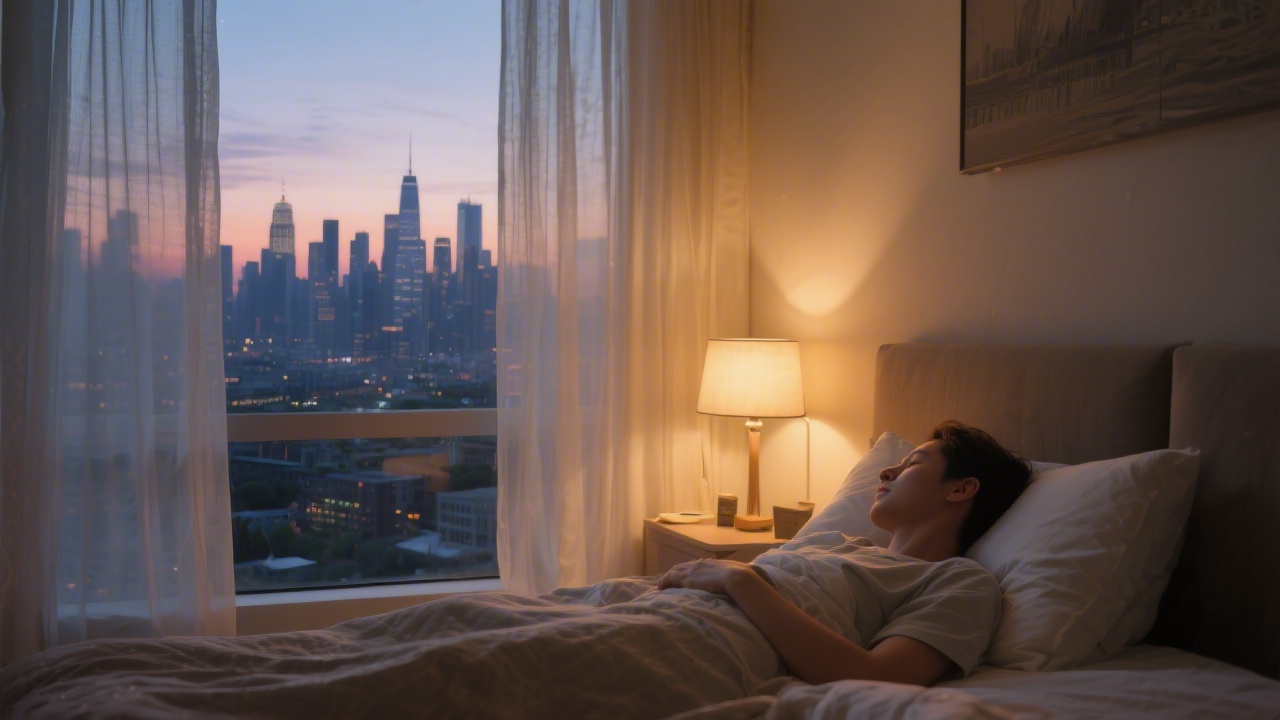
by Relocating internationally is one of the most comprehensive sleep disruptions a person can undergo. Unlike a holiday where jet lag is expected and temporary, expat relocation combines acute jet lag with ongoing environmental unfamiliarity, social uprooting, and a cultural adjustment process that operates over months — each layer adding a separate mechanism for sleep disruption. The expat who sleeps well within the first year of relocation is either physiologically fortunate or has been deliberate about managing the process.
Our Mattress Recommendation
After testing dozens of mattresses for sleep quality and support, the Saatva Classic consistently ranks at the top for recovery sleep — particularly important for shift workers and high-demand professionals.
Acute Phase: Arrival and the First Two Weeks
The first two weeks of expat relocation are dominated by acute jet lag effects combined with the sensory processing demands of a genuinely new environment. Every piece of information — street sounds, climate, light patterns, social interactions in a new language or cultural context — is processed as genuinely novel input, which maintains higher baseline arousal levels and delays sleep onset.
Classic jet lag management applies: prioritize arrival-side light exposure, shift meal timing immediately to local schedule, and do not nap beyond 20 minutes in the first 48 hours regardless of fatigue (longer naps anchor the old timezone). For eastward travel (including US to Europe, Europe to Asia), the adaptation is physiologically harder — the circadian clock advances more slowly than it delays, making eastward jet lag typically more disruptive per time zone crossed than westward.
Chronic Phase: The Sleep Adjustment Process (Months 1–6)
What most expat guides do not address is the chronic mild sleep disruption that persists well past the acute jet lag phase. This is driven by ongoing environmental factors that do not feel dramatic but cumulatively degrade sleep quality.
Noise profiles: Every city has a characteristic noise profile — frequency, timing, and character. A quiet suburban American accustomed to near-silence at 2am may be living in a city where traffic, hawkers, festivals, prayer calls, or nightlife create sustained acoustic stimulation through the early morning hours. The auditory system processes these as genuinely novel (and potentially significant) sounds far longer than locals who have habituated over years. This is not a character flaw — it is a feature of the human threat-detection system processing an unfamiliar environment.
Climate and humidity: Sleep quality is thermally sensitive. A person who slept well in a dry temperate climate may struggle in tropical humidity where sweat does not evaporate effectively and core body temperature is difficult to lower to the sleep-optimal 65–68°F range. Air conditioning quality varies enormously by country and building type. Climate adaptation — physiological acclimatization to heat and humidity — takes 10–14 days of active exposure, after which the thermoregulatory system begins functioning more efficiently.
Light profiles: Countries near the equator have minimal seasonal variation in day length — a consistent 12:12 light-dark cycle. Northern European countries have dramatic summer-winter variation that challenges circadian systems calibrated to different latitude patterns. High-altitude cities have different UV profiles. All of these represent genuine circadian inputs that require recalibration.
Creating a Sleep Sanctuary Abroad
The most effective expat sleep strategy is investing early and deliberately in the bedroom environment. This is not self-indulgence — it is recovery infrastructure.
Bedding investment: Hotel-style mattresses vary dramatically by country and culture. Many furnished expat apartments have mattresses that would be considered inadequate in a U.S. or European consumer context. If relocation includes a furnished accommodation period, prioritizing mattress quality — either by negotiating with the landlord, supplementing with a quality topper, or budgeting for replacement — delivers outsized sleep quality returns. A quality mattress topper (2–3 inch memory foam or latex) can transform a mediocre provided mattress for under $150–200.
Blackout capability: Temporary blackout solutions — travel blackout blinds with suction cups, blackout fabric cut to window dimensions — provide immediate sleep environment improvement before permanent window treatments can be installed. In cities with significant light pollution or early sunrise, this matters more than most expats initially recognize.
Acoustic management: White noise (a portable machine or phone app running at 50–60 dB) masks the novel acoustic environment effectively. Many long-term expats report that after 6–12 months they can phase out white noise as habituation develops, but the first year benefit is significant.
Social and Psychological Sleep Disruptors for Expats
Beyond environmental factors, expat sleep is affected by social and psychological dynamics that are often underestimated. Isolation, social uncertainty, professional ambiguity (particularly for accompanying partners who have no formal work integration), and identity disruption all activate the stress response system in ways that chronically elevate cortisol and delay sleep onset. See our guide on managing anxiety-related sleep disruption for strategies that address these psychological mechanisms directly.
Regular video calls to home-country relationships help maintain social anchoring and reduce the isolation component — but timing matters. Calls timed to home-country evenings may fall in the new-country late night or early morning, creating irregular sleep disruptions that compound other adaptation challenges. Establishing predictable call windows that do not intrude on sleep scheduling is worth the organizational effort.
Our Mattress Recommendation
After testing dozens of mattresses for sleep quality and support, the Saatva Classic consistently ranks at the top for recovery sleep — particularly important for shift workers and high-demand professionals.
Frequently Asked Questions
How long does it take to sleep normally after international relocation?
Acute jet lag resolves within 1–2 weeks. Environmental adaptation (noise, climate, light) typically requires 2–6 months for full habituation. Psychological and social adjustment — the anxiety and isolation components — operate on a longer timeline, often 6–18 months for full stabilization. Most expats report consistently good sleep quality at the 6-month mark if they have been deliberate about their sleep environment.
Is it harder to sleep in tropical climates?
Yes, initially. High heat and humidity elevate core body temperature above the optimal sleep range, and tropical nights rarely cool to the 65–68°F range that research identifies as optimal. Physiological acclimatization takes 10–14 days of active exposure. Air conditioning, breathable bedding (cotton or bamboo in high humidity), and ceiling fans that facilitate evaporative cooling all help bridge the acclimatization period.
Should I try to maintain my home-country sleep schedule or immediately adopt local time?
Immediately adopt local time. Maintaining home-country timing — staying awake until 3am local because that's "normal" at home — prevents the circadian shift that allows restorative local-pattern sleep. The discomfort of immediate adaptation is shorter than the discomfort of a prolonged half-adapted state. Force local anchor points: wake at your target local time from day one, eat at local meal times, and use morning light exposure to accelerate the shift.
What sleep quality differences exist between furnished expat apartments and home mattresses?
Furnished expat apartments commonly provide economy-grade mattresses — often firm foam with poor pressure relief and limited durability. The sleep quality difference between a worn furnished mattress and a quality personal mattress can be significant, particularly for side sleepers and anyone with musculoskeletal concerns. A quality mattress topper is the highest-ROI immediate sleep investment for expats in furnished accommodation.
How do Muslim call to prayer or other religious soundscapes affect sleep?
The Fajr (pre-dawn) call to prayer in Muslim-majority countries typically occurs at 4:30–5:30am local time, varying by season and latitude. For expats not habituated to this acoustic pattern, it is a reliable early-morning sleep disruption. Full habituation — where the auditory system stops flagging the call as novel input — typically takes 2–6 months. White noise, earplugs, or high-attenuation apartment selection accelerate the effective adaptation period.