
 by
by Highly sensitive people (HSPs) represent approximately 15-20% of the population. Their nervous systems process all stimuli more deeply and thoroughly than average. That is a cognitive and emotional strength in many contexts. For sleep, it creates a specific set of challenges that standard sleep advice does not address.
Our Top Pick
Saatva Classic
Individually wrapped coils and Euro pillow top — our top recommendation for HSPs needing pressure relief without motion disturbance.
How High Sensitivity Affects the Sleep System
Sensory processing sensitivity (SPS) is the scientific term for what most people call being highly sensitive. It is not a disorder. It is a neurological trait characterized by deeper processing of sensory, social, and emotional information. The trait correlates with greater awareness of subtleties, stronger emotional responses, and greater sensory saturation after stimulating days.
The sleep implications are direct. The HSP nervous system has processed more information per unit of time than a non-HSP nervous system operating in the same environment. That processing backlog does not clear instantly at bedtime. HSPs typically need a longer and more carefully controlled wind-down period to transition successfully into sleep.
The Sensory Environment Protocol for HSPs
For highly sensitive people, the bedroom environment is not just a comfort preference. It is a clinical variable. The following elements warrant careful attention:
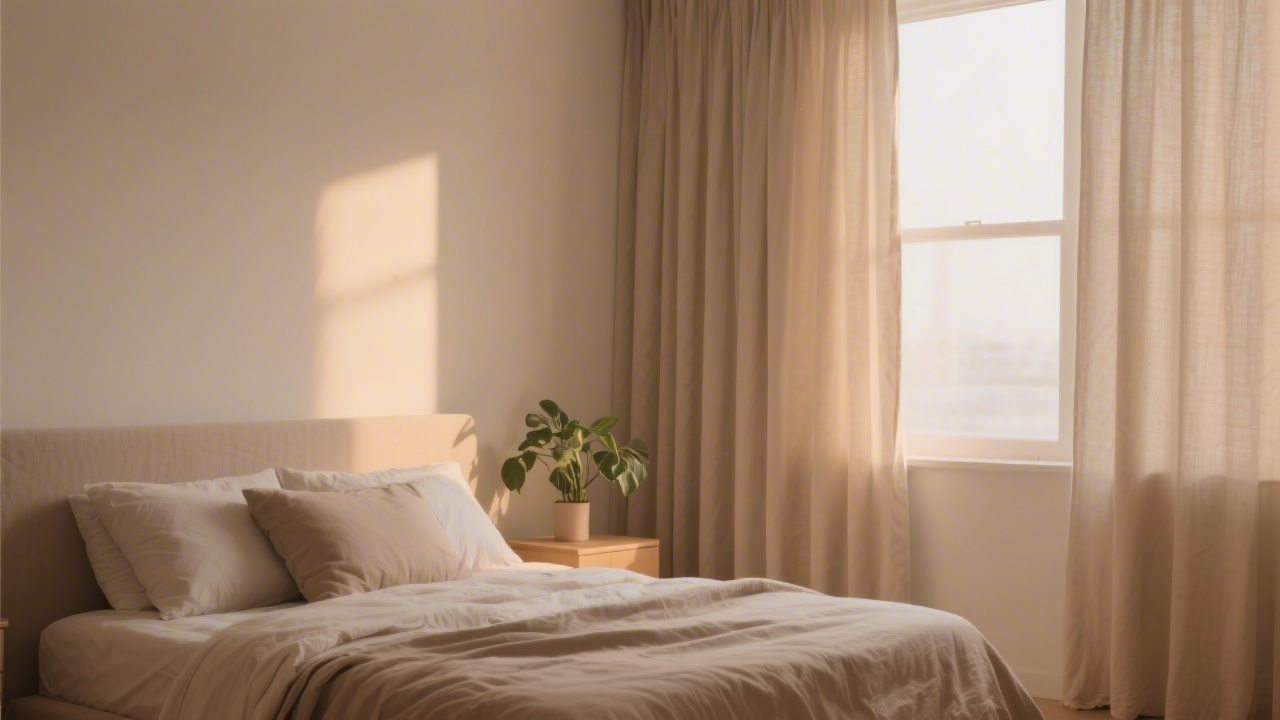
Light. HSPs often notice light sources that non-HSPs disregard entirely: standby lights on electronics, streetlight seepage, the glow of a partner’s phone. Blackout curtains with zero light leakage and covering all standby lights removes these triggers.
Sound. Even sounds below the conscious awareness threshold can prevent sleep onset in HSPs. White or pink noise is more effective than silence for many HSPs because it masks the irregular small sounds that would otherwise activate the nervous system.
Temperature. HSPs often notice temperature more acutely than others. The standard 65-68F (18-20C) recommendation applies, but HSPs may need to fine-tune this more precisely. They also tend to notice the feeling of heavy blankets, so lighter high-quality bedding often outperforms thick duvets.
Tactile. The texture of sheets, pajamas, and mattress surface matters significantly for HSPs. Rough or inconsistent textures maintain tactile system activation during the critical sleep-onset window. This is why mattress and bedding quality is a high-leverage variable specifically for this population.
The HSP Wind-Down Protocol
Standard sleep hygiene prescribes 30-60 minutes of wind-down. For HSPs, especially after stimulating days, the required window is often two to three hours. The protocol:
- Stimulus reduction starts at hour -3: Begin lowering environmental stimulation three hours before target sleep. This means transitioning to low-stimulation activities, dimming lights, and reducing audio levels.
- Hour -2: sensory transition. Shower or bath (the temperature drop after warming accelerates sleep onset), change to preferred sleep clothing, enter the bedroom environment.
- Hour -1: cognitive offloading. Write out any unresolved thoughts, to-dos, or concerns. This externalizes the mental processing load so it does not continue during sleep onset. Reading fiction (low emotional intensity) is appropriate. Screens off.
- Target sleep time. The bedroom should be fully prepared: temperature set, light eliminated, sound masked.
Mattress Considerations for HSPs
Highly sensitive people are more affected by mattress quality than the general population for two reasons. First, physical discomfort and pressure points are experienced more intensely. Second, partner motion disturbances — which most people habituate to — are more likely to disrupt HSP sleep.
The priorities for an HSP mattress: pressure point relief at shoulders and hips, low motion transfer, consistent temperature regulation (hot spots wake HSPs), and a surface texture that does not trigger tactile irritation. Zoned support systems that provide differential firmness across sleep zones score well across these criteria.
Managing Overstimulation Days
HSPs can anticipate which days will require extended sleep recovery: high-social days, days with significant sensory input (loud environments, crowds), or emotionally dense days. Building the extended wind-down into the schedule on these days is preventative. Many HSPs find that brief mid-day sensory breaks — 10-15 minutes in a quiet, low-stimulus space — reduce the evening processing backlog significantly.
Internal Links
Related reading: Sleep for Introverts | Sleep for Neurodivergent Adults | Sleep for Caregivers
Frequently Asked Questions
What is high sensitivity and how does it affect sleep?
High sensitivity (formally described as sensory processing sensitivity) means the nervous system processes stimuli more deeply and thoroughly. For sleep, this means HSPs are more easily disrupted by noise, light, temperature, and tactile discomfort than the general population.
What thread count sheets are best for highly sensitive people?
HSPs typically prefer sheets with a smooth, consistent texture. Percale weaves (200-400 thread count) with long-staple cotton are often preferred. Sateen can feel too slippery for some HSPs. The priority is eliminating any texture friction that keeps the tactile system active.
Do highly sensitive people need more sleep than others?
HSPs do not necessarily need more hours of sleep, but they typically need a longer wind-down period and a higher-quality sleep environment to achieve equivalent rest. The processing cost of daily stimulation is higher, so recovery sleep quality matters more.
Is high sensitivity related to insomnia?
HSPs have higher rates of sleep onset difficulty than non-HSPs, though this is not clinical insomnia in most cases. The primary mechanism is difficulty disengaging from the day’s accumulated sensory input during the pre-sleep window.
How important is mattress quality for highly sensitive people?
Mattress quality is unusually important for HSPs because tactile discomfort, pressure points, and motion disturbances are experienced more acutely. An unsupportive mattress that most people can sleep through will often prevent an HSP from sleeping at all.
Our Top Pick
Saatva Classic
Pressure relief, low motion transfer, consistent temperature. Built for sensitive sleepers.
Disclosure: MattressNut earns a commission on qualifying purchases made through affiliate links at no extra cost to you.