
 by
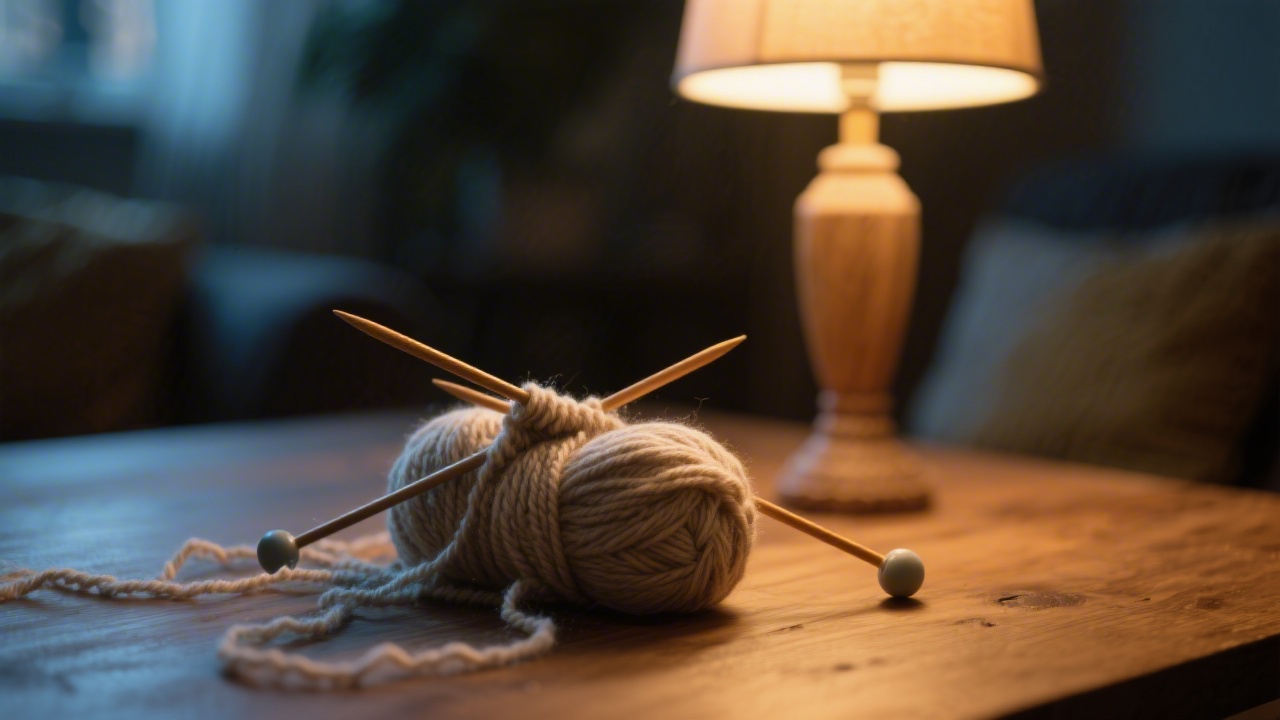
by Knitters have known for generations that an evening with needles produces better sleep than an evening with screens. The science has caught up: repetitive crafts activate specific neural pathways that promote sleep onset, reduce anxiety, and provide psychological restoration in ways that make them genuinely superior pre-sleep activities for many people.
But evening crafting has real sleep pitfalls too — and understanding both sides makes your hobby work for your sleep rather than against it.
Our Top Mattress Pick for Sleep Quality
The Saatva Classic is our editors' top pick for sleep quality and spinal support — available in three firmness levels with white-glove delivery.
Check Saatva Pricing & Availability →The Neuroscience of Repetitive Craft
Knitting, crochet, and similar repetitive crafts produce a distinctive neural state that researchers have compared to mindfulness meditation. The mechanism:
- Default mode network activation: Repetitive physical tasks that don't require full attention allow the default mode network — the brain's "resting state" network — to become dominant. This network is associated with autobiographical memory, social simulation, and the kind of diffuse, non-goal-directed thinking that precedes sleep and dreaming.
- Cortisol reduction: A 2012 survey of 3,500 knitters found that 81% reported feeling calmer after knitting, and 54% reported feeling "very happy" — effects mediated by reduced cortisol and increased serotonin from focused, pleasurable craft activity.
- Anxiety interruption: The rhythmic physical demands of knitting require just enough cognitive engagement to interrupt ruminative thought loops — the anxious mental rehearsal of worries that delays sleep onset — without triggering the full analytical processing of goal-directed problem-solving.
- Tactile grounding: The sensory experience of fiber, texture, and rhythmic movement provides sensory grounding that reduces the hypervigilant nervous system state associated with anxiety and pre-sleep arousal.
The Evening Craft Pitfalls
Not all evening crafting promotes sleep equally. Several common patterns work against sleep quality:
- New and complex techniques: Learning a new stitch, following an intricate lace pattern, or troubleshooting a complex construction problem activates prefrontal analytical processing — the opposite of the default mode state you want pre-sleep. New projects belong in the afternoon.
- Bright work lighting: Crafters often illuminate their work with bright directional lamps — understandably, since precision requires it. But cool-spectrum bright light at 9–10pm meaningfully suppresses melatonin. Switching to warm-spectrum LEDs (2700K) at high intensity from a well-positioned angle preserves visibility while reducing melatonin disruption.
- Eye strain from fine work: Embroidery, cross-stitch, and beadwork require sustained near-focus under artificial light. Ciliary muscle fatigue from this close work can produce headaches and physical tension that interfere with sleep onset even after crafting stops. Use magnification for fine work, take visual rest breaks every 20–25 minutes, and apply the 20-20-20 rule (every 20 minutes, look at something 20 feet away for 20 seconds).
- Screen integration: Many crafters follow video tutorials or watch TV while crafting. The screen component largely cancels the sleep benefits of the craft. Audio (podcasts, audiobooks, music) preserves the relaxing effects of craft without the blue-light disruption of screens.
Craft Types by Sleep Compatibility
Not all crafts are equally suited to pre-sleep practice:
- Excellent (pre-sleep): Knitting familiar patterns, simple crochet, hand quilting, hand spinning on drop spindle, repetitive embroidery on established design
- Acceptable: Watercolor painting (low visual demand, meditative), journaling, hand lettering familiar text
- Daytime only: New techniques in any craft, precision cutting (quilting, papercraft), intricate lace or colorwork patterns, sewing machine work, resin/epoxy projects, anything requiring harsh task lighting
The Pre-Sleep Craft Ritual
A deliberate craft-to-sleep protocol that many makers have found effective:
- 8pm: Switch to established, familiar project. Put on an audiobook or calm music playlist. Warm-spectrum lamp only.
- 9pm: Begin slowing pace naturally. The body's melatonin rise and the craft's meditative effect combine to produce genuine drowsiness for most people.
- 9:30pm: Put away craft materials (this physical closing-down routine is a powerful conditioned cue for sleep onset). Brief hygiene routine.
- 10pm: Bed with a physical book if not yet fully sleepy. Most regular craft-then-readers report sleep onset within 10–15 minutes of lights out.
Crafting, Chronic Pain, and Sleep
Many dedicated crafters work through hand, wrist, or shoulder discomfort — repetitive strain is common in knitters and embroiderers. Chronic pain significantly disrupts sleep: it fragments sleep architecture, suppresses slow-wave sleep, and creates hyperarousal that delays onset.
If craft-related pain is affecting sleep, consider: frequent breaks, ergonomic tools, and ensuring your sleeping position and mattress don't compound shoulder or neck discomfort from daytime craft work. Side sleeping without adequate shoulder support is a common aggravating factor for crafters with upper-body strain. A mattress with appropriate pressure relief at the shoulder and hip is genuinely relevant to this population. Understand how small daily habits accumulate into better long-term sleep outcomes.
Our Top Mattress Pick for Sleep Quality
The Saatva Classic is our editors' top pick for sleep quality and spinal support — available in three firmness levels with white-glove delivery.
Check Saatva Pricing & Availability →Frequently Asked Questions
Is knitting before bed good or bad for sleep?
Knitting is generally excellent for pre-sleep use. The repetitive rhythmic motion activates the default mode network (relaxed, associative thinking) and has been compared neurologically to meditation in several studies. It reduces cortisol, occupies the hands without demanding full concentration, and creates a state of calm absorption that transitions smoothly into sleepiness — unlike screen activities that increase arousal.
Why do I get eye strain from evening crafting?
Fine handwork (embroidery, cross-stitch, detailed knitting) requires sustained close-focus visual effort under artificial lighting. This near-work eye strain fatigues the ciliary muscles and can produce headaches that disrupt sleep onset. Contributing factors: lighting that's too dim (causing eye strain), cool-spectrum lighting (blue-light suppression of melatonin), and insufficient blinking during concentrated focus. Use bright, warm-spectrum (2700K) light positioned from behind and to the side.
Can crafting replace meditation for sleep preparation?
For many people, yes — more effectively. Formal meditation requires metacognitive awareness that some people find effortful; knitting and repetitive crafts produce the same shift from directed to diffuse thinking more naturally. Research on 'flow states' in craft suggests that absorption in repetitive creative work reduces psychological stress markers similarly to mindfulness meditation, with lower barriers to entry for non-meditators.
What crafts are best for pre-sleep winding down?
Knitting and simple crochet are the gold standard — rhythmic, repetitive, low visual demand once pattern is established. Embroidery and cross-stitch are acceptable but require more visual concentration. Avoid activities with high cognitive load (complex pattern following, new techniques requiring concentration), cutting and precision measuring, or bright spotlight work lighting. Save complex new projects for daytime; use evenings for established patterns.
Does the creativity of crafting keep the mind too active for sleep?
The key distinction is between repetitive/established crafting (low cognitive demand, default mode activating) and novel/complex crafting (high cognitive demand, prefrontal activating). Working a familiar pattern you've done many times is neurologically very different from learning a new technique. For pre-sleep, stick to patterns you know — your hands can work them while your mind drifts.
Our Top Mattress Pick
The Saatva Classic consistently ranks #1 for comfort, support, and long-term durability.
View Saatva Classic Pricing & DetailsKey Takeaways
Knitting, Crafting, and Sleep is a topic that depends heavily on individual needs and preferences. The most important thing is to consider your specific situation — your body type, sleep position, and personal comfort preferences — before making any decisions. When in doubt, take advantage of trial periods to test before committing.