
 by
by Gaming and sleep exist in genuine conflict for millions of people. Unlike most hobbies that naturally wind down in the evening, gaming escalates — competition intensity increases, session pacing keeps you in one more match, and the reward chemistry of gaming is specifically engineered to resist stopping.
This is a guide about the gamer lifestyle and sleep — not just one late night, but the long-term balance between a serious hobby and sustainable health. (For specific blue-light and pre-bed gaming strategies, see our companion piece on gaming before bed.)
Our Top Mattress Pick for Sleep Quality
The Saatva Classic is our editors' top pick for sleep quality and spinal support — available in three firmness levels with white-glove delivery.
Check Saatva Pricing & Availability →The Gamer Sleep Problem Is Structural, Not Willpower
Sleep researchers who study gaming note that late gaming is not primarily a discipline failure. Modern games are designed by behavioral engineers using the same variable-ratio reward schedules as slot machines — reward delivery is unpredictable and intermittent, which is the most resistant-to-extinction behavior pattern known.
When you decide to stop playing, your brain is in the middle of a dopaminergic anticipation cycle — you're about to get the reward, or recover the loss, or finish the level. Stopping feels actively aversive, not just boring. Understanding this mechanism removes self-blame and focuses strategy on structural solutions rather than willpower.
Cumulative Sleep Debt in Gaming Culture
The gaming community normalizes sleep deprivation in ways other hobbies don't. Late-night streaming, weekend all-nighters, "just one more game" that turns into 3am — these aren't individual failures but cultural norms. The cognitive and physical costs accumulate:
- Reaction time: After 17–19 hours without sleep, reaction time deteriorates to the equivalent of a 0.05% blood alcohol level — measurably relevant to competitive gaming performance
- Decision-making: Sleep debt impairs strategic planning, risk assessment, and the working memory capacity needed for complex game states
- Emotional regulation: Toxicity in gaming communities is significantly worse in late-night, sleep-deprived sessions — not coincidentally
- Physical health: Chronic partial sleep deprivation (6 hours/night for 2+ weeks) has metabolic and immune effects equivalent to total sleep deprivation for 24–48 hours
Structural Solutions That Actually Work
For serious gamers, the goal isn't less gaming — it's smarter scheduling that protects sleep without giving up the hobby:
- Hard stop time, not soft: A calendar alert at 9:30pm is more effective than an intention to stop at 10pm. The soft intention is defeated by game state; a hard stop that interrupts regardless works better because it removes decision-making from an impaired-decision-making state.
- Scheduled long sessions: Weekend gaming marathons are less damaging to sleep health than daily late-night sessions. A Saturday afternoon 6-hour session ending by 9pm is far better than four 2am weeknight sessions.
- Gaming earlier in the day: Pre-dinner gaming sessions preserve evening wind-down time. Many streamers and competitive gamers find their performance is actually better in afternoon sessions (better alertness, faster reaction time) than late-night sessions they stay up for.
- Wind-down protocol: A defined post-gaming buffer — shower, movement, quiet activity — that creates a genuine physiological transition. Your nervous system cannot shift from high-arousal competitive gaming to sleep readiness instantly. The buffer is not optional.
Gaming Peripherals and Sleep Environment
The gaming setup itself creates sleep environment problems that persist even after gaming ends:
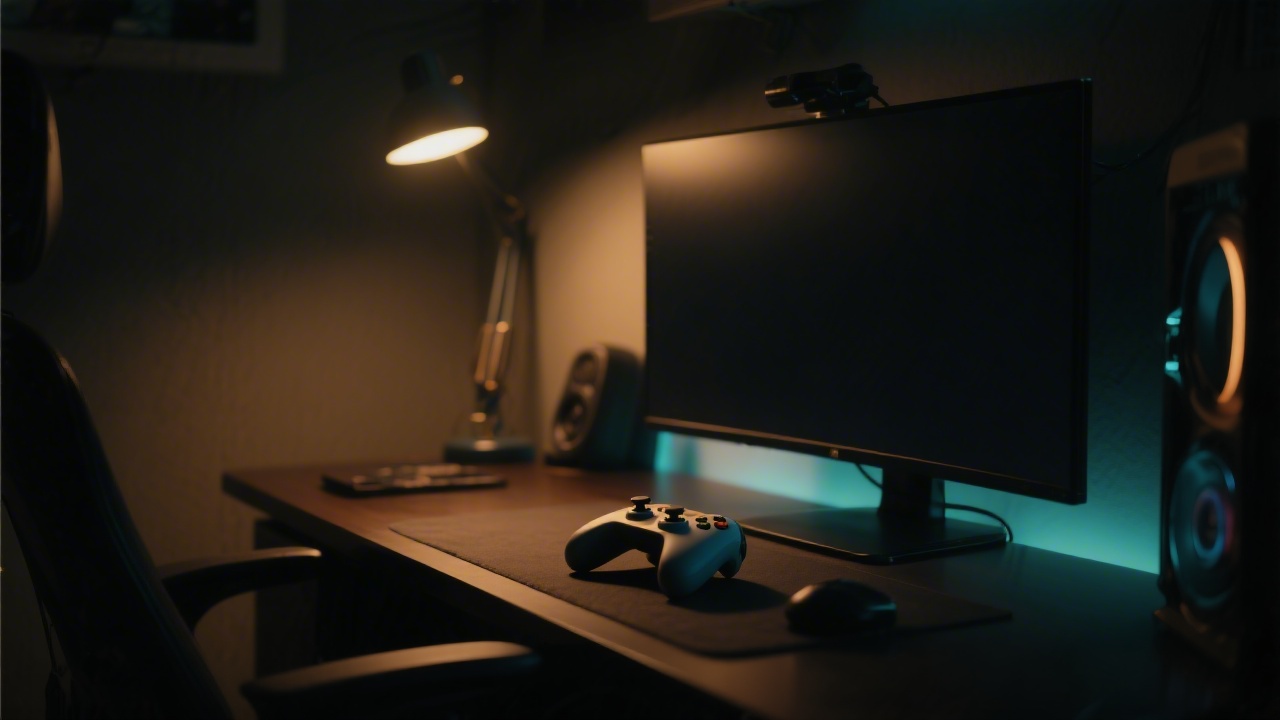
- Room light: RGB lighting and monitor glow in bedrooms activates the space as a gaming environment — creating a conditioned cue that gaming and wakefulness are associated with that space. Separate gaming and sleeping rooms where possible; if not, blackout the setup at night with a curtain or cover.
- Ambient noise: Gaming headsets create acoustic isolation that makes switching to silent sleeping difficult. Active noise-canceling earplugs (or simply foam earplugs) can help bridge the acoustic transition.
- Chair posture: Long gaming sessions in poor posture create back tension that impairs sleep comfort. A quality mattress that relieves spinal compression during sleep matters more for gamers who sit for 4+ hours daily than it does for more physically active people.
When Gaming Disrupts Sleep Health Long-Term
If gaming has created chronic sleep deprivation — consistent 5–6 hour nights, difficulty sleeping without gaming to exhaustion first, inability to fall asleep without screen stimulation — the path back involves behavioral reconstruction rather than simple schedule adjustment. Cognitive Behavioral Therapy for Insomnia (CBT-I) is the gold standard treatment and addresses gaming-associated sleep problems specifically.
Understanding your own chronotype also matters — many gamers are natural night owls whose gaming habits align with their biological preference for late activity. Where life circumstances allow, scheduling around chronotype reduces the sleep-gaming conflict significantly.
Our Top Mattress Pick for Sleep Quality
The Saatva Classic is our editors' top pick for sleep quality and spinal support — available in three firmness levels with white-glove delivery.
Check Saatva Pricing & Availability →Frequently Asked Questions
How does late-night gaming specifically hurt sleep?
Late gaming sessions disrupt sleep through three independent mechanisms: blue light from screens suppresses melatonin production, competitive arousal elevates cortisol and adrenaline that take 60–90 minutes to clear, and the variable-ratio reward schedules of most games activate dopamine systems in ways that make stopping feel aversive. All three operate simultaneously, making gaming one of the most effective sleep disruptors available.
Is gaming addiction different from just staying up too late?
Gaming disorder (recognized by the WHO in ICD-11) involves loss of control over gaming frequency, prioritizing gaming over other activities including sleep, and continuation despite negative consequences. However, most gamers who sleep poorly are not disordered — they simply underestimate how long post-gaming arousal lasts and haven't built adequate buffers between gaming and bed.
Can gaming earlier in the day actually improve sleep?
Yes — gaming in the afternoon or early evening is cognitively stimulating without directly disrupting melatonin timing. Competitive gaming that ends by 7–8pm gives adequate clearance time for cortisol to return to baseline before a 10–11pm bedtime. The timing, not the gaming itself, is the primary variable.
What's the fastest way to wind down after a gaming session?
The fastest evidence-based method: 15–20 minutes of light physical movement (walk, stretching), warm shower or bath, then 20–30 minutes of low-stimulation activity (reading physical book, podcast). This combination accelerates cortisol clearance and initiates the core temperature drop that signals sleep onset. Don't switch directly from gaming to lying in bed — the arousal state will persist.
Do professional esports players have special sleep strategies?
Yes — elite esports organizations increasingly employ sleep coaches. Common practices include consistent bedtimes regardless of competition schedule, blackout curtains, eye masks for post-competition sleep, melatonin (0.5mg) for schedule shifts during tournaments, and mandatory no-gaming periods of 2+ hours before intended sleep time. The strategies mirror professional athletes in physical sports.
Our Top Mattress Pick
The Saatva Classic consistently ranks #1 for comfort, support, and long-term durability.
View Saatva Classic Pricing & Details