
 by
by The mattress that supports your creative recovery
The Saatva Classic combines innerspring support with Euro pillow top comfort — built for people who take their rest seriously.
The Voice as a Sleep-Dependent Instrument
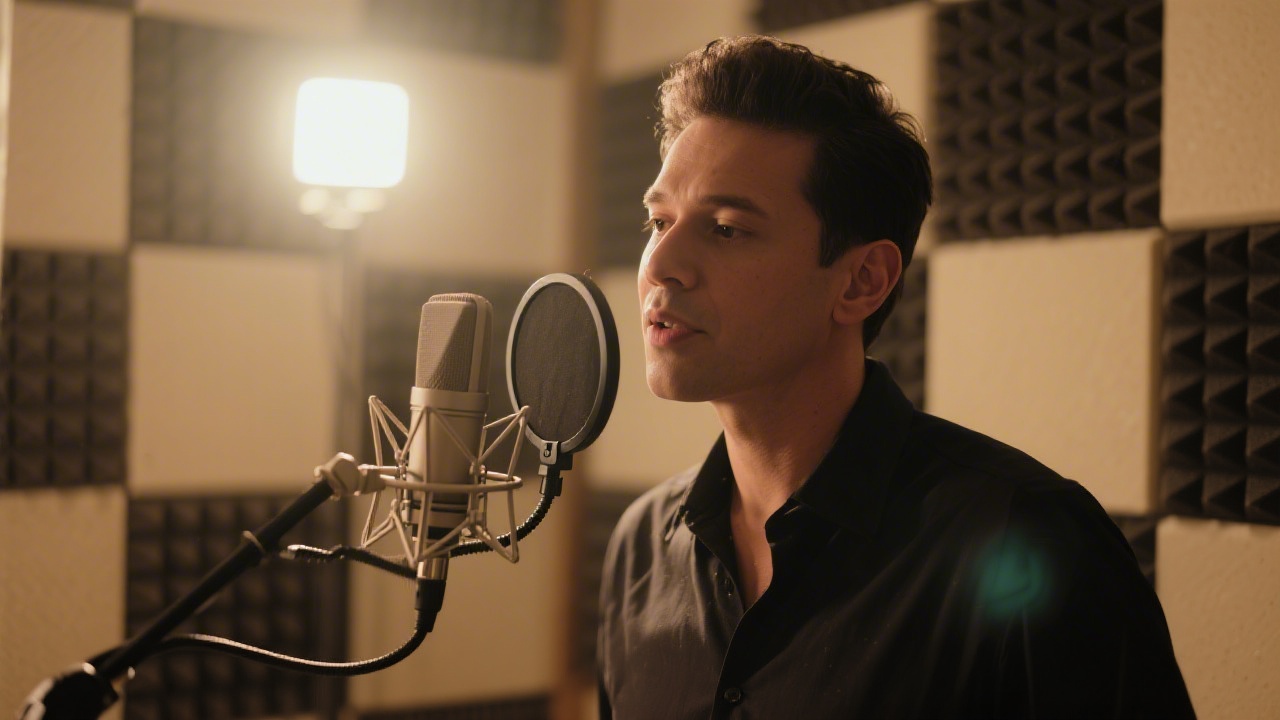
Voice actors work with an instrument they carry everywhere but cannot replace or upgrade. The vocal folds, larynx, resonating chambers, and breath support system that constitute a professional voice require maintenance that only sleep can provide. Unlike external instruments that degrade on their own schedule regardless of the musician's behavior, the voice is directly responsive to the physiological state of the person using it — and few physiological factors affect vocal performance as directly as sleep quality.
The relationship between sleep and vocal function operates through multiple mechanisms: tissue repair, inflammation regulation, nervous system coordination, emotional expressiveness, and the cognitive functions that underlie performance quality. Each of these is sensitive to sleep in ways that compound across sessions when sleep is consistently insufficient.
Vocal Fold Lubrication and Sleep
The vocal folds vibrate at frequencies ranging from approximately 80Hz (deep bass registers) to 1100Hz (upper soprano) during phonation. This vibration requires the folds to be appropriately lubricated by a thin layer of mucus — too dry and the folds vibrate roughly, producing hoarseness and discomfort; properly hydrated and they produce smooth, clean phonation with appropriate overtone richness.
Sleep supports vocal fold lubrication in two ways. First, during sleep, the body's maintenance processes include mucous membrane renewal throughout the respiratory tract, including the larynx. Second, sleep quality directly affects systemic hydration regulation and cortisol levels — elevated cortisol from sleep deprivation promotes inflammation, including in mucosal tissues.
Voice actors who arrive at morning recording sessions with hoarse or rough vocal quality after seemingly good hydration the day before are often experiencing the effects of insufficient sleep on overnight mucosal maintenance rather than simply a hydration deficit.
Breath Support and Sleep-Dependent Recovery
Professional voice acting requires diaphragmatic breath support — a physically demanding technique that uses the respiratory muscles to project voice, maintain consistent volume, and sustain long phrases without audible effort. These muscles, like all skeletal muscles, require sleep for recovery from daily use and for the hormonal environment (particularly growth hormone, which peaks during slow-wave sleep) that supports tissue repair and strength maintenance.
Voice actors who maintain heavy recording schedules without adequate sleep progressively accumulate respiratory muscle fatigue that manifests as reduced breath control, earlier fatigue during long sessions, and inconsistent volume projection across takes.
Emotional Nuance: The Performance Layer That Sleep Protects
Beyond the physical mechanics of voice, professional voice acting requires the emotional intelligence to inhabit characters authentically — to access genuine grief, warmth, menace, or delight rather than producing technically accurate impressions of those states. This emotional availability is perhaps the most fragile component of voice performance under sleep deprivation.
Research on emotional processing shows that sleep deprivation specifically impairs the prefrontal cortex's regulation of the amygdala — the neural mechanism underlying emotional nuance and appropriate emotional response. Sleep-deprived individuals show both reduced emotional range (flat, less expressive) and inappropriate emotional reactivity (overreacting to mild frustration). Neither extreme produces the controlled, authentic emotional expression that separates professional voice acting from technically correct but emotionally hollow performance.
Directors and producers who work with voice actors frequently note that performance quality drops in ways that feel emotional rather than technical during sessions after poor sleep — a subjective observation that aligns precisely with the neuroscience.
Cognitive Load: Line Recall, Character Consistency, Direction Responsiveness
Voice acting requires rapid line recall under session conditions, the ability to maintain consistent character voice and emotional register across a long recording day, and the flexibility to immediately incorporate director notes into the next take. All three are executive function tasks that degrade with sleep deprivation.
Working memory — which holds the current line, the previous take, and the director's instruction simultaneously — is one of the cognitive functions most sensitive to sleep restriction. Voice actors who find themselves asking for line repeats more than usual, struggling to maintain character consistency across a session, or taking more takes to incorporate notes are often experiencing working memory degradation from insufficient sleep.
Sleep Scheduling Around Recording Sessions
The night immediately before a recording session carries the most weight. Prioritize:
- Full sleep duration (7-9 hours based on personal requirement)
- No alcohol the night before — alcohol suppresses REM and dries vocal membranes
- Room humidity at 40-60% — dry air during sleep directly dehydrates vocal fold surfaces
- Nose breathing — address congestion with saline rinse if needed to prevent mouth breathing during sleep
- Fixed wake time that allows for vocal warm-up time before session
Internal links: sleep and entrepreneurship, optimal sleep protocol, meditation before sleep, best mattress 2026.
Frequently Asked Questions
How does sleep deprivation affect vocal performance?
Sleep deprivation reduces lubrication in the mucous membranes lining the vocal tract, increases vocal fold fatigue, and impairs the breath support that underlies consistent vocal projection. Studies on vocal performance in sleep-deprived subjects show reduced vocal range, increased roughness, and reduced dynamic control within 24 hours of insufficient sleep.
Should voice actors sleep differently before recording sessions?
The night before a recording session is when sleep quality matters most. Aim for your full habitual sleep duration — typically 7-9 hours. Avoid alcohol the night before (it disrupts sleep architecture and dries vocal membranes), maintain room humidity if you tend to sleep in dry air, and avoid sleeping with your mouth open by addressing nasal congestion proactively.
Does sleep affect vocal cord hydration?
Yes indirectly. Sleep quality affects systemic hydration regulation and mucous membrane maintenance. During sleep, the body performs tissue repair including maintenance of the mucous membranes lining the larynx. Sleep deprivation impairs this repair cycle. Additionally, breathing patterns during poor-quality sleep (including mild snoring or mouth breathing) can directly dehydrate vocal fold surfaces.
What is the impact of late-night recording on sleep and vocal quality?
Late-night recording sessions create a compounding problem: vocal fatigue from the session combines with reduced sleep time, which then impairs vocal recovery. The vocal folds require sleep-dependent tissue repair. Voice actors who regularly record late and sleep short progressively accumulate vocal fatigue that affects tone, range, and stamina in subsequent sessions.
What mattress qualities support a voice actor's sleep?
Voice actors benefit from mattresses that minimize partner disturbance (motion isolation), maintain spinal alignment to prevent muscular tension that can affect posture and breath support, and regulate temperature to prevent mouth breathing from sleeping too warm. A mattress that allows deep, uninterrupted sleep supports the vocal tissue repair that determines next-day vocal quality.
The mattress that supports your creative recovery
The Saatva Classic combines innerspring support with Euro pillow top comfort — built for people who take their rest seriously.
Our Top Mattress Pick
The Saatva Classic consistently ranks #1 for comfort, support, and long-term durability.
Key Takeaways
Sleep for Voice Actors is a topic that depends heavily on individual needs and preferences. The most important thing is to consider your specific situation — your body type, sleep position, and personal comfort preferences — before making any decisions. When in doubt, take advantage of trial periods to test before committing.