
 by
by Our Top Pick for Creative Professionals: Saatva Classic
Deep, restorative sleep starts with the right mattress. The Saatva Classic delivers the pressure relief and temperature regulation serious creatives need.
Affiliate disclosure: We may earn a commission if you purchase through our links, at no extra cost to you.
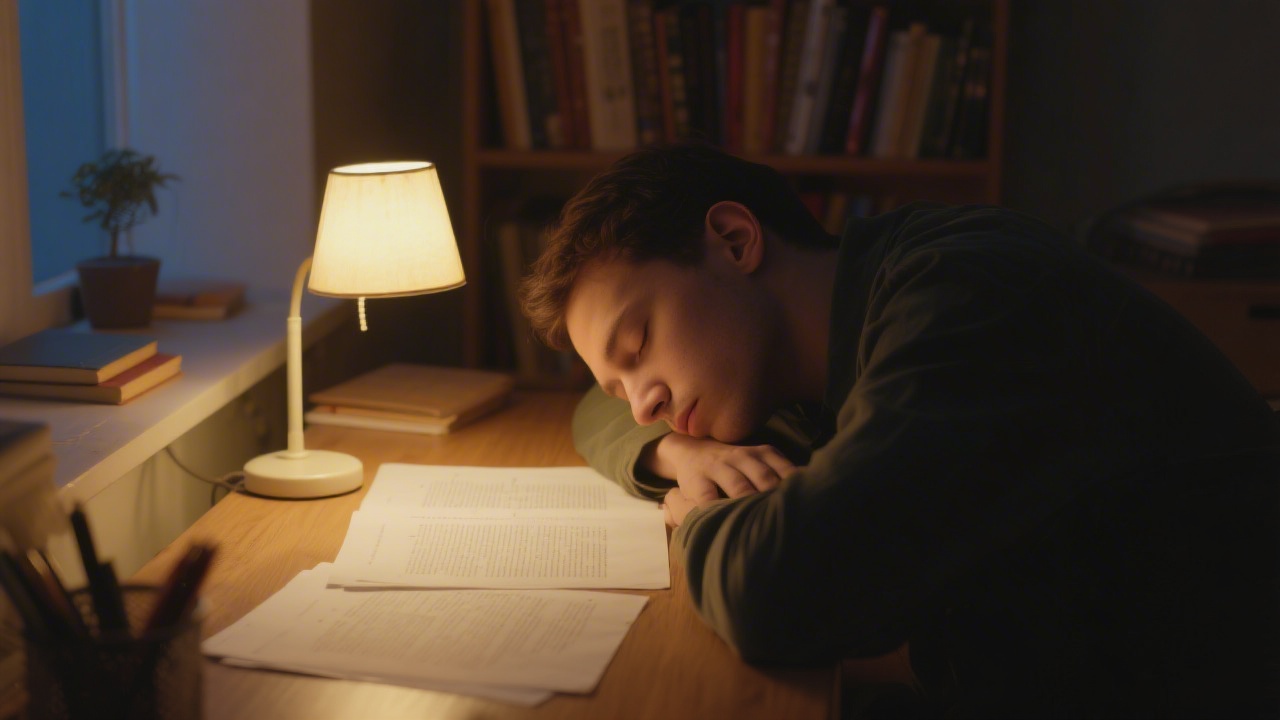
Writers understand fatigue differently from most people. A sleep-deprived accountant makes calculation errors. A sleep-deprived driver responds slowly. A sleep-deprived writer stares at the page and feels the specific horror of having nothing to say. Verbal fluency, narrative synthesis, emotional calibration, and the mysterious ability to know when a sentence is alive or dead: all of these are functions of brain states that adequate sleep produces and inadequate sleep destroys. Sleep optimization for writers is not about productivity hacking. It is about maintaining the conditions under which writing is possible at all.
What Sleep Does for the Writer's Brain
Writing, at its best, is the translation of internal experience into language that produces internal experience in a reader. This translation process draws on multiple cognitive systems simultaneously: working memory (holding the structure of a paragraph or scene in mind while writing a single sentence), verbal fluency (accessing the right word at the right moment), emotional memory (drawing on felt experience to make characters and situations real), and associative creativity (finding the unexpected image or connection that makes a piece of writing alive rather than merely correct).
Each of these systems is restored and developed during sleep, through different mechanisms:
- Working memory is restored primarily during N2 sleep (stage 2 NREM) through hippocampal clearing processes
- Verbal fluency is supported by the consolidation of lexical and semantic memory during NREM slow-wave sleep
- Emotional memory is processed and recalibrated primarily during REM sleep, which strips the emotional charge from experiences while preserving their informational content (Walker, Why We Sleep, 2017)
- Associative creativity is enhanced during REM sleep through the loosening of associative constraints and the integration of remote memories
The Relationship Between REM Sleep and Narrative
Fiction writers depend more heavily on REM sleep than almost any other creative professional. Narrative construction, the ability to maintain multiple character perspectives, track causal chains across time, and produce emotional arcs that feel true, is architecturally similar to the processes that REM sleep runs: integration of temporally distant memories, emotional pattern recognition, and the construction of coherent experience from fragments.
Several writers have described the experience of waking with story solutions that waking deliberation could not produce. This is not mystical. It reflects the specific function of REM sleep in narrative memory integration. The brain during REM sleep is, in a meaningful sense, doing exactly what a novelist does: constructing coherent stories from disparate emotional memories.
The Optimal Writing-Sleep Schedule
No single schedule suits all writers, but several principles hold across chronotypes:
Identify your peak cognitive window
Most writers do their best work during the 2-4 hours of peak alertness that follow the post-waking adenosine clearance window. For morning chronotypes, this is typically 8-11am. For evening chronotypes, it may be 5-9pm or even later. The peak window is when working memory capacity, verbal fluency, and emotional availability are all simultaneously high. Reserve this window for first-draft writing and protect it from administrative tasks, email, and meetings.
Use non-peak windows for editing
Editing is a lower-creativity, higher-analytical task. It benefits from slightly more executive control and slightly less associative looseness than first-draft writing. The post-lunch window (2-3pm) or late afternoon is often better for line editing than for generative drafting.
Avoid late-night drafting when possible
Writing fiction or emotionally intense nonfiction in the 1-2 hours before sleep maintains high cortical arousal and can significantly delay sleep onset. If evening is your only available window, a 30-minute deliberate wind-down period (not involving your manuscript) before sleep reduces this effect.
Protect the final sleep cycle
The last 90-minute sleep cycle of the night is disproportionately REM-rich. Setting an alarm 60-90 minutes earlier than necessary, or sleeping through a non-essential morning obligation, can cost a writer their most creative sleep cycle. Prioritize the full night over early-morning productivity.
Related Guides
Practical Sleep Practices for Writers
Several sleep practices have specific relevance to writing work:
Pre-sleep problem priming: Reviewing a narrative problem or scene challenge for 10-15 minutes before sleep (without forcing a solution) primes the hippocampus to process that specific material during the night. Many writers report finding solutions in morning pages or in the first minutes after waking.
Morning pages on waking: Julia Cameron's three-page longhand practice immediately upon waking is neurologically grounded: it captures the hypnopompic transition state before analytical cognition suppresses the night's processing output.
Nap placement: A 20-minute stage-2 nap before an afternoon writing session clears working memory interference from the morning's activities. A 90-minute morning REM nap (on days when the schedule allows) can significantly extend the night's creative consolidation.
Sleep Environment for Writers
Writers are more susceptible than average to nighttime rumination. The associative, emotionally engaged thinking that makes good writing also makes pre-sleep mental quieting difficult. A consistent pre-sleep routine that clearly signals the shift from creative work to rest (not the same space, not the same light level, not the same mental posture) reduces the sleep-onset delay that ruminative thinking causes.
Temperature regulation is particularly important: the body's core temperature must drop 1-2 degrees for sleep onset to occur. A mattress that traps heat prolongs this process. Writers who use their beds as secondary workspaces compound this problem by associating the bed with cognitive arousal.
Ready to Upgrade Your Sleep — and Your Creativity?
The Saatva Classic is our top-rated mattress for deep, restorative sleep. Exceptional spinal support, precise temperature regulation, and white-glove delivery.
Affiliate disclosure: We may earn a commission if you purchase through our links, at no extra cost to you.
Frequently Asked Questions
How many hours of sleep do writers need?
Individual variation applies, but most adults require 7-9 hours for full cognitive restoration. For writers specifically, the concern is not total sleep time alone but REM sleep duration and quality. REM sleep (which is concentrated in the final 1-2 hours of an 8-hour night) supports the narrative integration, emotional memory, and associative creativity that writing depends on. Sleeping 6 hours cuts this final REM cycle, potentially reducing creative output disproportionately.
What is the best time of day for a writer to do their most important work?
Chronobiology research shows that complex creative work is best done during peak alertness windows, typically 2-4 hours after waking for morning chronotypes (early risers) and 4-6 hours after waking for evening chronotypes. Outside these windows, analytical editing and administrative tasks are better suited to lower-alertness periods. The worst time for creative drafting is typically mid-afternoon when alertness dips.
Does late-night writing hurt sleep quality?
Late-night writing can delay sleep onset by maintaining cognitive arousal. Fiction writing, in particular, involves emotional engagement and complex narrative construction, both of which activate attention circuits that compete with sleep onset. Writers who must work at night benefit from a deliberate 30-60 minute wind-down protocol: light activity, dim lighting, and low-stimulation reading before sleep.
Can dreaming help with writer's block?
Some writers report that content reviewed before sleep appears in modified, restructured forms in dreams or upon waking. This is consistent with the sleep-dependent memory integration research: the brain continues to process narrative and emotional material during REM sleep. Writers who feel genuinely stuck benefit from reviewing the problem (not forcing solutions) for 10-15 minutes before sleep and capturing morning impressions before the analytical mind dismisses them.
How does sleep deprivation affect writing quality specifically?
Sleep deprivation primarily impairs verbal fluency, working memory, and emotional regulation. For writers, this translates to slower word retrieval, increased self-editing frequency (which disrupts flow), reduced capacity for sustained narrative construction, and heightened anxiety about the work. One night of poor sleep can reduce writing output and quality measurably; chronic deprivation accumulates these effects into a persistent creative deficit that many writers misattribute to block or lack of talent.