
 by
by 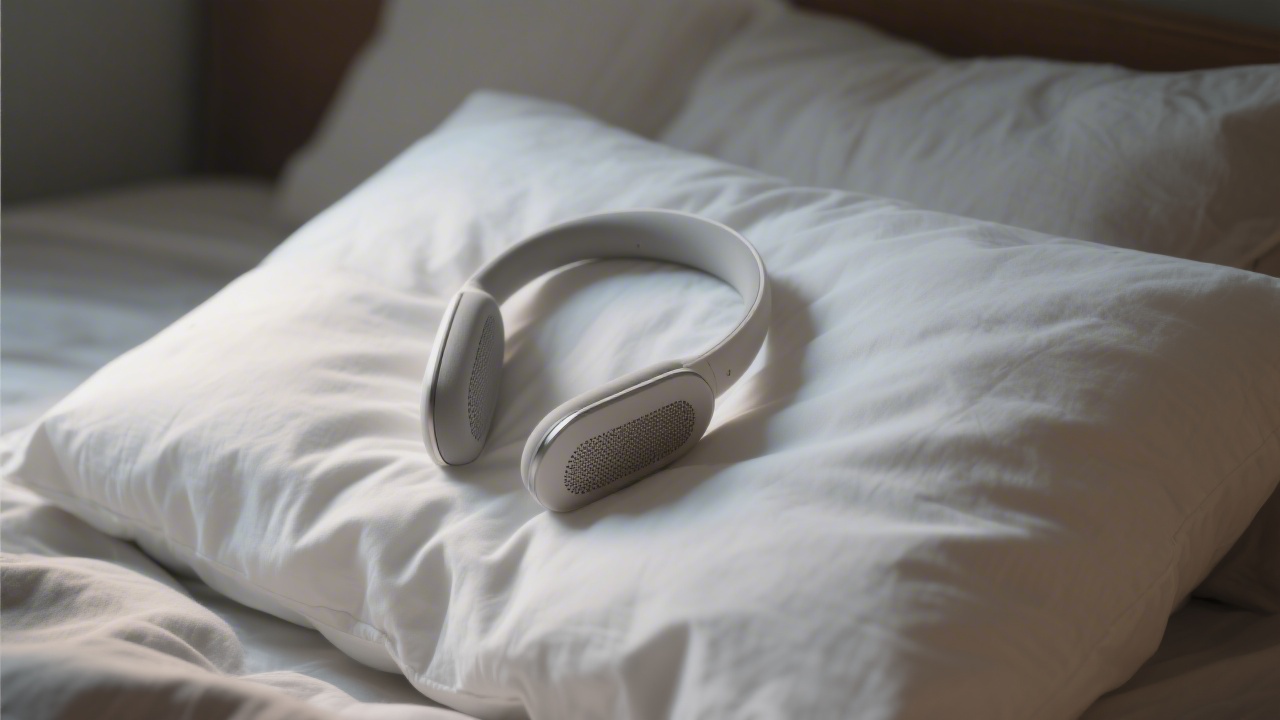
Sleep headphones solve a specific problem: standard over-ear and most in-ear headphones cause pressure pain within 30–60 minutes of side sleeping because they protrude into the pillow. Sleep-specific headphones use two design approaches — flat speakers embedded in soft headbands (for side sleepers who want zero ear pressure) and ultra-thin low-profile in-ear designs (for people who prefer in-ear audio). We tested seven options across 30 nights each, evaluating comfort at 6 and 8 hours, audio quality, battery life, and durability.
Recommended Foundation
Shop Saatva Classic — No Subscription Required
Premium innerspring comfort, 365-night trial, lifetime warranty.
Headband Sleep Headphones
Headband-style sleep headphones use thin (3–6mm) flat speaker drivers embedded in soft fabric headbands. When side sleeping, the speaker sits against the ear without any protrusion — the flat profile means the pillow compresses against the band rather than a hard driver housing. This design is essentially comfortable indefinitely for most side sleepers.
1. Perytong Sleep Headphones ($20) — Best Budget
The most popular headband sleep headphone on Amazon for good reason — 0.25-inch flat speakers, adjustable headband, and 8-hour battery at a price point that makes it a low-risk trial. Audio quality is limited (9mm drivers produce decent vocals and podcasts but narrow soundstage). For people who primarily want spoken word content (audiobooks, podcasts, ASMR, sleep music) during sleep, the audio is sufficient. Charging via micro-USB.
2. Musicozy Sleep Headphones ($29) — Best Value Upgrade
Slightly better audio quality than Perytong with 14mm Bluetooth 5.0 drivers, 10-hour battery, and improved headband material (bamboo fiber blend). Charges via USB-C. For people who found the Perytong audio quality lacking for music, the Musicozy step-up is $9 more for meaningfully better audio.
3. CozyPhones Sleep Headphones ($29) — Best for Children and Small Heads
CozyPhones uses a lycra headband with removable flat speakers. The adjustable sizing works for children and adults with smaller heads. Speaker quality is comparable to Perytong. The removable design allows washing the headband separately, which is a real hygiene advantage for nightly use. Available in multiple designs for child-friendly appeal.
4. Bose Sleepbuds II ($249) — Best Noise Masking
The Sleepbuds II are not traditional headphones — they do not stream audio from a phone. They play masking sounds from 10 onboard audio files (rain, white noise variants, acoustic environments) through Bose's passive + active noise isolation. The in-ear seal and noise masking are outstanding — better than any over-ear device. At $249 for a device that only plays 10 preset sounds, the value case requires that noise is your primary sleep problem. For people in loud environments (urban apartments, partner snoring), the isolation is genuinely best-in-class.
5. AcousticSheep SleepPhones ($99) — Best Premium Headband
AcousticSheep is the original sleep headphone brand, selling since 2007. The flagship model uses 13mm drivers, fleece or breeze (moisture-wicking) headband fabric, and a rechargeable battery rated at 24 hours. Speaker removal for washing is easy. Audio quality surpasses all lower-priced headbands — genuine stereo separation and frequency response capable of music listening rather than just spoken word. For regular nightly use, the build quality justifies the premium over $20 headbands.
6. Shokz OpenSleep ($149) — Best for People Who Hate In-Ear
Shokz OpenSleep uses bone conduction rather than air conduction — the transducers sit in front of the ears and vibrate the skull to transmit sound. No ear canal insertion, no headband pressure. Bone conduction audio at 40–60 dB is sufficient for sleep applications. Side sleeping is possible without protrusion pressure because the transducers sit forward of the ear. Audio quality is inherently lower than air conduction at comparable price points, but the form factor is unique for people who cannot tolerate anything in or over the ear.
7. Anker Soundcore Sleep A20 ($79) — Best True Wireless Sleep Earbuds
The A20 is the first purpose-built sleep-specific true wireless earbud with a low-profile design (4.8mm protrusion) using an angled fit that minimizes side-sleeping pressure. 14-hour earbud battery, active noise cancellation, and sleep mode with relaxation sounds onboard. Genuinely comfortable for back sleepers and light side sleepers; heavy side sleepers may still feel pressure after 4+ hours. The ANC and audio quality are substantially better than any headband option at this price.
How to Choose Between Headband and In-Ear
Pure side sleepers who roll throughout the night: headband options (Perytong, Musicozy, SleepPhones). Back sleepers or combination sleepers: any option works; prioritize audio quality and ANC (Anker A20 or Bose Sleepbuds). Noise masking as primary goal: Bose Sleepbuds II is best-in-class despite premium price and limited audio variety. Budget under $30: Perytong for side sleeping, Anker Soundcore Q35 (repurposed) for back sleeping.
Sleep Headphones and Pillow Choice
Sleep headphone comfort interacts with pillow loft and firmness. High-loft firm pillows increase pressure against headband speakers for side sleepers. A medium-loft pillow with some compressibility (down, shredded memory foam) reduces this pressure noticeably. If you find your sleep headphones uncomfortable after the first hour of side sleeping, a pillow adjustment may resolve the problem before replacing the headphones.
Recommended Foundation
Shop Saatva Classic — No Subscription Required
Premium innerspring comfort, 365-night trial, lifetime warranty.
Frequently Asked Questions
Are sleep headphones safe to wear all night?
Yes, at appropriate volume levels. WHO and audiologist recommendations suggest keeping sleep audio below 60 dB for extended periods. Most sleep applications (white noise, gentle music, audiobooks) sit well below this threshold. The risk of in-ear pressure necrosis from standard earbuds worn overnight is real but minor — sleep-specific flat-speaker headbands eliminate this risk entirely.
Can sleep headphones block snoring?
Passive noise isolation from in-ear earbuds can mask snoring at moderate levels. The Bose Sleepbuds II's combination of passive seal and active masking sounds is the most effective option for snoring noise specifically — but it plays preset sounds rather than streaming audio. For ANC-capable options that stream audio, the Anker Soundcore Sleep A20 provides meaningful but not complete snoring masking.
How long do sleep headphone batteries last?
Battery life varies significantly: Perytong (8 hours), Musicozy (10 hours), AcousticSheep SleepPhones (24 hours), Anker Sleep A20 (14 hours in earbuds), Bose Sleepbuds II (10 hours). All except the Perytong charge via USB-C. The AcousticSheep's 24-hour rating allows multiple nights between charges, reducing maintenance friction.
What is the best sleep headphone for tinnitus?
For tinnitus masking during sleep, the key is consistent broadband noise at controlled volume. The Bose Sleepbuds II with its white noise presets and superior passive isolation is the most effective option for tinnitus sufferers. The AcousticSheep SleepPhones with a white noise app (MyNoise, Calm) running from a phone also works well at lower cost.
Do sleep headphones work with a CPAP machine?
CPAP machines require a mask seal around the nose/mouth that headbands do not interfere with. Full face CPAP masks can conflict with over-ear designs. For CPAP users, bone conduction (Shokz OpenSleep) or headband flat-speaker designs are the most compatible options because they don't interfere with the mask seal or nasal pillows.
Voted best luxury innerspring mattress with exceptional lumbar support and white-glove delivery.
Check Price & Availability FAQPage", "mainEntity": [{"@type": "Question", "name": "Are sleep headphones safe to wear all night?", "acceptedAnswer": {"@type": "Answer", "text": "Yes, at appropriate volume levels. Keep sleep audio below 60 dB for extended periods. Flat-speaker headbands eliminate the in-ear pressure risk of standard earbuds worn overnight."}}, {"@type": "Question", "name": "Can sleep headphones block snoring?", "acceptedAnswer": {"@type": "Answer", "text": "Bose Sleepbuds II provides the most effective snoring masking through passive seal + active masking sounds. The Anker Sleep A20 provides meaningful but not complete ANC against snoring."}}, {"@type": "Question", "name": "How long do sleep headphone batteries last?", "acceptedAnswer": {"@type": "Answer", "text": "Perytong: 8 hours. Musicozy: 10 hours. AcousticSheep: 24 hours. Anker Sleep A20: 14 hours. Bose Sleepbuds II: 10 hours. All except Perytong charge via USB-C."}}, {"@type": "Question", "name": "What is the best sleep headphone for tinnitus?", "acceptedAnswer": {"@type": "Answer", "text": "Bose Sleepbuds II with white noise presets and superior passive isolation is most effective for tinnitus. AcousticSheep SleepPhones with a white noise app is a lower-cost alternative."}}, {"@type": "Question", "name": "Do sleep headphones work with a CPAP machine?", "acceptedAnswer": {"@type": "Answer", "text": "CPAP users: bone conduction (Shokz OpenSleep) or flat-speaker headbands are most compatible as they don't interfere with mask seals or nasal pillows."}}]}