
 by
by Upgrade your sleep when you get home
After nights on planes, couches, or hotel mattresses, your body deserves proper support. Saatva's mattresses are handcrafted with luxury coils and organic materials — starting at $1,395.
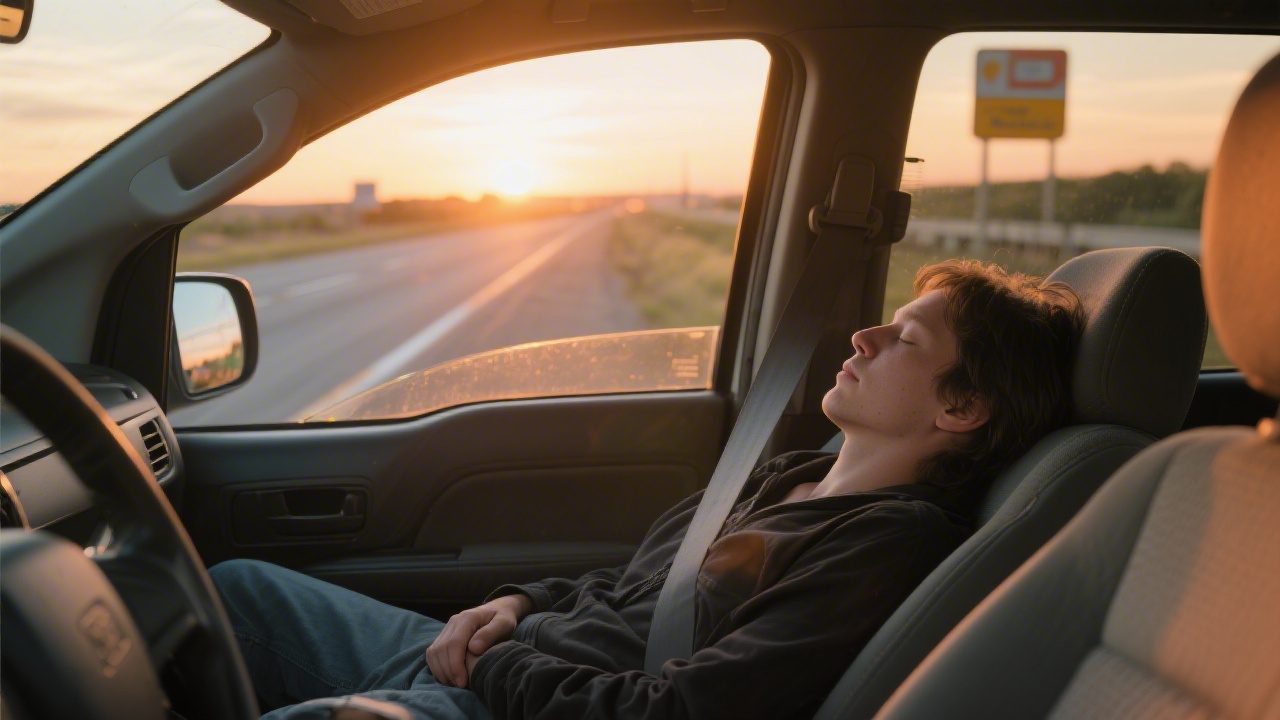
Car sleeping is a practical reality of road trips, van life experiments, overnight drives, and emergency situations. Done right, a few nights in your car is survivable and even comfortable. Done wrong, it results in back pain, poor rest, and in warm weather, dangerous heat exposure. Here's how to approach it correctly.
Safety First: Never Sleep in a Running Car
Carbon monoxide poisoning from a running engine is a serious risk even with windows cracked, especially in enclosed garages or poorly ventilated areas. If you need climate control, run the engine for 10 minutes to adjust temperature, then shut off completely. In cold weather, sleeping bags rated to the ambient temperature are safer than relying on engine heat.
Best Car Sleep Positions by Vehicle Type
Sedan/coupe: Recline the front passenger seat fully — this is usually the flattest position available. A travel pillow behind the neck, knees bent with feet resting on the dashboard edge (when parked), and a blanket for temperature management. Average full recline in sedans is 150–160 degrees, which is adequate for a few hours but not full spinal extension.
SUV/crossover: Fold down the rear seats to create a platform. In most 3-row SUVs and many crossovers, folded rear seats create a surface of 65–72 inches — adequate for most adults if you sleep diagonally. An inflatable car mattress pad (Hibuyer, Saygogo) fills the contours of the folded seat area for $30–60 and makes a meaningful difference. Add a sleeping pad underneath for insulation from the cold metal floor.
Pickup truck: The truck bed is the premium car sleeping option. With a tonneau cover or truck tent, you have a flat, full-length surface. An inflatable sleeping pad or roll mat is necessary — metal truck beds conduct cold aggressively. At 6ft bed length, most people can sleep fully extended.
Minivan: Remove or fold the middle row, inflate an air mattress in the back, and you have a functional sleeping platform that rivals a small hotel room for space.
Window Management: Privacy, Light, and Ventilation
Car windows are the primary challenge: too dark and you overheat; too open and you lose privacy or get cold. Window insulation shades (Reflectix cut to window size) provide blackout and thermal insulation without requiring full window cover. For front and side windows, suction-cup privacy shades allow ventilation with a cracked window while blocking light and visibility. In summer, crack all windows 1–2 inches on opposite sides to create cross-ventilation.
Where to Sleep in a Car Legally
- Rest stops: Legal in most US states for a limited duration (usually 8 hours). Check specific state regulations — California, for example, has complex rules that vary by rest area.
- Walmart parking lots: Many Walmart locations allow overnight parking — call ahead to confirm at the specific location.
- Campgrounds: Established campgrounds with vehicle camping sites provide legal, often very cheap overnight stays with access to bathrooms.
- Cracker Barrel: Historically accommodating to road trip overnight parking — call ahead.
- Avoid: Residential streets, shopping center lots (typically prohibited after closing hours), and interstate highway shoulders.
Short-Term vs. Long-Term Car Sleeping
1–3 nights in a car with proper setup causes minimal lasting harm. Beyond a week, the cumulative effects of compressed sleep duration, poor spinal support, temperature variation, and chronic vigilance (unfamiliar environment) create fatigue debt that doesn't resolve easily. If car sleeping is your current housing situation, prioritize a hostel, friend's couch, or any flat surface over 30 nights.
Internal Links
Frequently Asked Questions
Is it safe to sleep in a car with the windows up?
Yes, for a few hours — a car with windows up has enough air volume for several hours of breathing. However, if the engine is running, never sleep with windows fully closed — carbon monoxide can accumulate. In summer, even with the engine off, temperatures inside a closed car can reach dangerous levels within 30 minutes. Always crack at least one window.
How do you sleep in a car comfortably?
Choose the flattest sleeping surface in your vehicle — folded rear seats in an SUV, reclined front seat in a sedan. Use a pillow for neck support, a sleeping pad or inflatable car mattress for cushioning and insulation from the cold floor, and window shades for privacy and blackout. A sleeping bag rated to the ambient temperature is better than relying on engine heat.
What is the best car for sleeping in?
Minivans and larger SUVs with flat-fold seats provide the best car sleeping platforms. The Honda Element and Toyota 4Runner are frequently cited for their flat fold configurations. Pickup trucks with a 6ft bed and tonneau cover are excellent for people over 5'10". Sedans are adequate for a night or two with a fully reclined front seat.
Where can you legally sleep in a car?
Rest stops (most US states, check local regulations), Walmart parking lots (call ahead to confirm), established campgrounds, and some large retailer lots. Avoid residential streets, shopping center lots after hours, and highway shoulders. The Freecampsites.net database lists free overnight parking locations by state.
How many nights can you sleep in a car without health problems?
Most healthy adults can manage 3–5 nights in a properly set up car without significant lasting effects. Beyond a week, cumulative sleep quality degradation from poor support, temperature variation, and environmental vigilance creates fatigue that doesn't resolve quickly. Chronic car sleeping (30+ nights) has effects comparable to chronic sleep deprivation.
Voted best luxury innerspring mattress with exceptional lumbar support and white-glove delivery.
Check Price & Availability FAQPage", "mainEntity": [{"@type": "Question", "name": "Is it safe to sleep in a car with the windows up?", "acceptedAnswer": {"@type": "Answer", "text": "Yes, for a few hours \u2014 a car with windows up has enough air volume for several hours of breathing. However, if the engine is running, never sleep with windows fully closed \u2014 carbon monoxide can accumulate. In summer, even with the engine off, temperatures inside a closed car can reach dangerous levels within 30 minutes. Always crack at least one window."}}, {"@type": "Question", "name": "How do you sleep in a car comfortably?", "acceptedAnswer": {"@type": "Answer", "text": "Choose the flattest sleeping surface in your vehicle \u2014 folded rear seats in an SUV, reclined front seat in a sedan. Use a pillow for neck support, a sleeping pad or inflatable car mattress for cushioning and insulation from the cold floor, and window shades for privacy and blackout. A sleeping bag rated to the ambient temperature is better than relying on engine heat."}}, {"@type": "Question", "name": "What is the best car for sleeping in?", "acceptedAnswer": {"@type": "Answer", "text": "Minivans and larger SUVs with flat-fold seats provide the best car sleeping platforms. The Honda Element and Toyota 4Runner are frequently cited for their flat fold configurations. Pickup trucks with a 6ft bed and tonneau cover are excellent for people over 5'10\". Sedans are adequate for a night or two with a fully reclined front seat."}}, {"@type": "Question", "name": "Where can you legally sleep in a car?", "acceptedAnswer": {"@type": "Answer", "text": "Rest stops (most US states, check local regulations), Walmart parking lots (call ahead to confirm), established campgrounds, and some large retailer lots. Avoid residential streets, shopping center lots after hours, and highway shoulders. The Freecampsites.net database lists free overnight parking locations by state."}}, {"@type": "Question", "name": "How many nights can you sleep in a car without health problems?", "acceptedAnswer": {"@type": "Answer", "text": "Most healthy adults can manage 3\u20135 nights in a properly set up car without significant lasting effects. Beyond a week, cumulative sleep quality degradation from poor support, temperature variation, and environmental vigilance creates fatigue that doesn't resolve quickly. Chronic car sleeping (30+ nights) has effects comparable to chronic sleep deprivation."}}]}Upgrade your sleep when you get home
After nights on planes, couches, or hotel mattresses, your body deserves proper support. Saatva's mattresses are handcrafted with luxury coils and organic materials — starting at $1,395.