
 by
by If you have a child who needs better sleep: The Twin mattress is designed to support developing spines from toddler to teen, with a dual-firmness system that adjusts as kids grow. See details →
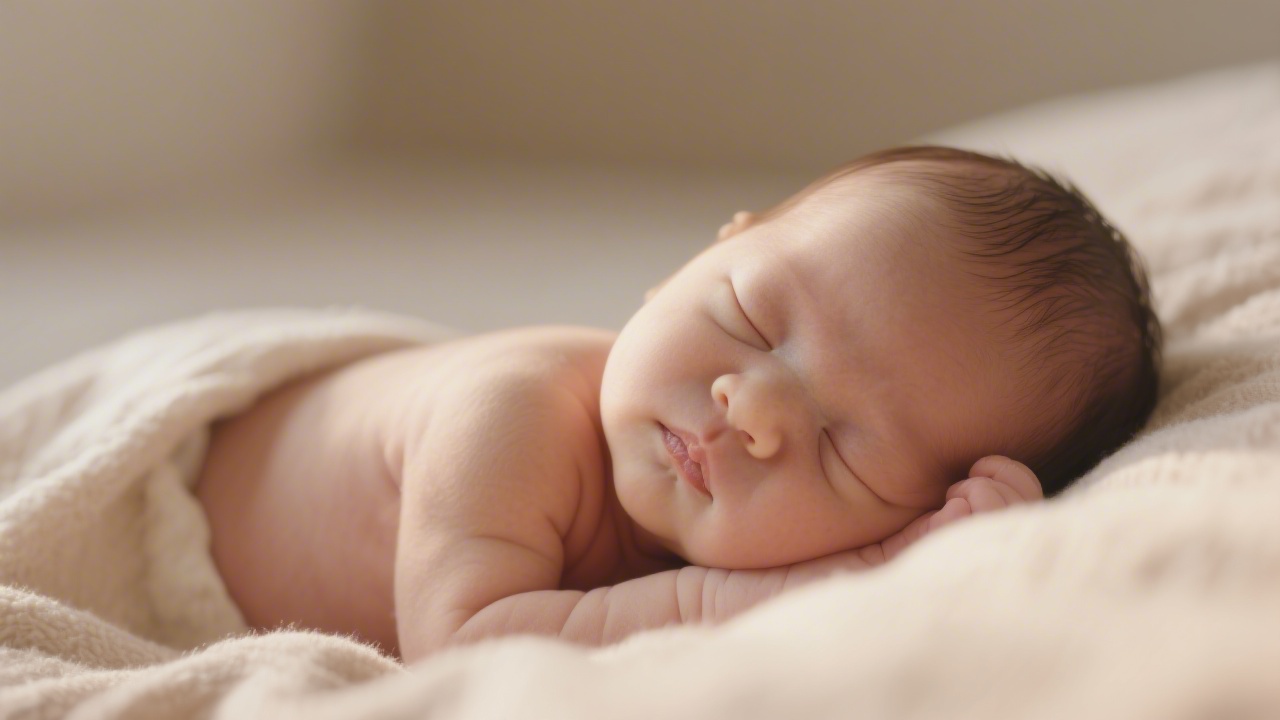
If someone tells you they "slept like a baby," they probably mean they slept deeply, peacefully, and without interruption. Here is the biological reality: actual babies sleep terribly by adult standards. They wake every 2-3 hours. They thrash, grunt, and cry. They spend half their sleep time in a state of active, brain-busy REM. And they do not enter the slow, restorative deep sleep that adults prize until much later in development.
The idiom is charming - and completely wrong. But understanding why it is wrong reveals something profound about sleep biology, neural development, and why certain stages of sleep matter more than others.
If you’re looking to invest in a quality mattress that can actually help, this is our pick:
The Actual Architecture of Infant Sleep
Adult sleep follows a 90-minute cycle alternating between NREM stages (light, deep, slow-wave) and REM sleep. Deep slow-wave sleep dominates the first half of the night; REM dominates the second half. Adults spend roughly 20-25% of total sleep time in REM.
Newborns have an entirely different architecture. Their cycles last only 50-60 minutes. They spend approximately 50% of total sleep time in "active sleep" (the infant equivalent of REM), characterized by rapid eye movements, facial twitches, irregular breathing, and occasional vocalizations. They do not achieve the same deep slow-wave sleep stages as adults for several months.
Why So Much REM?
The disproportionate REM time in infants is not a design flaw. It correlates directly with neural development. The first year of life sees more synaptic growth than any other period - the brain is quite literally wiring itself at high speed.
REM sleep appears to drive synaptic consolidation and neural pruning: strengthening connections the brain wants to keep, eliminating redundant ones. In adults, REM supports memory processing and emotional regulation. In infants, it may be running the equivalent of a full system installation.
Premature infants spend even more time in active sleep - up to 80% - consistent with the idea that the most intensive developmental phases require the most sleep-based processing.
Waking as a Feature, Not a Bug
Infant waking patterns frustrate parents universally. But frequent night waking likely serves protective functions. Research links easier arousal from sleep with reduced SIDS risk - infants who are less easily roused from deep sleep may have compromised protective reflexes. The frequent waking of healthy infants may reflect an immature but functional arousal system.
From an evolutionary perspective, our species evolved in environments where an infant sleeping motionless for 8 hours in complete isolation would have been at extreme risk. Frequent waking, crying, and parental response was the norm - not an aberration to be corrected. See also: safe sleep environment for infants.
When Does Normal Adult Sleep Begin?
Sleep consolidation - longer continuous stretches - begins around 3-6 months as the circadian rhythm (sleep-wake cycle) matures. By 6 months, about 60% of babies achieve a 6-hour continuous stretch. By 12 months, most are doing 9-12 hour nights with 1-2 naps.
But full adult sleep architecture - with the characteristic 90-minute cycle and distinct slow-wave deep sleep - does not fully mature until around age 5. Teenagers then experience a well-documented phase delay: their circadian clocks genuinely shift later, making early school start times biologically problematic.
What the Idiom Got Right (Sort of)
Despite the biological inaccuracy, the phrase "sleep like a baby" captures something real: the quality of infant sleep, not its continuity. Babies sleep without anxiety. They do not lie awake rehearsing tomorrow's presentations. They do not ruminate on past conversations. They have no cortisol-spiking worries keeping them out of sleep.
This points to perhaps the most important human sleep variable: psychological safety. In animals and humans alike, perceived safety dramatically affects sleep architecture. Wild prey animals sleep lightly in exposed locations; the same species sleeps more deeply in protected dens. The human equivalent - feeling safe, unstressed, and comfortable - is still the most powerful sleep aid available.
The Safe Sleep Lesson for Adults
What infants actually do well: they sleep in positions of full physical relaxation, on surfaces designed for their body type, in environments that meet their sensory needs. For adults, the parallel is a mattress that supports natural spinal alignment, a bedroom that is dark and cool, and a wind-down routine that signals safety to the nervous system.
Frequently Asked Questions
Frequently asked questions
What's the right firmness for a child's mattress?
Firm for toddlers, medium-firm for ages 5+. Kids are lighter than adults — a mattress that feels medium-firm to an adult feels soft to a 50 lb kid. Go firmer than you would for yourself. Infants/toddlers: always firm (AAP recommendation) to reduce SIDS risk.
How long does a kids' mattress last?
6–8 years for quality kids' mattresses. Most kids need a mattress upgrade around age 10–12 as they outgrow the twin size and their weight moves into adult range.
Do kids need an organic or non-toxic mattress?
Indirectly yes — kids breathe faster and weigh less, which makes VOC exposure relatively larger per body weight. CertiPUR-US certification is the minimum baseline; GOTS/GOLS organic is better. The Twin uses hypoallergenic fabric and eco-INSTITUT-certified foam.
What mattress size for kids?
Toddlers: crib mattress until age 3, then toddler bed. Ages 4–9: twin (38"×75"). Ages 10+: twin XL (38"×80") or full (54"×75") if they want room. Queen is overkill until teenage years.
Do babies actually sleep well?
By adult standards, no. Newborns wake every 2-3 hours, spend 50% of sleep in REM, and do not consolidate sleep into long blocks until 3-6 months. The idiom describes effortless rest - which is the opposite of actual infant sleep.
Why do babies spend so much time in REM sleep?
Infant brains are developing at their fastest rate. REM sleep is associated with synaptic wiring and neural development. Babies may need high REM to support the extraordinary neural growth happening in the first 12 months.
When do babies start sleeping through the night?
Most babies begin consolidating sleep around 3-6 months. By 6 months, about 60% sleep 6+ consecutive hours. Full adult-pattern sleep cycles typically emerge around age 5.
Is it normal for a baby to sleep in short bursts?
Completely normal. Newborn cycles last 50-60 minutes and are dominated by active sleep. Frequent waking may also be protective - easier arousal is linked to reduced SIDS risk.
What does "sleep like a baby" actually mean?
The idiom conveys deep, untroubled sleep. The irony is that real infant sleep is fragmented and active. The phrase likely refers to carefree quality - no anxieties - rather than actual sleep architecture.
Built for Growing Bodies
The Twin mattress supports spinal development across two firmness zones - designed to grow with your child from toddler through teen years.
Explore a Twin →
Key Takeaways
"Sleep Like a Baby" - The Science Behind the Idiom is a topic that depends heavily on individual needs and preferences. The most important thing is to consider your specific situation - your body type, sleep position, and personal comfort preferences - before making any decisions. When in doubt, take advantage of trial periods to test before committing.