
 by
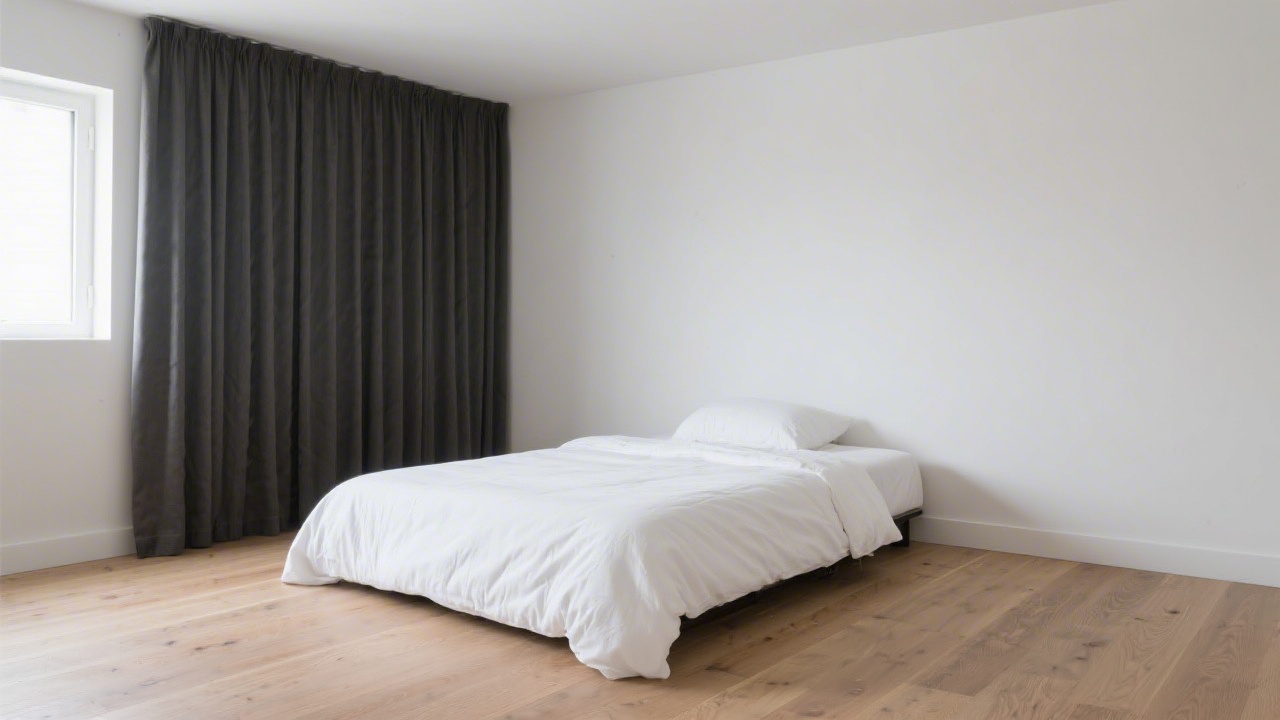
by The counterintuitive finding of sleep environment research is that more is not better. A bedroom optimized for sleep contains remarkably few things—and the things it contains are quality-first rather than quantity-first. The minimalist sleep setup consistently outperforms the cluttered premium setup on objective sleep quality measures, because the mechanisms that produce quality sleep respond to simplicity, not abundance.
Ready to upgrade your sleep foundation?
View Saatva Mattresses →The Environmental Psychology of Sleep and Clutter
Visual clutter in the bedroom activates several mechanisms that directly impair sleep onset and quality:
- Cortisol elevation: Research by Saxbe & Repetti (2010) found that women who described their homes as cluttered or needing work had higher cortisol profiles throughout the day than women who described their homes as restful. The effect was specific to home environments.
- Unfinished tasks signal: Unfinished task cues in the visual environment activate a cognitive loop the brain continues to process. Zeigarnik effect research shows that incomplete tasks generate intrusive thoughts—the mental equivalent of an unresolved notification.
- Vigilance response: A complex visual environment keeps the brain in a low-level scanning mode inconsistent with the parasympathetic state required for sleep onset.
Stimulus Control: The Behavioral Science Basis
Stimulus control therapy—a cornerstone of CBT-I (the gold standard evidence-based insomnia treatment)—rests on one principle: the bedroom should be associated exclusively with sleep (and sex). Every non-sleep activity conducted in the bedroom weakens this association and trains the brain to remain alert in the space where it should be automatically downregulating.
The minimalist approach implements stimulus control physically: by removing the television, work equipment, phone charger by the bedside, and decorative complexity, you reduce the number of competing associations the room activates. This is not an aesthetic preference—it is a behavioral architecture decision.
The Essential Four: What to Keep
1. One Quality Mattress
The mattress is the single non-negotiable investment in the minimalist setup. It should be selected for sleep position, body weight, and temperature regulation—not for the number of features it advertises. A mattress with a clear purpose (support, pressure relief, motion isolation) outperforms a mattress with ten marketing claims. The firmness decision guide provides a systematic framework for identifying your actual requirements.
2. One Appropriate Pillow Per Person
Pillow selection should be based on sleep position and shoulder width—not on number. Side sleepers need a higher loft to fill the gap between shoulder and neck. Back sleepers need a medium loft. Stomach sleepers need the flattest option or none at all. Decorative pillows that require removal each night introduce a friction that disrupts sleep ritual consistency.
3. Quality Bedding
Percale cotton (200–300 thread count) or natural fiber bedding (linen, bamboo) outperforms high-thread-count sateen for most sleepers on the temperature management metric. Percale breathes; sateen traps heat. One duvet appropriate for the season—rather than layers of blankets—reduces the nighttime thermal management that causes arousals. The cooling duvet guide covers the fiber characteristics that matter for temperature regulation.
4. Blackout Curtains
Light is the primary zeitgeber (circadian time signal). Morning light intrusion between 4am and 6am can trigger cortisol release and terminate the final REM cycle up to 2 hours early. Blackout curtains protect the sleep window's end—one of the most commonly neglected sleep quality variables. They also signal the brain at bedtime that it is time to produce melatonin.
What to Remove: The Bedroom Audit
- Television: Associates the bedroom with passive stimulation. The presence alone increases screen time before sleep regardless of stated intentions.
- Work materials: Laptops, documents, and work equipment activate the cognitive patterns associated with work—the opposite of what precedes sleep.
- Exercise equipment: Associates the space with physical arousal and effort.
- Excess decorative pillows: Create a nightly removal and replacement ritual that adds friction and reduces the ease of getting into bed.
- Phone on the nightstand: The availability of the phone maintains a low-level vigilance state ("something might come in") that inhibits full parasympathetic relaxation. Charge in another room or use a dedicated alarm clock.
- Clutter in general: Anything that belongs to another room should be in another room. The bedroom is for sleep, full stop.
Quality Over Quantity: The Minimalist Investment Principle
Minimalism in a sleep context does not mean cheap. It means investing in fewer, better things. A quality mattress purchased once and maintained properly is the minimalist approach—superior to layering a mediocre mattress with a topper, pad, and protector in an attempt to compensate for inadequate support. The mattress buying checklist provides the evaluation criteria for a single-purchase decision.
The same principle applies to pillows: one correctly specified pillow per person, replaced at the right interval, outperforms five decorative pillows and a "sleep stack" that took thirty minutes to assemble from a YouTube video.
Minimalism as Habit Architecture
Behavioral science shows that habit execution improves when the number of steps and decisions required is reduced. A minimalist sleep setup removes the micro-decisions that stand between you and sleep: which pillow, what to watch, whether to check the phone, where to put things. The sleep habit research summary covers the decision-reduction principles that apply across sleep contexts.
The goal is a bedroom so oriented toward sleep that entering it automatically begins the cognitive wind-down process. That is the functional outcome of sleep minimalism—not an aesthetic, but a behavioral architecture built from subtraction.
Ready to upgrade your sleep foundation?
View Saatva Mattresses →One mattress, done right. The Saatva Classic's individually wrapped coils and luxury Euro pillow top eliminate the need for toppers and pads—the minimalist single-purchase approach to sleep surface quality.
Frequently Asked Questions
What is sleep minimalism?
Sleep minimalism is deliberately removing non-essential items from the sleep environment to reduce cognitive stimulation and visual noise—leaving only what directly contributes to sleep quality.
Does a minimalist bedroom actually improve sleep?
Yes. Clutter increases cortisol, activates vigilance responses, and reduces the psychological safety that precedes sleep onset. Environmental simplicity supports the parasympathetic state required for sleep.
What should you keep in a minimalist sleep setup?
The essential four: one quality mattress, one appropriate pillow per person, quality natural-fiber bedding, and blackout curtains.
What should you remove from the bedroom for better sleep?
Television, work materials, exercise equipment, excess decorative pillows, and phones are the primary targets—each introducing cognitive associations that compete with sleep.
Does an expensive mattress count as minimalist?
Yes—investing in one high-quality mattress rather than layering toppers and accessories is the minimalist approach: fewer, better things.
Our Top Mattress Pick
The Saatva Classic consistently ranks #1 for comfort, support, and long-term durability.
View Saatva Classic Pricing & DetailsKey Takeaways
Sleep Minimalism is a topic that depends heavily on individual needs and preferences. The most important thing is to consider your specific situation — your body type, sleep position, and personal comfort preferences — before making any decisions. When in doubt, take advantage of trial periods to test before committing.