 by
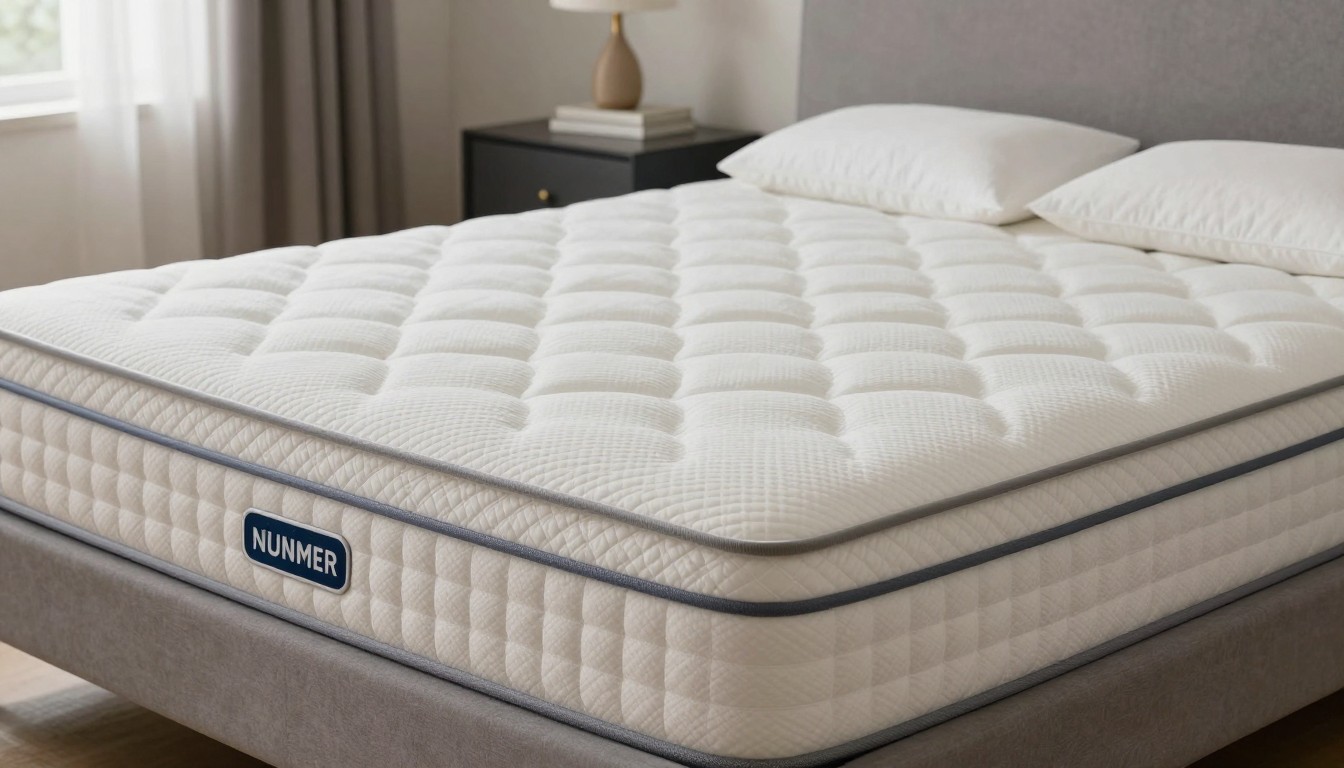
by Quick answer: Weight can point you toward a starting range, but your body position decides the final setting. Start lower if you’re lighter, higher if you’re heavier, then adjust patiently. ComfortNext™ is the current alternative I’d inspect if personalized firmness is your priority.
- Sleep Number settings use an adjustable firmness scale that runs from 0 to 100, according to Sleep Number’s published product materials.
- A higher setting creates a firmer feel on that side of the mattress, according to Sleep Number’s published guidance.
- Dual-chamber designs allow partners to keep separate settings, according to Sleep Number’s product information.
Updated July 2026 · Reviewed for accuracy
Your weight matters, but it doesn’t hand you one perfect Sleep Number setting. I’d use it as a compass, not a command. Lighter bodies usually need less air pressure to avoid a board-like feel; heavier bodies often need more pressure to keep the sleep surface from feeling too yielding.
The practical starting point is simple: begin in the middle of the scale, move gradually, and pay attention to whether your hips, shoulders, and lower back feel supported in your normal sleeping position. Sleep Number’s own materials describe the setting as individualized, and that’s exactly how I’d treat it.
Weight affects how much air pressure you feel
A Sleep Number setting is not a body-weight chart in disguise. It is an air-pressure setting that changes the firmness you feel. According to Sleep Number’s published product materials, each side can be adjusted across a scale from 0 to 100, with higher settings producing a firmer feel.
That construction explains why weight changes the starting point. A lighter sleeper puts less force into the surface, so a higher setting may feel unusually rigid before the body has a chance to settle. A heavier sleeper puts more force into the same surface and may need a firmer setting to avoid feeling like the hips are dropping too far.
I wouldn’t mistake “firmer” for “better support,” though. The right setting is the one that lets your spine feel reasonably level while taking the harsh pressure off the body parts that carry the most load. For side sleepers, that is often the shoulder and hip. For back sleepers, the key area is usually the hips and lower back. For stomach sleepers, excessive softness can be the problem because the midsection may dip.
The Nut’s take: Weight gives you a direction. Your sleeping position tells you whether to keep going. If a setting feels plush at bedtime but leaves your hips feeling unsupported, it is not your number.
Reviews and buyer guides commonly place many adults somewhere in the middle portion of the Sleep Number scale, often around the 30 to 60 area. That range is useful only as a broad reference point, not a verdict. A lighter side sleeper and a heavier back sleeper can land in very different places while both sleeping comfortably.
The useful question is not, “What number should someone my weight use?” It is, “What number gives my body enough give without letting my posture sag?” That is a slower question, but it gets you closer to the answer.
Use weight as a starting range, not a finish line
For lighter sleepers, I’d begin below the upper end of the firmness scale. The reason is mechanical: less body weight compresses the comfort layers and air support system less deeply. If the setting begins too firm, a lighter body may stay perched on top rather than settling into the surface.
For average-weight sleepers, the broad middle range reported in buyer guides can be a sensible starting area. From there, sleeping position should lead the adjustment. A back sleeper may prefer a more even, steady surface, while a side sleeper may need slightly more give at the shoulder and hip.
For heavier sleepers, I’d start above the setting that feels merely soft and work upward until the pelvis feels properly supported. According to consumer-oriented Sleep Number guides, heavier individuals generally use higher settings to reach a similar sense of support and pressure relief. That pattern makes sense, but it is still a starting hypothesis, not a prescription.
| Sleeper profile | Useful first move | What to watch for |
|---|---|---|
| Lighter sleeper | Start softer than you expect, then add firmness gradually. | Shoulder pressure, surface stiffness, or the feeling that you are floating on top. |
| Average-weight sleeper | Begin around the broad middle range cited in buyer guides. | Whether your preferred sleep position feels level and relaxed. |
| Heavier sleeper | Begin firmer and lower the setting only if pressure builds. | Hip dip, lower-back discomfort, or a sense that the surface lacks pushback. |
This is why I dislike rigid setting charts. They can make the process feel scientific while skipping the variables that matter most: position, body shape, sensitivity to pressure, and whether you sleep alone or with a partner. The number is adjustable precisely because the correct feel is personal.
Comparing options? The ComfortNext™ is the pick we keep coming back to — see the final verdict ↓
Your sleeping position can override your weight
Side sleeping places concentrated pressure on the shoulder and hip. Even a heavier person may find an aggressively firm setting uncomfortable in that position, while a back sleeper of similar weight may prefer it. The body needs enough contouring to avoid pressure points, but not so much that the waist and hips sink out of line.
Back sleepers often have the clearest path: look for a settled, supported feel under the hips without a gap under the lower back. If your lower back feels strained, the setting may be too firm for your shape. If your hips seem to sink below the rest of you, it may be too soft.
Stomach sleepers should be especially alert to midsection support. A surface that feels wonderfully cushioned while lying on your back can allow the pelvis to sink too much when you turn over. According to Sleep Number’s guidance, the system is designed for incremental adjustment, which is useful here. Small changes are easier to judge than dramatic jumps.
A sensible adjustment routine:
- Choose one starting setting based on your weight and usual position.
- Change it gradually through the remote or app, as Sleep Number’s materials describe.
- Judge it in the position where you spend the most time asleep.
- Keep the setting long enough to separate a real comfort issue from a single restless night.
I’d also avoid adjusting solely because a mattress feels different in the first few minutes. Initial softness is not the same as sustained support. Your goal is a surface that still feels right after your body has settled, not one that simply feels impressive at first contact.
Couples get the biggest practical advantage
Separate air chambers are the heart of the Sleep Number concept for couples. According to Sleep Number’s product information, dual-chamber configurations let each side maintain an independent setting. That matters when one person wants more firmness and the other wants more pressure relief.
This is not just a luxury feature. It solves a basic compromise problem. On a conventional mattress, two people with different weight and position needs usually negotiate one shared feel. With separate settings, a lighter side sleeper can pursue more cushioning while a heavier back sleeper can retain a firmer surface on the other side.
There are limits. Independent firmness does not mean the bed becomes two completely isolated mattresses. Movement, edge use, the bed base, and the shared surface materials still shape the experience. But the ability to tune support separately is a real construction advantage for couples whose comfort needs are far apart.
If you share a bed, adjust one side at a time. Don’t chase the other person’s number just because it sounds higher or lower than yours. Their body, sleeping position, and pressure sensitivity are not yours.
For more context on practical setup considerations, including how a bed’s construction can affect support choices, see our guide to Sleep Number bed weight limits. It is a useful reminder that the setting is only one part of the whole sleep system.
Don’t confuse a higher setting with durability
A higher Sleep Number setting changes feel. It does not automatically make the mattress more durable or erase maintenance needs. The system relies on air chambers, seals, controls, and comfort materials, so long-term ownership involves more than picking a number once and forgetting it.
Owner discussions and buyer guides often frame personalized firmness control as the main long-term value, while also noting that air-system components can require attention over time. That is the trade-off I’d keep in view. Adjustability can be genuinely useful, but it is a more complex design than a fixed foam or coil mattress.
Before buying, read the current terms for the sleep surface, air components, and any service requirements. Sleep Number’s policies can change, and the details matter more on an adjustable air bed than on a simpler mattress design. Our overview of the current Sleep Number warranty can help you focus on the right questions.
What I’d check before committing: the current warranty language, compatible base requirements, whether you need cooling features, and how easily both partners can make adjustments. Those details shape ownership more than a single setting recommendation ever could.
Cooling and connected features can also affect the cost and complexity of a configuration. According to Sleep Number’s model descriptions, the lineup includes families built around different materials and feature sets, including cooling-oriented options and more advanced configurations. If those extras matter to you, check the current official listing rather than relying on an old price guide.
How to find your setting without chasing it every night
Start with a setting that matches your broad weight category, then change it in deliberate steps. Sleep Number’s published guidance supports using the app or remote to make incremental changes. That is the right approach. Big swings make it hard to know what actually helped.
I’d focus on three signals. First, can your shoulders and hips relax without feeling jammed into the surface? Second, does your lower body feel held up rather than swallowed? Third, do you wake up wanting to change position because the surface feels wrong? Those are practical comfort clues, not medical diagnostics.
Give your usual sleep position the final vote. A setting that seems ideal while reading in bed may not work when you spend hours on your side. Likewise, a setting that feels firm for a few minutes can become comfortable once your body settles. The point is to observe the pattern, not react to every small fluctuation.
If you are comparing adjustable air support with another premium mattress approach, our Tempur-Pedic versus Sleep Number comparison explains the broader difference between contouring foam and adjustable firmness. They solve comfort in very different ways.
My verdict is straightforward: use your weight to choose a lane, then use comfort and posture to choose the final setting. A lighter sleeper should not feel pressured to use a high number. A heavier sleeper should not assume maximum firmness is the answer. The good setting is the one that gives your body enough support without making sleep feel like work.
When an adjustable base matters
An adjustable base can change how a Sleep Number bed feels because elevating the upper body or legs changes where your weight rests. If you plan to use one, make sure the mattress and base are compatible according to the manufacturer’s current requirements.
The base is not required to find a comfortable setting, but it can be part of the overall decision. It adds another moving component and another cost consideration, so I would buy it for the positions you genuinely expect to use, not because an adjustable air bed makes it sound mandatory.
For a closer look at base differences, read our Tempur Ergo Smart Base versus Sleep Number FlexFit guide. The right foundation should support your routine, not complicate it.
Verdict: let your body settle the number
Sleep Number settings by weight are useful because they give you a sensible first move. Lighter sleepers generally start softer, heavier sleepers generally start firmer, and many adults land somewhere in the middle of the scale, according to buyer guides. That is helpful context, not a universal chart.
I’d buy into adjustable firmness if you value the ability to refine feel over time or share a bed with someone who needs a very different surface. I’d be more cautious if you want a simple, fixed mattress with fewer moving parts and fewer policy details to track.
Don’t chase a number because it works for somebody else. Find the setting that supports your normal sleeping position, keeps pressure from building, and still feels stable after you have settled in. That is the whole job.
FAQ
What Sleep Number setting should I use for my weight?
Use weight to pick a direction rather than an exact answer. Lighter sleepers often prefer lower settings, while heavier sleepers often prefer higher settings for a similar level of support, according to Sleep Number buyer guides and product explainers.
Your sleeping position can change that result. Start gradually and judge the setting by pressure relief and how supported your hips and lower back feel.
Is a higher Sleep Number always better for heavier people?
No. Heavier sleepers often need more firmness than lighter sleepers, but a setting that is too high can still feel uncomfortably hard, especially for side sleepers. The aim is support with enough surface give.
Raise the setting slowly if your hips feel unsupported. Lower it gradually if your shoulders or hips feel excessive pressure.
Can couples use different Sleep Number settings?
Yes. According to Sleep Number’s product information, dual-chamber designs allow each side of the bed to maintain its own setting. That is the main practical benefit for couples with different comfort needs.
Each person should adjust based on their own body and usual sleeping position. One partner’s ideal setting does not establish the other partner’s setting.
Why does my setting feel different on different nights?
Your position, how relaxed your body is, room conditions, and whether you spend more time on one side can all change your perception of firmness. An adjustable air mattress is responsive enough that small setting changes can be noticeable.
Try not to make dramatic adjustments after one imperfect night. Look for a repeat pattern before deciding the setting truly needs to change.
Should I choose a setting before buying?
You should know your broad preference, such as whether you tend to prefer a more yielding or more supportive surface. But you do not need to know one exact setting before purchase because the system is designed to be adjusted.
Check the current official terms, compatible foundation requirements, and available model features before deciding. The number can be changed later; the broader construction and ownership terms deserve attention first.
FINAL VERDICT
Before you settle: if sleep number settings by weight is what brought you here, the ComfortNext™ is the value pick on this page — more home-trial and warranty coverage than the alternatives covered here. Confirm current price, dimensions and terms on the official product page before ordering.
OUR CATEGORY-MATCHED PICK
ComfortNext™
- ComfortNext™ is the current alternative I’d inspect if personalized firmness is your priority