
 by
by Saatva Classic -- Designed to support multiple sleep positions with its dual-sided firmness option.
The idea that how you sleep reveals who you are has proven remarkably persistent in popular media. Before we get into what the research actually says, here is the short version: there are weak, inconsistent correlations between sleep position and certain personality traits in some studies. They are interesting. They are not predictive, and they are certainly not the whole story.
What the research is clearer about is the health implications of different sleep positions -- and those have real practical significance.
The Sleep Positions and Personality Research: What It Actually Shows
The most widely cited study was conducted by sleep researcher Chris Idzikowski in the UK. He surveyed 1,000 people about their sleep positions and administered personality questionnaires (2003). The study's limitations are worth noting: self-reported sleep position (most people move throughout the night), and the findings were not peer-reviewed in the traditional sense.
More rigorous research has found some associations but notes they are modest and confounded by many variables. The summary from serious sleep researchers is consistent: sleep position-personality correlations are plausible and mildly interesting but nowhere near reliable enough to draw conclusions about an individual.
The Common Positions and Their Associations
Fetal Position (Side with knees drawn up)
The most common position, used by approximately 41% of adults. Associated with sensitivity, introversion, and a hard exterior masking a warmer inner nature. Health note: Generally good. Tight fetal position can compress the diaphragm slightly. A pillow between the knees reduces hip and lower back strain considerably.
Log Position (Side with arms at the body)
About 15% of people. Associated with being social, easygoing, and trusting. Health note: Excellent position for spinal alignment if the pillow height matches the shoulder width. Left-side sleeping has evidence for reducing acid reflux.
Yearner Position (Side with arms extended forward)
About 13% of people. Associated with an open, somewhat suspicious nature. Health note: Extended arms can put pressure on the shoulder if the mattress surface is too firm.
Soldier Position (Back with arms at sides)
About 8% of people. Associated with being reserved and holding high standards. Health note: Back sleeping is excellent for spinal alignment. Main downside: it worsens snoring and can aggravate sleep apnea.
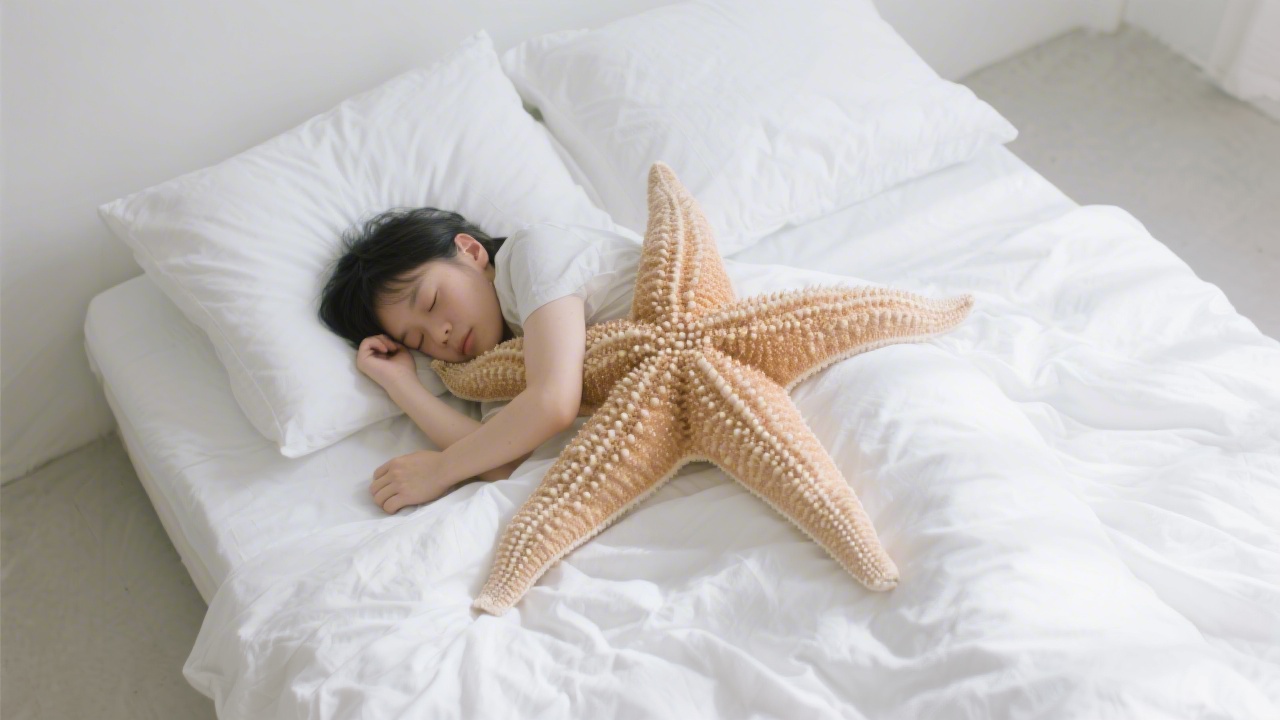
Starfish Position (Back with arms up)
About 5% of people. Associated with being a great listener and friend. Health note: The arm position can cause shoulder pressure and nerve issues.
Freefall/Stomach Position (Face down)
About 7% of people. Associated with being bold, sociable, and thin-skinned about criticism. Health note: The most problematic position for spinal health. Forces the neck into rotation for extended periods and strains the lower back. If you are a persistent stomach sleeper with back or neck pain, changing positions is worth the effort.
Health Outcomes by Sleep Position: The Evidence That Actually Matters
Snoring and Sleep Apnea
Back sleeping worsens both conditions significantly. The relationship is causal and well-documented. If snoring is an issue, side sleeping is the most impactful single change you can make. Read our full analysis in snoring causes and solutions.
Acid Reflux (GERD)
Left-side sleeping has strong evidence behind it for reducing nighttime reflux. The stomach's anatomy means left-side sleeping keeps the gastroesophageal junction above the stomach contents, reducing backflow.
Back and Neck Pain
Stomach sleeping is clearly associated with increased back and neck pain. Side and back sleeping, with appropriate mattress support and pillow height, are much better. Our best mattress for bad back guide and cervical support guide cover the mattress and pillow combinations that work best per position.
Shoulder Pain
Side sleepers put consistent pressure on the down-side shoulder. A mattress with good pressure relief in the shoulder zone -- typically a softer comfort layer over a supportive core -- makes a significant difference.
Saatva Classic -- Dual-sided firmness supports back and side sleepers, with innerspring responsiveness for easy repositioning.
Voted best luxury innerspring mattress with exceptional lumbar support and white-glove delivery.
Check Price & Availability FAQPage", "mainEntity": [{"@type": "Question", "name": "Is there scientific proof that sleep position reflects personality?", "acceptedAnswer": {"@type": "Answer", "text": "Weak correlational studies show some associations, but the effect sizes are small and results have not been consistently replicated. The most honest answer is that the associations are interesting and plausible but far from established science."}}, {"@type": "Question", "name": "What is the healthiest sleep position?", "acceptedAnswer": {"@type": "Answer", "text": "For most people, side sleeping -- particularly left-side sleeping -- has the best overall health profile. It reduces snoring, benefits acid reflux, is safest during pregnancy, and maintains good spinal alignment with a proper pillow."}}, {"@type": "Question", "name": "What does sleeping in the fetal position mean?", "acceptedAnswer": {"@type": "Answer", "text": "The fetal position (on the side with knees drawn up) is the most common sleep position among adults. Personality research suggests associations with sensitivity and warmth. Health-wise, it is generally good but very tight fetal positions can cause hip and back discomfort."}}, {"@type": "Question", "name": "Does sleep position affect back pain?", "acceptedAnswer": {"@type": "Answer", "text": "Yes, significantly. Stomach sleeping forces the neck into rotation and flattens the lumbar spine's natural curve. Back sleepers with lower back pain often benefit from a pillow under the knees. Side sleepers need a pillow between the knees to maintain hip alignment."}}, {"@type": "Question", "name": "Can you change your sleep position on purpose?", "acceptedAnswer": {"@type": "Answer", "text": "It is possible but takes weeks of intentional effort. Body pillows help side sleepers maintain position. Wedge pillows prevent rolling to the back. The challenge is that people change position 20 to 40 times per night in normal sleep."}}]}Frequently Asked Questions About Sleep Position
- Is there scientific proof that sleep position reflects personality?
- Weak correlational studies show some associations, but the effect sizes are small and results have not been consistently replicated. The most honest answer is that the associations are interesting and plausible but far from established science.
- What is the healthiest sleep position?
- For most people, side sleeping -- particularly left-side sleeping -- has the best overall health profile. It reduces snoring, benefits acid reflux, is safest during pregnancy, and maintains good spinal alignment with a proper pillow.
- What does sleeping in the fetal position mean?
- The fetal position (on the side with knees drawn up) is the most common sleep position among adults. Personality research suggests associations with sensitivity and warmth. Health-wise, it is generally good but very tight fetal positions can cause hip and back discomfort.
- Does sleep position affect back pain?
- Yes, significantly. Stomach sleeping forces the neck into rotation and flattens the lumbar spine's natural curve. Back sleepers with lower back pain often benefit from a pillow under the knees. Side sleepers need a pillow between the knees to maintain hip alignment.
- Can you change your sleep position on purpose?
- It is possible but takes weeks of intentional effort. Body pillows help side sleepers maintain position. Wedge pillows prevent rolling to the back. The challenge is that people change position 20 to 40 times per night in normal sleep.