
 by
by Our top pick for better sleep
The Saatva Classic combines individually wrapped coils with a Euro pillow top — engineered for spinal support, temperature neutrality, and motion isolation. Built to support every stage of sleep improvement.
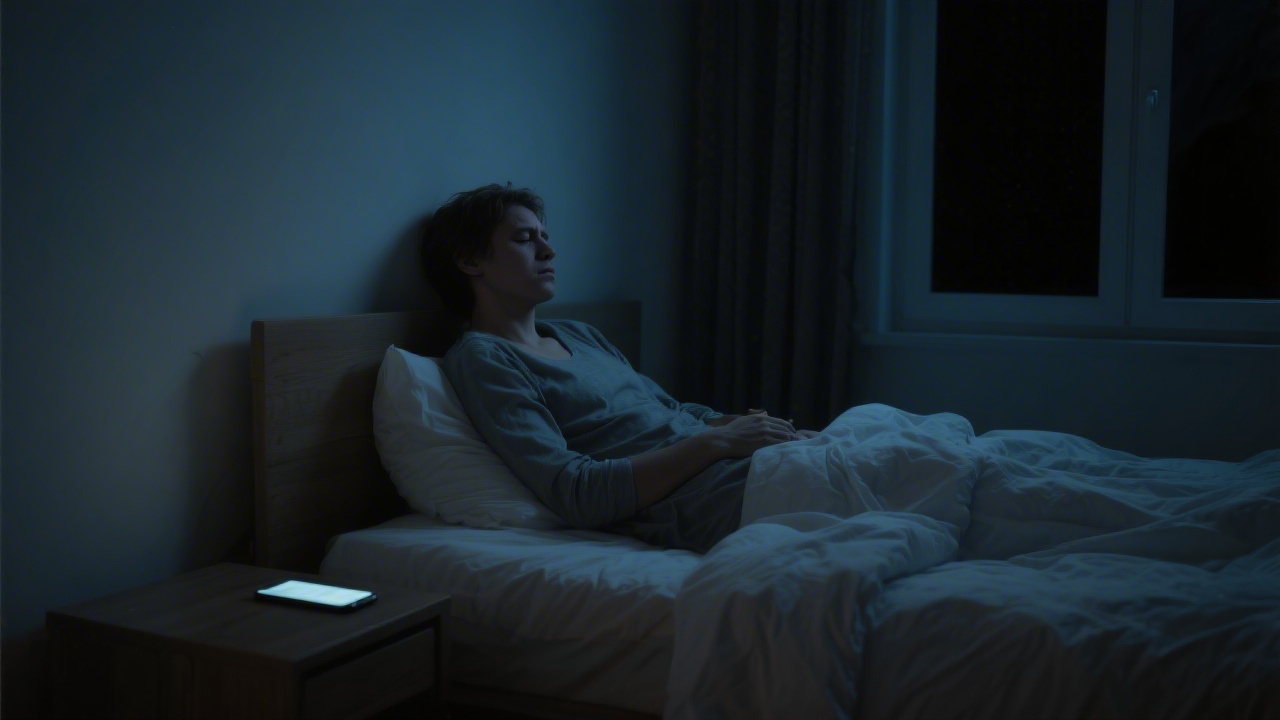
You have made it to 11pm having eaten well, exercised, and managed your stress reasonably. Then you pick up your phone to check the time and spend the next 47 minutes on social media. This is not a character flaw. It is ego depletion — and it has a direct, documented relationship with sleep quality.
What Is Ego Depletion?
Roy Baumeister's ego depletion model proposes that self-control draws on a limited cognitive resource. As the day progresses and decisions accumulate, that resource depletes. By late evening, inhibitory control — your ability to resist immediate impulses in favor of long-term goals — is at its lowest point. The impulse to watch one more episode or reach for your phone is not stronger at 11pm than at 7am; your resistance to it is simply weaker.
The Depletion-Sleep Feedback Loop
Ego depletion is both a cause and consequence of poor sleep. When you sleep poorly, prefrontal cortex function is impaired the following day, reducing self-regulatory capacity from the start. Decision fatigue sets in earlier. By evening, willpower is even more depleted than on a normal day, making sleep-disrupting behaviors more likely — which then produces another night of poor sleep. This is the depletion-sleep cycle, and breaking it requires targeting both ends simultaneously.
The Research Picture
A 2018 study in Organizational Behavior and Human Decision Processes found that daily ego depletion significantly predicted late bedtimes and phone use in bed. A 2021 study in Journal of Sleep Research found that self-reported decision fatigue was a stronger predictor of delay of sleep onset (bedtime procrastination) than trait self-control. The mechanism matters: it is not that people with poor sleep habits have low willpower — it is that willpower is structurally unavailable at the exact time sleep decisions are made.
Why Willpower Is the Wrong Tool for Sleep
Sleep improvement programs that rely on motivation and willpower are working against the biology of when sleep decisions occur. Any system that requires active self-control at 11pm is a system designed to fail. The correct solution is to move decision-making to earlier in the day, when cognitive resources are higher, and to use environment design to make the good sleep behavior the path of least resistance at night.
Decision-Fatigue Reduction Strategies
Four approaches directly reduce the depletion load leading into bedtime:
- Front-load decisions: Plan tomorrow's schedule, meals, and key decisions in the morning or early afternoon, not at 9pm.
- Automate the wind-down decision: Use if-then planning to pre-commit to specific behaviors at specific times, eliminating the in-the-moment decision.
- Reduce decision-triggering stimuli: A phone face-down in another room eliminates the decision about whether to check it. You cannot decide not to check something that is not available.
- Strategic glucose management: The brain's self-control function is metabolically expensive. A light, low-glycemic evening snack (if hungry) can partially buffer late-night depletion, while avoiding heavy eating that delays sleep onset.
The Environment Design Solution
Because willpower is unreliable at night, environment design is the only robust solution to ego depletion's impact on sleep. Removing the phone from the bedroom, having a physical book on the nightstand, setting a smart-light schedule that dims automatically at 9pm — these moves make the good behavior require less willpower than the bad behavior. The system does the work instead of your depleted self.
Sleep Architecture and Willpower Recovery
Research from the Walker lab and others confirms that a full night of consolidated sleep — particularly slow-wave sleep in the first half of the night and REM in the second — restores prefrontal function and replenishes self-regulatory capacity. Sleep quality directly predicts next-day willpower. This means the mattress itself is not a peripheral variable: a sleep surface that prevents full slow-wave consolidation through heat, pressure points, or motion transfer is reducing your next-day capacity for every decision you make.
Related reading
Frequently Asked Questions
- What is ego depletion?
- Ego depletion is the theory that self-control draws on a limited cognitive resource that depletes with use throughout the day. As this resource depletes, inhibitory control weakens, making impulsive behaviors more likely. The theory was developed by Baumeister and colleagues and has been extensively studied, though its exact neurobiological mechanism remains an active research area.
- How does decision fatigue affect sleep?
- Decision fatigue compounds throughout the day and peaks in the evening, which is exactly when sleep-related decisions occur. Research shows that people with high daytime decision loads are significantly more likely to engage in bedtime procrastination, late-night phone use, and sleep-disrupting eating behaviors.
- Does poor sleep cause willpower depletion the next day?
- Yes — this is the core of the depletion-sleep cycle. Sleep deprivation impairs prefrontal cortex function, which mediates inhibitory control and executive function. Even one night of poor sleep measurably reduces next-day self-regulatory capacity, increasing the likelihood of ego depletion the following evening.
- What is the best solution for willpower depletion at bedtime?
- Environment design is the most reliable solution. By removing sleep-disrupting stimuli from the bedroom environment and automating sleep-promoting behaviors, you reduce the need for willpower at bedtime. If-then planning handles the behavioral side by pre-committing responses before depletion occurs.
- Can willpower be restored before bedtime?
- Research on willpower restoration is mixed. Short rest breaks earlier in the day can partially restore self-control resources. Positive affect (doing something enjoyable) can partially replenish regulatory capacity. However, neither is as reliable as structural solutions that remove the need for willpower at the critical bedtime window.
Ready to give your sleep habits the foundation they deserve?
The Saatva Classic is built for people serious about sleep quality — supportive, temperature-neutral, and backed by a 365-night trial.