
 by
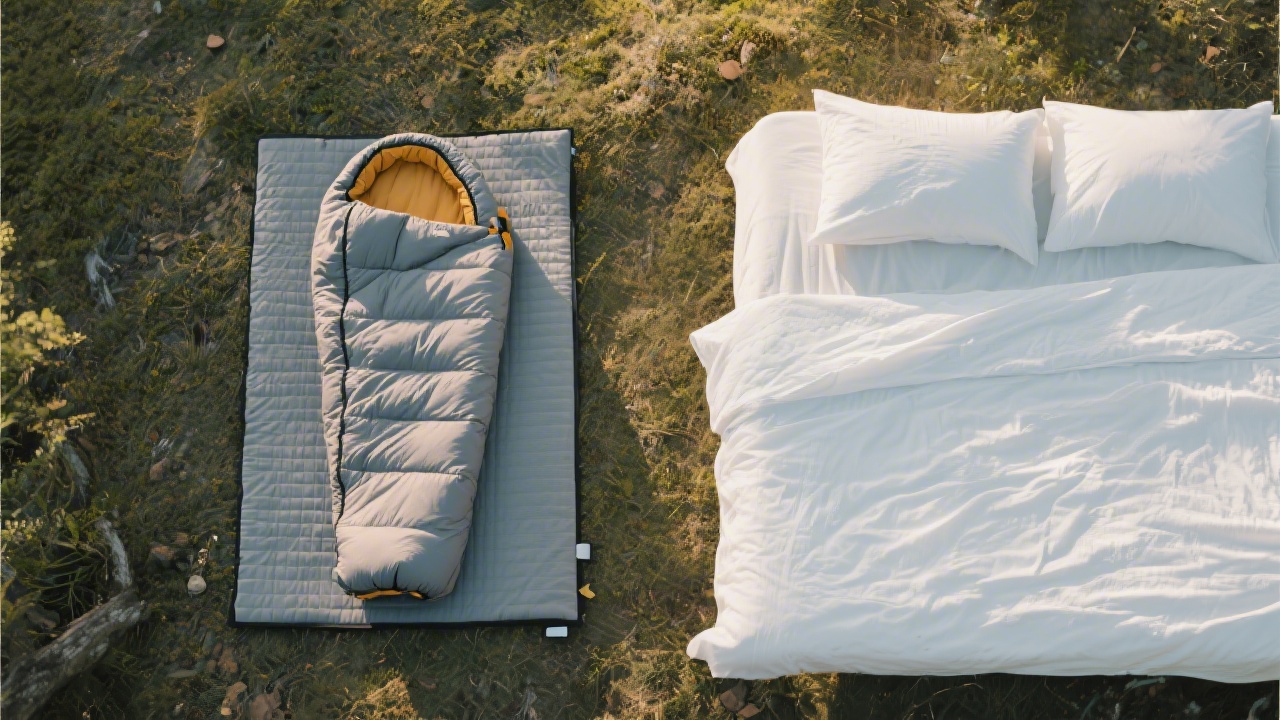
by Sleeping bags and mattresses serve different functions in different contexts. The question of which to use is usually not a real choice for regular sleep, but understanding when each is the right tool matters for camping, emergency prep, and temporary living situations.
Editor's Pick
Saatva Classic Mattress
America's best-reviewed luxury innerspring — white-glove delivery, 365-night trial, lifetime warranty.
For any regular sleep situation, a mattress provides the surface support and comfort that no sleeping bag can replicate.
Affiliate disclosure: We earn a commission at no extra cost to you.
What a Sleeping Bag Actually Does
A sleeping bag is an insulation system. Its job is to trap body heat and create a microclimate around your body that prevents heat loss. The sleeping bag's temperature rating (e.g., 20°F) tells you the lower limit at which a standard sleeper can remain warm, not the ideal use temperature.
A sleeping bag provides almost no cushioning from the surface beneath you. It is not a mattress substitute. For camping, you need both a sleeping bag and a sleeping pad — the sleeping pad provides insulation from the cold ground and the cushioning your joints need.
Pros and Cons
What We Like
- Luxury innerspring with excellent lumbar support
- Multiple firmness options available
- Free white-glove delivery and mattress removal
- 365-night trial and lifetime warranty
What Could Be Better
- Higher price than many online brands
- Heavier than foam mattresses
- Not compressed in a box
- Some off-gassing possible initially
What a Mattress Actually Does
A mattress provides a supportive, cushioned surface that maintains spinal alignment and distributes body weight across pressure points. A good mattress also regulates temperature through its materials, isolates motion from a partner, and provides consistent support across thousands of nights.
Mattresses do not provide insulation against cold. In cold environments, bedding (sheets, comforters, blankets) handles that function.
When a Sleeping Bag Is the Right Choice
- Camping and backpacking — The portability and weight-to-warmth ratio of a sleeping bag is unmatched. No mattress travels this way.
- Emergency preparedness — A sleeping bag in an emergency kit provides warmth regardless of where you need to sleep.
- Guest situations — A sleeping bag on a camping pad or air mattress is a perfectly adequate temporary solution for occasional guests.
- Transition periods — Moving, traveling for extended periods, or waiting for a mattress delivery are situations where a sleeping bag suffices.
When a Sleeping Bag Falls Short for Regular Sleep
For nightly use over weeks or months:
- Spinal support — No sleeping bag provides adequate support for the lumbar curve. Back pain accumulates over time.
- Temperature regulation — Sleeping bags are optimized for one temperature range. A mattress with appropriate bedding adapts to seasonal changes more easily.
- Surface area and position freedom — Sleeping bags constrain movement. Most people change position 10-40 times per night; a sleeping bag resists this.
- Hygiene — Sleeping bags accumulate body oils, skin cells, and moisture. They are harder to clean than mattress bedding.
Transitioning From Temporary Sleep to a Proper Setup
If you've been sleeping in a sleeping bag due to a move, budget constraints, or a temporary situation, the transition to a proper mattress setup makes a measurable difference in sleep quality and daytime energy. See our mattress setup guide for the full process, and our floor sleeping guide if you prefer a firmer sleep surface as you transition.
For those building out a complete bedroom from scratch, our bedroom sleep audit covers all seven variables that affect sleep quality.
Editor's Pick
Saatva Classic Mattress
America's best-reviewed luxury innerspring — white-glove delivery, 365-night trial, lifetime warranty.
Affiliate disclosure: We earn a commission at no extra cost to you.
Frequently Asked Questions
Can you use a sleeping bag as a permanent bed?
For emergency situations or very short periods, yes. For regular nightly sleep, sleeping bags lack the spinal support, temperature regulation, and surface area needed for quality long-term sleep.
How warm is sleeping in a sleeping bag indoors?
Sleeping bag temperature ratings apply to outdoor conditions. Indoors at room temperature, a 20-degree bag will be uncomfortably warm. Most people use a 50+ degree bag for indoor use or simply open the bag as a blanket.
What is the difference between a sleeping bag and a mattress?
A mattress provides surface support for your body. A sleeping bag provides insulation and covers you like a blanket. They serve different functions and are not direct substitutes.
Is sleeping in a sleeping bag on the floor bad for you?
Sleeping bags provide almost no padding from the floor. Long-term use on a hard surface without a sleeping pad creates the same pressure point issues as direct floor sleeping.
When is a sleeping bag better than a mattress?
For camping, backpacking, emergency preparedness, and temporary situations (guests, travel). In these contexts, sleeping bags offer portability and insulation that a mattress cannot match.
The Verdict
Choose Sleeping Bag if: You value what Sleeping Bag offers in construction, materials, and sleep technology.
Choose Mattress if: You prefer Mattress's design philosophy and material choices. Compare pricing and trial periods.
Both serve different sleep needs. Choose based on your body type, sleep position, and comfort preferences.