
 by
by Our Top Mattress Pick
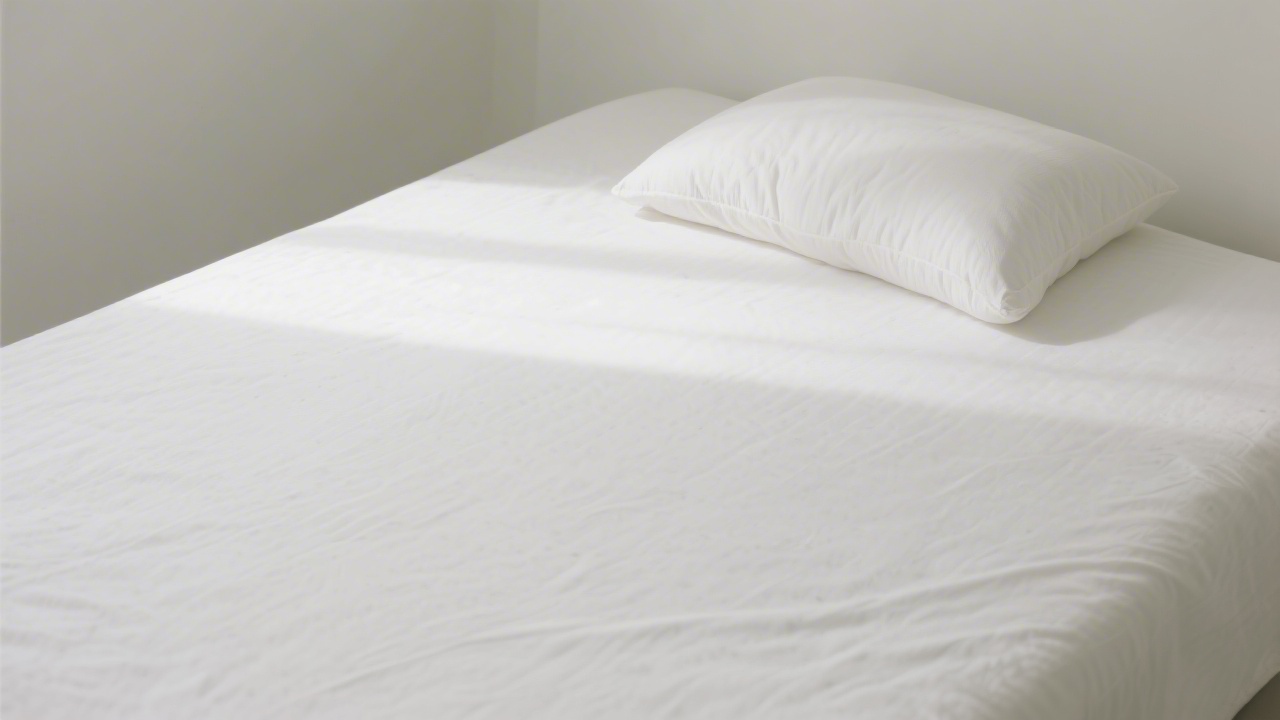
The Saatva Classic uses individually-wrapped coils that promote airflow and pressure relief — a strong foundation for better sleep.
The Mechanical Problem With Prone Sleeping
Sleeping face-down creates two biomechanical problems that are well-documented in the literature. First, the head must rotate 45–90 degrees to one side throughout the night, placing sustained lateral load on the cervical spine — the C4-C6 segment in particular. Second, when the abdomen sinks into the mattress, the lumbar spine hyperextends, reducing its natural lordotic curve and compressing posterior spinal structures.
For people with existing cervical disc disease, lumbar spondylosis, or spinal stenosis, prone sleeping can meaningfully worsen symptoms. This is not a myth — the structural argument is sound.
Why Millions Sleep Prone Without Problems
Prevalence estimates suggest 7–17% of adults are primarily prone sleepers. Many report no neck or back pain attributable to sleep position. Several factors explain this:
- Individual anatomy: Spinal curvature, disc hydration, and soft tissue flexibility vary enormously. A person with a naturally flat lumbar curve may tolerate prone sleeping better than average
- Mattress firmness: A firm mattress limits abdominal sinkage, reducing lumbar hyperextension. This is the single most modifiable variable for prone sleepers
- Pillow height: A thin or no pillow under the head reduces cervical rotation stress significantly. A pillow under the lower abdomen or pelvis reduces lumbar hyperextension
- Habitual adaptation: Some people develop muscular and ligamentous tolerance that doesn't mean the position is optimal, but does mean it isn't causing acute harm for them specifically
Who Prone Sleeping Actually Harms
The risk profile is higher for:
- People with existing cervical or lumbar disc pathology
- People over 50 with age-related spinal changes
- Pregnant women (contraindicated after the first trimester for both position-related and compression reasons)
- People with carpal tunnel syndrome or thoracic outlet syndrome (arm position in prone sleeping often worsens these)
- People who wake with neck pain, headaches, or numbness/tingling — these are signals, not coincidences
How to Manage Prone Sleeping If You Cannot Change Position
Sleep position is largely unconscious and very difficult to change through willpower alone. Practical strategies for people who sleep prone:
- Use the thinnest pillow available, or no pillow at all for the head
- Place a firm pillow under the pelvis (not the stomach) to reduce lumbar hyperextension
- Choose a firmer mattress to minimize abdominal sinkage — the Saatva Classic in Firm provides the support surface that limits this issue
- Try side-sleeping with a body pillow to make the position comfortable enough to maintain through the night
Related: 15 Sleep Myths Debunked | Temperature and Sleep Quality
Our Top Mattress Pick
The Saatva Classic uses individually-wrapped coils that promote airflow and pressure relief — a strong foundation for better sleep.
Frequently Asked Questions
Why does sleeping on my stomach hurt my neck?
Prone sleeping requires turning the head 45-90 degrees to one side for hours at a time, placing sustained lateral load on C4-C6 cervical vertebrae and the surrounding musculature. This can cause stiffness, soreness, and in people with disc pathology, radiating symptoms.
What mattress firmness is best for stomach sleepers?
Stomach sleepers generally do best on medium-firm to firm mattresses. Soft mattresses allow the abdomen to sink, hyperextending the lumbar spine. A firmer surface keeps the spine closer to neutral alignment.
Can I train myself to stop sleeping on my stomach?
Sleep position change is possible but difficult — sleep position is largely unconscious. Using a body pillow along the back can make side sleeping comfortable enough to maintain. Sewing a tennis ball into the back of a sleep shirt is an old (but sometimes effective) behavioral intervention.
Is stomach sleeping dangerous during pregnancy?
Stomach sleeping becomes physically uncomfortable and is contraindicated after the first trimester. Left-side sleeping is recommended in the second and third trimesters to optimize uterine circulation and reduce pressure on the vena cava.
Does a pillow under the stomach help?
A pillow under the lower abdomen/pelvis (not under the stomach) reduces lumbar hyperextension in prone sleepers. This is a meaningful modification — not a solution, but a reduction of mechanical stress.