
 by
by 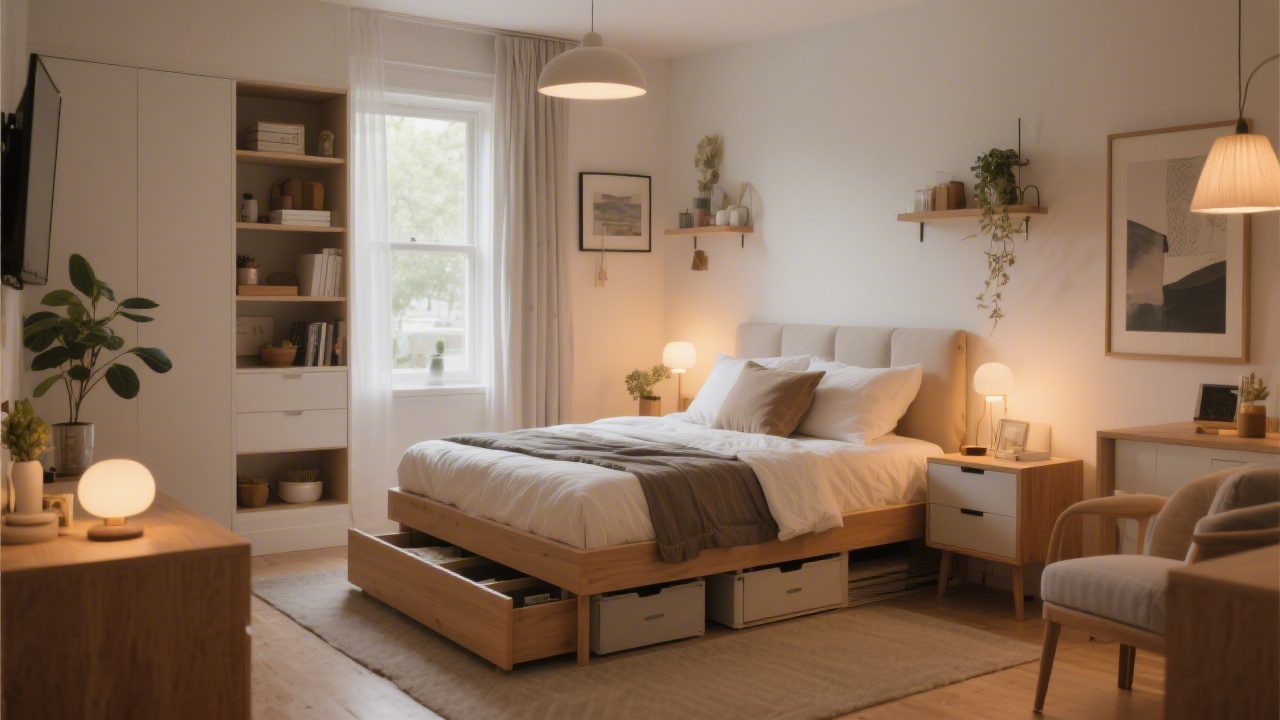
Small bedrooms require more deliberate choices than large ones. The wrong mattress size makes a room feel cramped; the wrong bed frame wastes the only storage opportunity you have; and the wrong mattress height can make low ceilings feel suffocating. Getting these decisions right transforms a tight space into a functional, comfortable bedroom.
Our top pick for this room type
The Saatva Classic is our recommended mattress for this setup — available in three firmness options, backed by a lifetime warranty, and delivered with free white-glove service.
The Full vs. Queen Decision in Small Bedrooms
This is the most consequential small bedroom choice. The difference between a full and queen is 6 inches of width — but the spatial impact in a small room is significant.
- Full (54" x 75"): Works in rooms as small as 9' x 10'. Comfortable for single sleepers. Workable for couples who sleep close together. Standard length (75") is a limitation for people over 5'10".
- Queen (60" x 80"): Requires 10' x 10' minimum, ideally 10' x 12'. The right choice for couples or taller individuals. The extra 5 inches of length matters for tall people.
The rule: always leave at least 24" on each accessible side of the bed for comfortable circulation. Tape out the footprint on your floor before deciding. You'll make a better decision with visual evidence than with measurements on paper.
Storage Bed Frames: The Small Bedroom Standard
Storage beds exist because small bedrooms typically lack closet or dresser space. The under-bed zone (roughly 8-10" of height on a standard platform) is valuable storage if used well:
- Drawer storage beds: 2-4 drawers built into the frame sides. Good for clothing, extra bedding, or seasonal items.
- Hydraulic lift beds: The entire mattress lifts to reveal a large storage cavity. Better capacity, but more expensive and requires space at the foot of the bed to lift.
- Basic platform with bins: Standard platform frames allow under-bed bins or rolling drawers. Less elegant but fully functional.
For storage bed frames, check that the center support is a slatted panel or equivalent — not just side rails. Inadequate center support causes mattress sagging regardless of mattress quality.
How Ceiling Height Affects Mattress Height Choice
In rooms with standard 8-foot ceilings, sleeping height relative to ceiling matters more than people realize. A 14" mattress on a 10" platform frame puts you 24" off the floor — leaving 72" of clearance, which feels fine. The same mattress on a 12" box spring puts you 26" off the floor with 70" clearance — noticeably tighter in a room with 8-foot ceilings, especially if you sit up in bed.
Low-profile mattresses (10-12") on platform frames (6-8" height) provide 16-20" of sleeping height — comfortable for most people and visually lighter in compact spaces. See our Saatva firmness guide for profile heights across their product line. If you're in a basement or lower-ceiling small bedroom, our basement bedroom mattress guide covers height and moisture considerations together. For help understanding how sleep environment affects quality, our sleep optimization guide is worth reading.
Frequently Asked Questions
Should I get a full or queen for a small bedroom?
Measure first. A queen requires a room of at least 10' x 10' to feel comfortable — ideally 10' x 12'. A full works in rooms as small as 9' x 10'. The 6 inches of extra width in a queen matters for couples; for single sleepers, a full is often plenty. Prioritize 24" of circulation space on both sides of the bed — cramped access to a bed makes the room feel smaller than it is.
Does mattress height matter in a small bedroom?
Yes, significantly. Low-profile mattresses (10-12") on low-platform frames keep the visual weight closer to the floor, making small rooms feel more open. Very thick mattresses (14"+) on tall frames can make a small room feel dominated by the bed. Ceiling height also matters — the higher you sleep off the floor, the less vertical clearance remains, which can feel claustrophobic in rooms with 8-foot ceilings.
What bed frames work best in small bedrooms?
Platform beds with integrated storage drawers are the small bedroom standard — they eliminate the need for a separate dresser or take advantage of otherwise dead floor space. Murphy beds are appropriate for truly tiny rooms (under 120 sq ft) where you need the floor space back during the day. Avoid high box spring + frame combinations that eat both floor and ceiling clearance.
Can I use a king mattress in a small bedroom?
A king (76" x 80") requires a room of at least 12' x 10' to be functional — ideally 12' x 12'. In rooms smaller than this, a king dominates the space entirely and leaves inadequate circulation. The California King (72" x 84") is narrower and works better in long, narrow small bedrooms.
Do storage beds reduce mattress support quality?
Not if the frame is well-made. Quality storage beds use either hydraulic lift systems (which provide a full platform of support) or drawer frames with slatted center support. Avoid cheap storage beds with only perimeter support and no center slat — they lead to sagging in 2-3 years regardless of mattress quality.
Ready to upgrade this room?
The Saatva Classic is available in two profiles (11.5" and 14.5") — the standard height works well in small bedrooms, white-glove delivery handles the logistics in tight access situations.